


Top Air Conditioning System Repair Tips from Experienced Air Conditioning Specialists
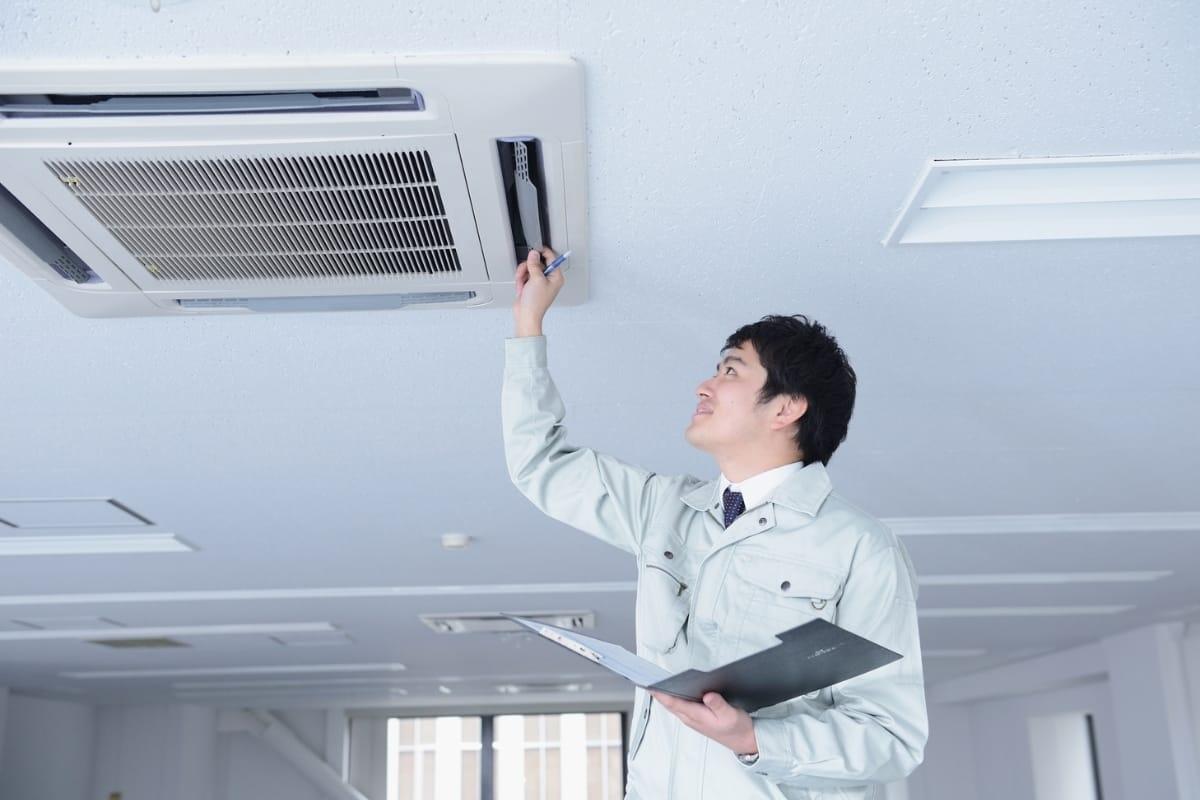
It often starts subtly. A faint hum that seems a bit louder than usual. A room that doesn't feel quite as cool as the thermostat says it should. Then, one sweltering afternoon, it happens: your air conditioner gives up, leaving you with nothing but warm, stagnant air. At that moment, the search for reliable air conditioning system repair begins. While some problems absolutely require a professional, many common issues have simple solutions that can save you time, money, and discomfort.
We’ve gathered insights from seasoned air conditioning specialists to create a practical guide. These are the first steps they wish every homeowner would take before making that service call. Understanding these basics can help you troubleshoot minor problems, maintain your system’s health, and communicate more effectively when you do need professional help.
Before You Call: Three Essential Checks You Can Do Yourself
When your AC fails, panic can set in. But before you dial for help, there are three simple checks that can resolve a surprising number of service calls. These are the equivalent of checking if an appliance is plugged in—basic, but often overlooked.
1. Check Your Thermostat: The Brain of the Operation
This is the most common culprit. It may sound obvious, but always verify the basics first.
-
Power and Settings: Ensure the thermostat has power. If it's a digital model with a blank screen, it may need new batteries. Next, double-check that it's set to "Cool" and not "Heat" or "Off." The fan setting should typically be on "Auto," not "On." When the fan is set to "On," it runs continuously, which can feel like warm air is blowing even when the compressor isn't running.
-
Temperature Differential: Your thermostat won't signal the AC to turn on if the room temperature is at or below the set temperature. Try lowering the setting by 5 degrees to see if the system kicks on. If it does, you've likely identified a system that is struggling to keep up rather than one that has completely failed.
2. Inspect the Air Filter: Your System's Lungs
A clogged air filter is public enemy number one for AC systems. It’s the single most common cause of reduced airflow, frozen coils, and higher energy bills.
-
The Problem: Think of your filter as the system's lungs. When it's clogged with dust, pet dander, and pollen, the entire system has to struggle to breathe. This restricted airflow causes the evaporator coil inside your home to get too cold and freeze over. A block of ice is a very effective insulator, preventing any cool air from reaching your living spaces.
-
The Solution: Locate your filter (usually in the return air grille on a wall or ceiling, or in the blower compartment of your furnace). Hold it up to a light source. If you can't see light passing through, it's time for a replacement. As a general rule, standard 1-inch filters should be checked monthly and replaced every 1-3 months, especially during peak cooling season.
3. Verify Electrical Power: The Simple Reset
Sometimes, the solution is as simple as restoring power.
-
Check the Circuit Breakers: Go to your home's main electrical panel. Find the breakers labeled for the air conditioner (often a double-pole 240-volt breaker) and the indoor air handler/furnace (a single-pole 120-volt breaker). Firmly switch them all the way to the "off" position, and then back to the "on" position. Do not just check them; physically reset them. A breaker can appear to be on but be tripped in a middle position.
-
Check the Outdoor Disconnect Switch: Next to your outdoor condenser unit, there is a shut-off box, usually a small gray metal cabinet. Open it carefully. Inside, you may see a pull-out fuse block or a simple lever switch. Ensure the fuse block is fully inserted or the lever is in the "on" position.
Maintenance Habits That Prevent Costly Repairs
The best repair is the one you never have to make. Proactive maintenance is the key to a long-lasting, efficient air conditioner. These are the habits that experienced air conditioning specialists practice in their own homes.
Keep the Outdoor Unit Clear and Clean
Your outdoor condenser unit needs to exhale heat freely. If it's obstructed, the system can't cool your home efficiently and will be under immense stress.
-
Clear the Area: Maintain at least two feet of clear space around the entire unit. Trim back any shrubs, vines, or weeds. Never store garden tools or children's toys against it.
-
Clean the Fins: The delicate aluminum fins on the unit can become clogged with grass clippings, cottonwood fluff, and leaves. First, turn the power off at the disconnect box. Then, use a garden hose with a gentle spray setting to wash the fins from the inside out (to avoid pushing debris further in). Never use a pressure washer, as it will bend the fins and cause permanent damage.
Ensure Proper Indoor Airflow
Your AC system is designed to work with all your vents open.
-
The Closed Vent Myth: A common misconception is that closing vents in unused rooms saves energy. In reality, it disrupts the system's delicate air pressure balance, reducing overall efficiency and potentially damaging the blower motor. Keep all supply and return vents open and unobstructed by furniture, rugs, or curtains.
Schedule an Annual Professional Tune-Up
While homeowner maintenance is crucial, there are limits to what you can safely do. An annual pre-season tune-up by a certified technician is the most valuable investment you can make in your system's health. A comprehensive tune-up includes:
-
Checking refrigerant levels and inspecting for leaks.
-
Cleaning the indoor evaporator coil and checking the drain line.
-
Testing electrical components for safe operation.
-
Measuring airflow and system performance.
This proactive check-up can catch small issues before they become catastrophic, expensive failures in the peak of summer.
When to Step Back and Call a Professional
Knowing your limits is a sign of a smart homeowner. Electrical components, high-pressure refrigerant lines, and intricate machinery require specialized training and tools. Call a professional immediately if you notice any of the following:
-
Strange Sounds: Screeching or grinding noises often point to a failing motor. Banging or clanking could indicate a broken component inside the compressor.
-
Water Leaks: A small amount of condensation is normal. But significant pooling water around the indoor unit, or worse, refrigerant leaks (which may appear as an oily residue), require immediate professional attention.
-
Frequent Cycling: If your system is constantly turning on and off every few minutes (short-cycling), it's under severe stress and needs diagnosis.
-
Warm Air or Weak Airflow: If you've checked the filter and thermostat and warm air is still blowing from your vents, the problem could be a refrigerant issue or a compressor failure.
-
Foul Odors: A musty smell usually indicates mold in the ductwork or drain pan, while a burning smell could point to an electrical problem.
Attempting a complex repair yourself can be dangerous and may void your system's warranty. It often leads to more damage and a higher final repair bill.
Partnering with Your Specialist for a Long-Lasting System
When you do need to make that call, being an informed homeowner pays dividends. You can describe the problem clearly: "The system is running but blowing warm air, and I've already checked the filter, thermostat, and breakers." This helps the technician come prepared.
A trustworthy specialist will appreciate your diligence. They will focus on diagnosing the root cause, not just the symptom, and provide you with clear, upfront options. They see their role not just as fixing a machine, but as ensuring your home's comfort and your family's well-being.
By combining these simple DIY checks with a commitment to preventative maintenance, you become a partner in your system's health. You'll enjoy lower energy bills, fewer unexpected breakdowns, and the peace of mind that comes from a cool, comfortable home. This collaborative approach, where you handle the basics and rely on expert air conditioning specialists for the rest, is the most effective long-term strategy for managing your home's air conditioning system repair needs.

 English
 French
 Spanish
 Portuguese
 Deutsch
 Turkish
 Dutch
Dutch
 Italiano
 Russian
 Romaian
 Portuguese (Brazil)
 Greek
Greek