


Different Types of Die Cutting Machines Explained
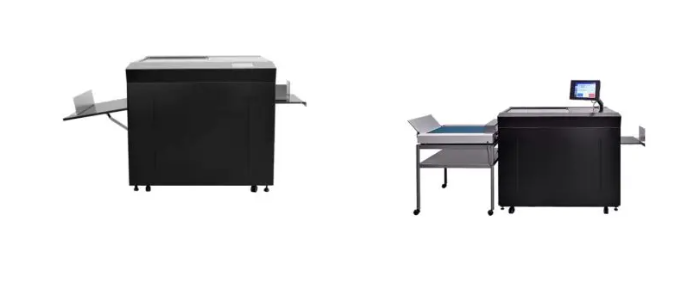
Die cutting is an essential process used across industries—from packaging and printing to crafting and manufacturing. Whether you’re cutting paper, vinyl, fabric, leather, foam, or metal sheets, a die cutting machine helps you shape materials with precision and efficiency. However, not all die cutting machines are the same. Each type is designed for a specific level of production, material thickness, accuracy, and workflow.
This guide breaks down the different types of die cutting machines, how they work, and where each type is most commonly used. If you're choosing a machine for your business or hobby, these insights will help you make the right decision.
1. Manual Die Cutting Machines
Manual die cutting machines are operated by hand, typically using a crank system. They’re popular among hobbyists, small craft businesses, and DIY creators.
How They Work
A die and material are placed between plates, then passed through the machine using a hand crank. Pressure from the rollers cuts the material according to the die’s shape.
Best For
-
Scrapbooking
-
Cardmaking
-
Home crafts
-
Small batch production
Pros
-
Affordable
-
Portable and easy to set up
-
No electricity required
Cons
-
Limited cutting power
-
Not suitable for large-scale production
2. Electric Die Cutting Machines
Electric die cutters automate the pressure and rolling process, making cutting faster and easier. These machines are ideal for small businesses and creators who want more convenience and speed.
How They Work
Instead of cranking manually, the machine runs the plates through automatically with consistent pressure.
Best For
-
Small craft studios
-
Personalized gifts or product shops
-
Medium-volume production
Pros
-
Faster and easier than manual machines
-
Consistent cutting pressure
-
Suitable for various materials
Cons
-
Requires power
-
More expensive than manual options
3. Digital Die Cutting Machines
Digital die cutters use software-based designs instead of physical dies. They are among the most popular types today due to their versatility.
How They Work
A connected app or software allows users to upload or create designs. The machine reads the digital file and cuts materials using a blade or laser.
Best For
-
Custom projects
-
On-demand personalization
-
Small businesses selling custom products
Pros
-
No need for metal dies
-
Unlimited design possibilities
-
Great for personalization and prototyping
Cons
-
Requires software knowledge
-
Blades may need replacement depending on usage
4. Rotary Die Cutting Machines
Rotary die cutting machines are widely used in industrial settings where speed, precision, and continuous processing are essential.
How They Work
A cylindrical die rotates while materials pass through, slicing them continuously. This method is extremely fast and suitable for high-volume production.
Best For
-
Packaging
-
Label production
-
Industrial-level crafting
-
Medical and automotive components
Pros
-
Ideal for mass production
-
High accuracy and speed
-
Handles wide material types
Cons
-
Expensive
-
Requires technical expertise
5. Flatbed Die Cutting Machines
Flatbed die cutters use a flat surface and a die to press down onto the material. They are known for handling thicker materials and producing precise cuts.
How They Work
A flat die presses down onto the material, applying significant force to cut even dense or layered materials.
Best For
-
Corrugated packaging
-
Thick materials like foam, leather, or rubber
-
Structural and industrial components
Pros
-
Excellent for heavy-duty cutting
-
Handles thick and rigid materials
-
Accurate and consistent results
Cons
-
Slower than rotary systems
-
Requires heavy equipment
6. Laser Die Cutting Machines
Laser die cutters remove the need for physical dies altogether, using a focused laser beam to cut or engrave materials.
How They Work
A high-energy laser beam melts, burns, or vaporizes material along a digital path, producing extremely precise cuts.
Best For
-
Intricate and delicate designs
-
Detailed packaging prototypes
-
Fabrics, acrylic, wood, and thin metals
Pros
-
Extreme precision and detail
-
No die-making costs
-
Excellent for custom or short-run production
Cons
-
Slower for thick materials
-
More expensive machine setup
7. Punch Press Die Cutting Machines
Punch press die cutters deliver high-pressure cuts using a mechanical or hydraulic press. These machines are ideal for manufacturing settings requiring durable, consistent cuts.
How They Work
Material is placed between the die and press. When pressure is applied, the die cleanly punches out the shape.
Best For
-
Automotive parts
-
Industrial gaskets
-
Heavy-duty materials
Pros
-
High cutting power
-
Can handle thick and dense materials
-
Suitable for long production runs
Cons
-
Requires safety precautions
-
High upfront investment
Which Die Cutting Machine Should You Choose?
The right die cutting machine depends on your goals:
-
For beginners or hobbyists: Manual or electric die cutters
-
For custom design businesses: Digital or laser die cutters
-
For packaging and large-scale production: Rotary or flatbed systems
-
For industrial applications: Punch press and rotary die cutters
Understanding each type ensures you can choose the machine that matches your workflow, materials, and production needs.

 English
 Arabic
 French
 Spanish
 Portuguese
 Turkish
 Dutch
Dutch
 Italiano
 Russian
 Romaian
 Portuguese (Brazil)
 Greek
Greek