


Brake Pump Engineering for Driver Safety
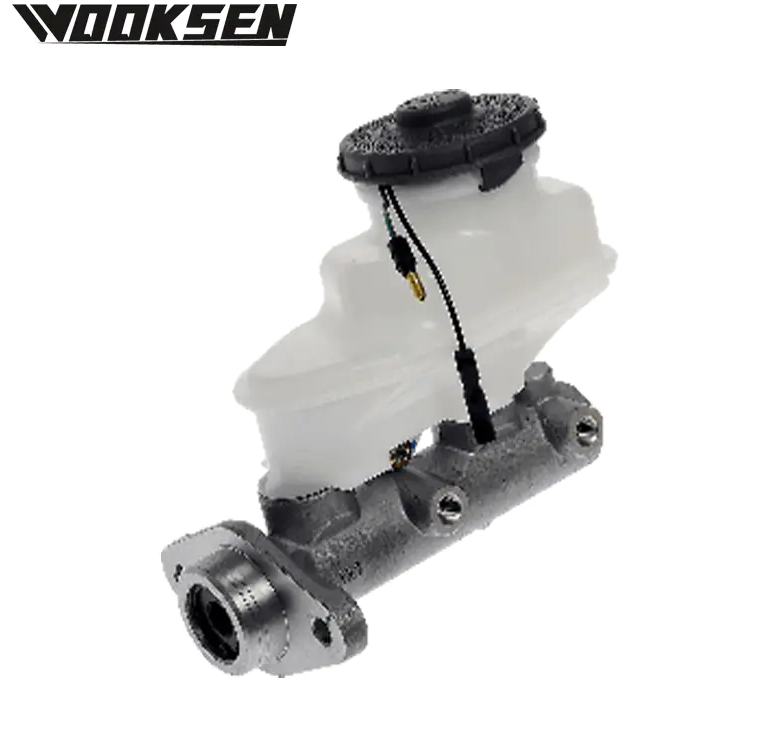
The brake pump is an essential part of the braking system, enabling hydraulic pressure transfer that helps a vehicle slow down smoothly. It interacts with the master cylinder, brake lines, and calipers, forming a network that responds instantly to pedal movement. Without a properly functioning brake pump, a driver may experience inconsistent pedal feel or delayed brake engagement, both of which can compromise overall control.
Modern brake pump design focuses on fluid dynamics and pressure distribution. Engineers shape internal chambers to reduce turbulence and maintain a steady flow of hydraulic fluid. This reduces the chance of pressure loss, especially during sudden braking where rapid fluid movement is required. The internal pistons must travel with minimal resistance, supported by seals that keep air and contaminants from entering the system.
Durability is one of the defining characteristics of a dependable brake pump. Constant exposure to heat generated by braking events requires materials that can resist warping or expansion. Certain metal alloys provide sufficient hardness to endure repeated pressure cycles, while engineered rubber components maintain elasticity over long periods. These materials help the pump retain integrity even during extended braking on steep hills or under heavy vehicle loads.
Environmental conditions also influence brake pump performance. Regions with extreme humidity or frequent rainfall can accelerate corrosion in untreated metal components, which may hinder fluid flow or cause surface pitting. To address this, many pumps feature protective coatings or structured drainage pathways that remove moisture from vulnerable areas. Drivers in cold climates benefit from pumps designed to handle low-temperature fluid thickening, ensuring consistent response during winter driving.
Brake pump efficiency also plays a role in energy management within the vehicle. Stable hydraulic performance reduces the effort required to apply the brakes, creating a more comfortable pedal feel for the driver. This is particularly noticeable in stop-and-go traffic where continuous braking occurs. Smooth pedal feedback allows drivers to judge distance more accurately and maintain control in tight environments.
Maintenance remains essential for sustaining brake pump function. Brake fluid must be changed periodically because it absorbs moisture, which can cause internal corrosion and lower the boiling point of the fluid. Drivers should watch for signs such as soft pedal action, fluid discoloration, or unusual noises when braking. Addressing these symptoms early helps avoid more complicated repairs.
The brake pump remains a central element that supports both safety and driving comfort. Its role in controlling hydraulic pressure makes it a vital component that affects every braking maneuver, contributing to a more secure driving experience across varied conditions.

 English
 Arabic
 French
 Spanish
 Deutsch
 Turkish
 Dutch
Dutch
 Italiano
 Russian
 Romaian
 Portuguese (Brazil)
 Greek
Greek