


How Real-Time Data Is Changing the Way Logistics Gets Managed
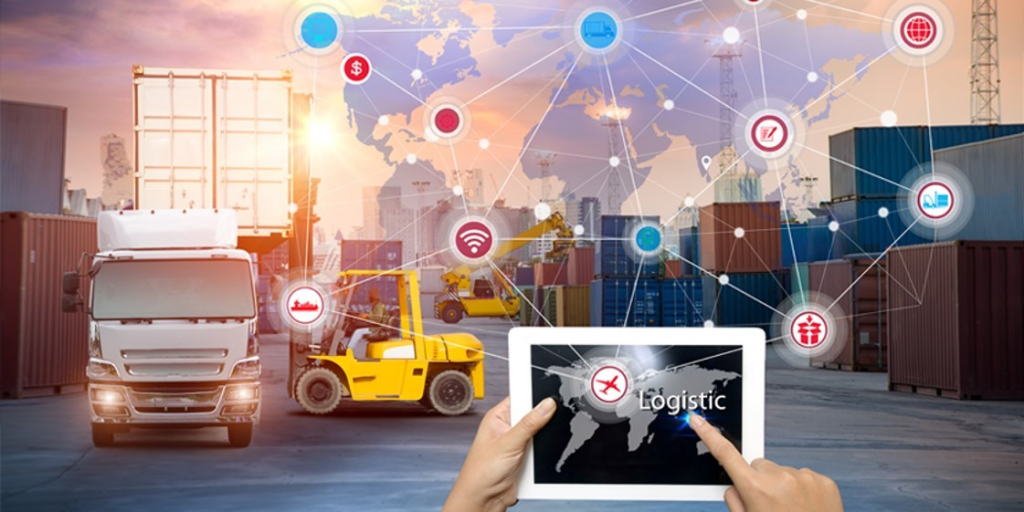
In today’s fast-moving economy, logistics is no longer just about moving goods from one location to another. It has become a sophisticated, technology-driven ecosystem built on precision, visibility, and speed. Businesses across all industries now depend on seamless logistics to stay competitive, meet customer expectations, and operate efficiently.
In this new landscape, real-time data has emerged as one of the most transformative forces. It is reshaping the way logistics teams plan, track, coordinate, and improve their operations. From warehousing and inventory management to transportation and delivery, the ability to access accurate, up-to-the-minute information is redefining what’s possible.
As real-time data becomes more widespread, both global organisations and small businesses are discovering its immense value—and the logistics industry as a whole is experiencing a major evolution.
Real-Time Data: The New Backbone of Modern Logistics
The logistics industry has always dealt with complex networks of suppliers, carriers, warehouses, documents, and delivery timelines. Without proper visibility, delays and disruptions were common. Real-time data changes this entirely.
With today’s advanced systems, logistics teams can instantly see where a shipment is, how long it will take to arrive, which routes are congested, what inventory levels look like, and whether an unexpected issue needs immediate attention.
By offering transparency, speed, and actionable insights, real-time data enables logistics providers to work smarter—not harder.
Why Real-Time Data Is So Important
The importance of real-time data can be felt across every stage of the logistics chain. Some of the biggest benefits include:
Faster Decision-Making
With access to live information, logistics managers can make decisions instantly rather than relying on outdated reports or estimates. This reduces delays and ensures problems are handled before they escalate.
Improved Customer Experience
Customers today expect accuracy and reliability. Real-time data allows businesses to provide live tracking updates, precise delivery estimates, and immediate communication about delays or changes.
Reduced Operational Costs
Real-time monitoring allows companies to reduce fuel usage, avoid inefficient routes, prevent overstocking, and minimise errors—all of which save money.
Increased Visibility Across the Supply Chain
Visibility is critical in logistics. Real-time data makes it possible to track everything from inventory levels to driver performance, reducing risks and improving coordination between teams.
The Role of Technology in Enabling Real-Time Insights
Technological advancements are the engine behind the real-time data revolution. Several tools and solutions have become essential to modern logistics management:
GPS and Telematics
GPS systems provide live tracking for vehicles, allowing logistics teams to follow routes, monitor speed, check driving behaviour, and optimise arrival times.
IoT (Internet of Things) Devices
Sensors placed on pallets, containers, packages, and equipment send continuous data about temperature, humidity, movement, and location. These are vital for sensitive goods such as pharmaceuticals, food, and electronics.
Cloud-Based Software
Cloud platforms allow logistics teams to access data anytime, anywhere. This greatly improves communication between suppliers, carriers, and customers.
Automation and AI
Automation simplifies repetitive tasks while artificial intelligence analyses data to predict demand, optimise routes, and prevent disruptions before they occur.
Mobile Applications
Mobile apps give drivers, warehouse staff, and managers the tools they need to stay updated in real time, improving overall coordination.
Real-Time Data in Action: Transforming Every Step of Logistics
Real-time data doesn’t improve just one part of the supply chain—it enhances every component, working together to create a more efficient system.
1. Inventory Management
Keeping track of inventory has always been a major challenge. With real-time data, warehouses can now monitor stock levels instantly and automatically trigger reordering when supplies run low. This reduces both shortages and overstocking.
2. Warehouse Operations
Live data helps warehouse teams improve workflow, manage labour more effectively, reduce congestion, and even automate packing or picking processes.
3. Transportation and Routing
Perhaps the most noticeable impact of real-time data is in transportation. Live GPS and route optimisation tools identify traffic jams, road closures, and delays—then automatically create better routes to maintain fast delivery times.
4. Risk Management
Real-time alerts allow logistics teams to respond immediately to potential problems like weather disruptions, equipment malfunctions, or unexpected delays, reducing overall risk.
5. Delivery Accuracy
With live tracking and smart notifications, companies can provide more precise delivery windows and ensure drivers stay on schedule.
Real-Time Data and 3PL Providers
As logistics becomes more complex, many businesses are turning to third-party logistics (3PL) providers. These companies specialise in delivering streamlined, end-to-end logistics solutions supported by advanced technology.
Working with a 3PL Logistics Company gives businesses access to real-time tracking systems, transport analytics, and expert support without needing to build these capabilities in-house. This partnership helps companies stay agile, efficient, and competitive.
Real-Time Data Enhances Collaboration Across the Entire Supply Chain
Logistics is not a one-person job. It involves many moving parts—and real-time data helps each part work together smoothly.
Suppliers can share shipment updates instantly.
Warehouses can adjust receiving schedules on the fly.
Carriers can re-route vehicles to avoid delays.
Retailers can adjust their inventory forecasts.
Customers can track deliveries from start to finish.
Real-time data creates a network of communication that removes guesswork and increases reliability for everyone involved.
Predictive Analytics: Planning for the Future
One of the most powerful aspects of real-time data is its ability to support predictive analytics. This means that by analysing current and historical data, systems can predict:
-
future demand
-
potential bottlenecks
-
upcoming shortages
-
optimal delivery times
-
equipment maintenance needs
Predictive analytics empowers logistics professionals to plan ahead instead of simply reacting to issues. This proactive approach improves efficiency and creates smoother operations long-term.
How Real-Time Data Helps Reduce Environmental Impact
Logistics has a significant environmental footprint. Real-time data helps companies reduce this impact by:
-
identifying fuel-efficient routes
-
minimising vehicle idling
-
preventing wasted trips
-
improving delivery consolidation
-
reducing warehouse energy use
With sustainability becoming a priority for many organisations, real-time insights support greener, smarter logistics.
Real-Time Data Creates More Trust and Transparency
Trust is incredibly important in logistics. Clients want to know exactly where their goods are, how long they will take to arrive, and whether any delays should be expected.
Real-time data enhances trust by providing transparency. Instead of waiting for updates or relying on vague timelines, customers can monitor their shipments in real time. This creates a more positive customer experience and stronger long-term relationships.
Benefits for Businesses of All Sizes
Whether it’s a global brand or a start-up, every business benefits from the accuracy and reliability that real-time data provides. It levels the playing field by giving companies the tools they need to compete, regardless of size.
Small businesses can improve delivery reliability, while large enterprises can manage high-volume logistics more effectively. This flexibility is one of the reasons that many organisations partner with advanced logistics providers such as 3PL California to improve their supply chain efficiency.
The Future of Logistics Is Built on Real-Time Data
As technology continues to advance, real-time data will become even more integrated into logistics operations. Some future developments may include:
-
Fully automated warehouses
-
AI-powered supply chain management
-
Predictive route planning
-
More advanced IoT tracking sensors
-
Drone deliveries
-
Autonomous vehicles
Each innovation will rely heavily on live data to function safely and effectively.
Real-Time Data Is Not Just a Trend—It’s the New Standard
Real-time data has fundamentally changed how logistics is managed. It improves visibility, accuracy, efficiency, and customer satisfaction. It gives businesses the tools to adapt quickly, reduce operational costs, and deliver exceptional service.
In a world where speed and reliability matter more than ever, real-time data has moved from a luxury to a necessity. The companies that embrace this shift will be better prepared for the challenges and opportunities of the modern supply chain.

 English
 Arabic
 French
 Spanish
 Portuguese
 Turkish
 Dutch
Dutch
 Italiano
 Russian
 Romaian
 Portuguese (Brazil)
 Greek
Greek