


Revitalize Your Greens: Insider Tricks to Keep Produce Fresh for Weeks
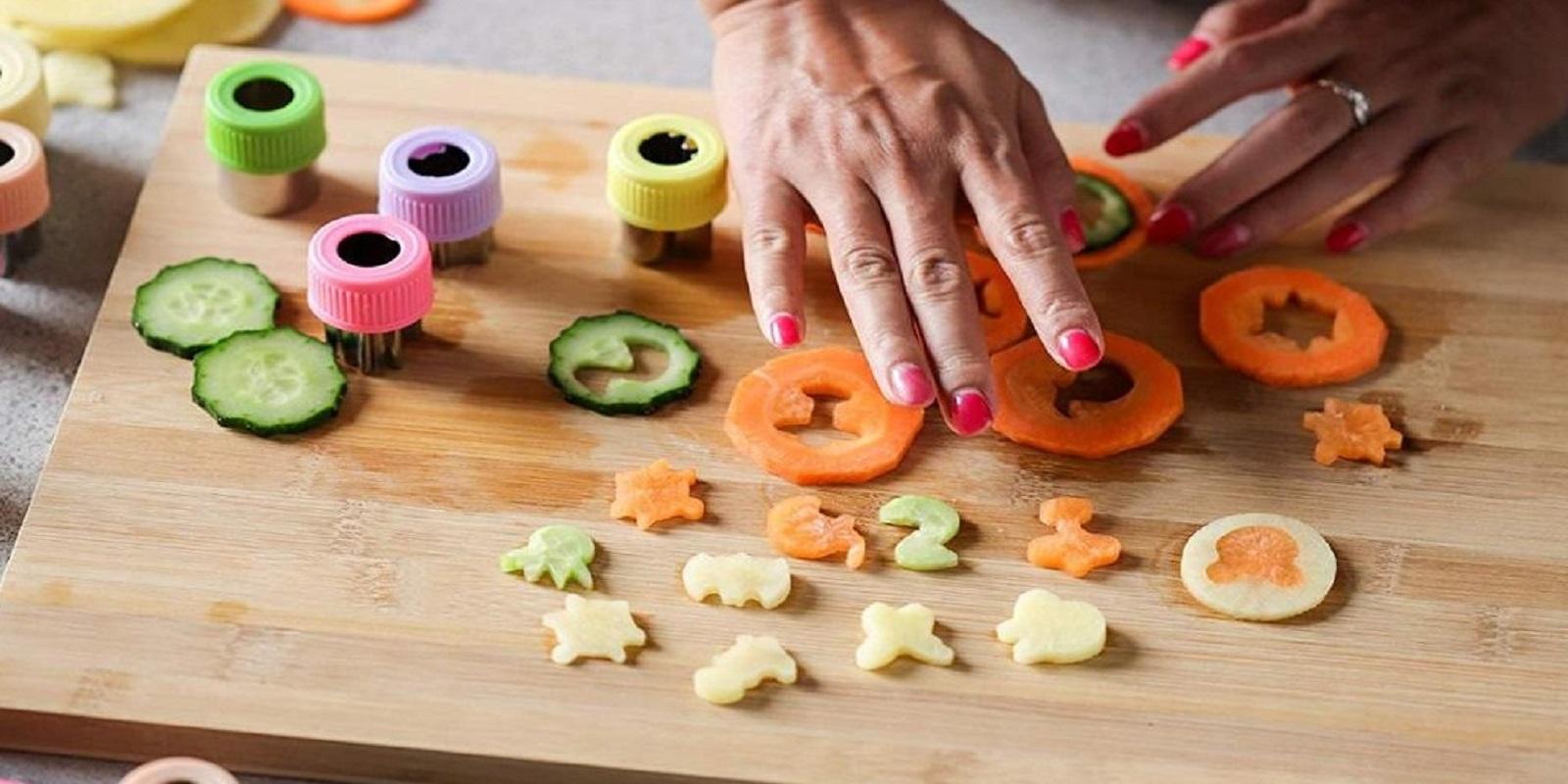
From crisp leafy greens to plump tomatoes, fresh produce can wilt faster than we’d like. But with a few simple habits and clever storage tweaks, you can stretch the life of fruits and vegetables far beyond the usual week. Ready to transform your fridge into a fortress of freshness?
1. Start with Quality
Beats sourcing the best. Look for firm, unbruised items at your market—ripeness matters. Buying locally can mean less time in transit, so your spinach arrives vibrant rather than tired. Plus, seasonal picks often pack more flavor and nutrients.
2. Clean—but Don’t Overwash
Dirt and bacteria shorten shelf life, but excess moisture invites mold. Gently brush off soil or give produce a quick rinse under cool water. For berries, skip prewashing; place them in breathable containers lined with a paper towel. Pat them dry only when you’re ready to snack.
3. Embrace the Right Containers
Airflow is key. Store mushrooms in a paper bag, not plastic, to avoid sogginess. Keep greens in perforated bags or reusable mesh produce bags. Hardier veggies—like carrots or celery—thrive in airtight containers filled with just enough water to cover the base. Change that water every few days for peak crispness.
4. Zone Your Fridge
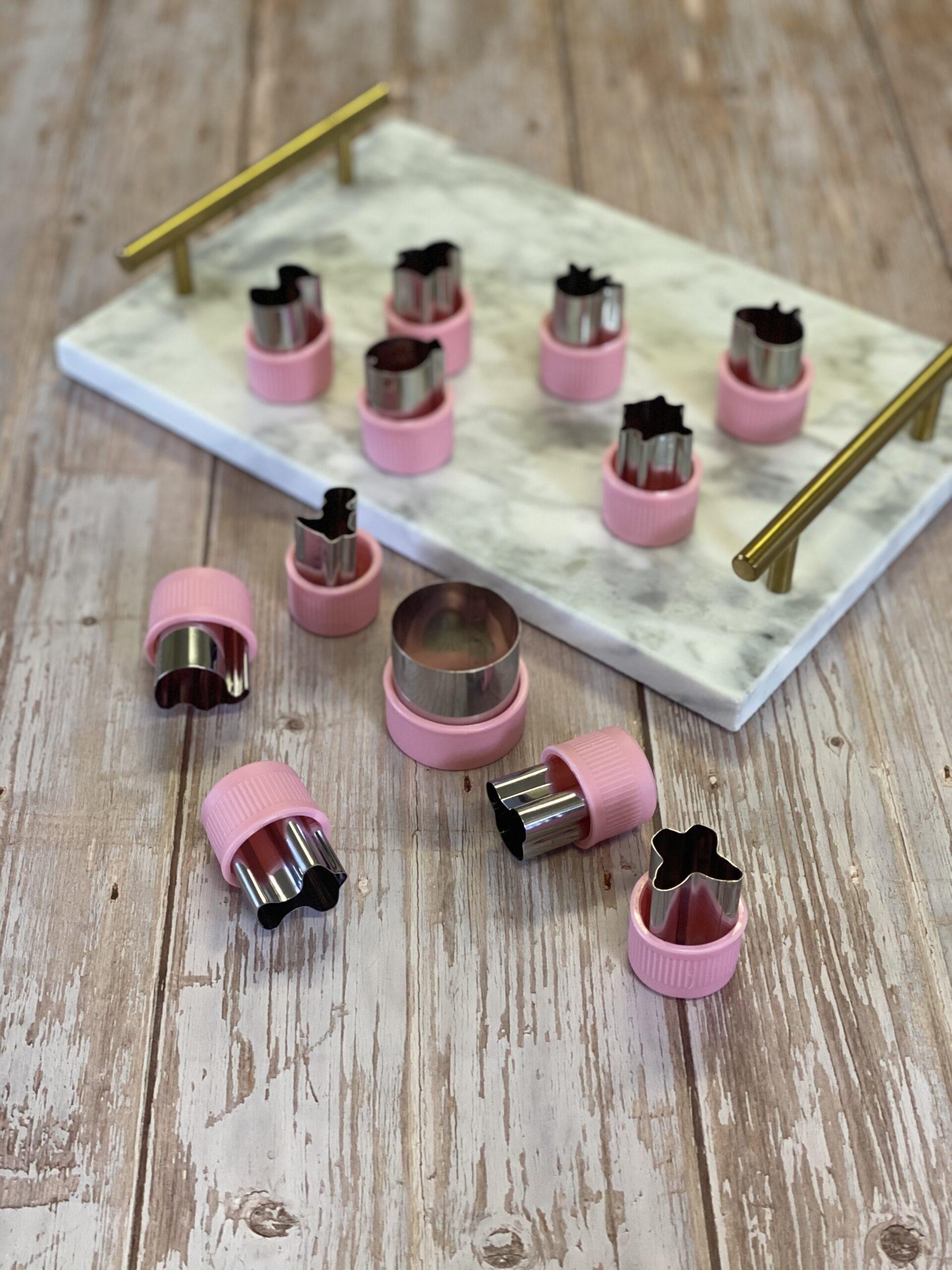
Cold isn’t one-size-fits-all. Most produce lasts longest in the crisper drawer, which helps maintain optimal humidity levels. But keep tomatoes, bananas, and avocados on the counter; they’ll ripen more evenly and develop flavor. If you’re chopping using a fruit and vegetable cutter ahead for a stir-fry or salad, wrap bits of onion, pepper, and zucchini in a clean towel and stash them in the crisper.
5. The Power of Paper Towels
Paper towels are your unsung heroes—absorbing moisture before it invites rot. Layer a towel beneath lettuce or herbs in a container, then add another on top. Replace when it gets damp. This simple trick can double the lifespan of delicate greens.
6. Freeze for Longevity
When life gets busy and produce starts to sag, reach for your vegetable cutter—slice, dice, and freeze. Prepped peppers, onions, and spinach can leap from freezer to skillet without losing much texture. Just label your bags with dates and use within three months for the best taste.
7. Leverage Natural Ethylene Control
Some fruits—apples, pears, and bananas—release ethylene gas, speeding ripening in nearby veggies. Keep ethylene producers separate in a designated spot. Wrapping avocados in foil slows gas release too, helping them stay ready for toasts and salads on your schedule.
8. Rotate and Inspect Weekly
A quick check every seven days stops bad apples from spoiling the bunch. Remove any items showing spots or limpness. This small habit keeps diseases from spreading and reminds you to use produce before it’s past its prime.
9. Consider Herb Preservation
Fresh herbs fly off the tongue but droop in the drawer. Treat them like flowers: trim stems, stand them upright in a jar of water, and cover loosely with a plastic bag. Refrigerate basil on the counter instead—cold can turn it black.
With just these few mindful steps—choosing wisely, controlling moisture, and using simple DIY storage—you’ll make every carrot crunch and every grape pop with freshness. Who knew your kitchen held the secret to weeks of delightful produce?

 English
 Arabic
 French
 Spanish
 Portuguese
 Deutsch
 Turkish
 Dutch
Dutch
 Italiano
 Russian
 Portuguese (Brazil)
 Greek
Greek