


Materials in Nail Polish
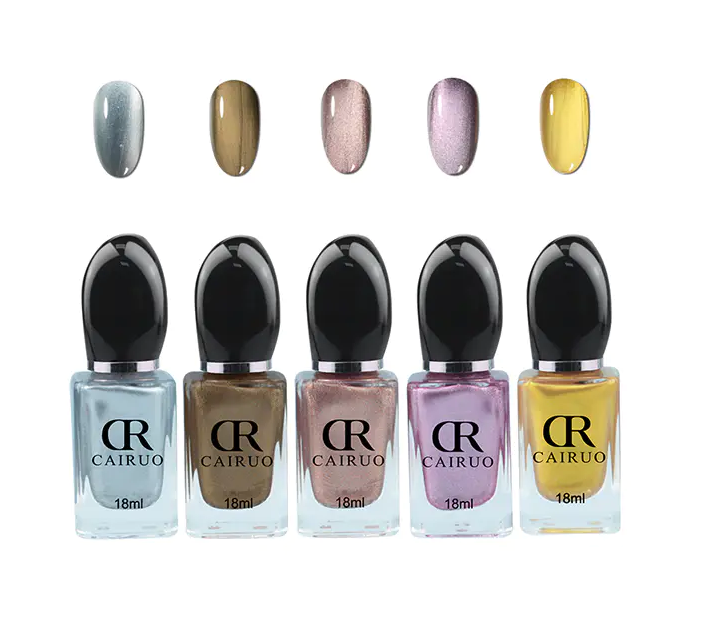
Nail polish is a highly popular cosmetic product used for coloring, decorating, and protecting the nails. The manufacturing and formulation of nail polish require careful attention to raw materials, blending techniques, and quality control processes.
The production process begins with selecting the right materials. The primary ingredients in nail polish include resins, solvents, pigments, and plasticizers. Resins such as nitrocellulose provide the film-forming capabilities that allow the polish to adhere to nails. Solvents like ethyl acetate and butyl acetate are used to dissolve and dilute the resins, ensuring smooth application. Pigments provide color, which can range from subtle nude shades to vibrant, neon tones. Plasticizers are added to improve the flexibility of the dried polish and reduce the likelihood of cracking.
Once the materials are chosen, the formulation process begins. The resin and solvent mixture is combined, and pigments are carefully introduced to achieve the desired color. High-shear mixing machines are employed to ensure that the pigments are evenly dispersed throughout the mixture, creating a smooth, homogeneous consistency. This is a critical step, as uneven pigment distribution can lead to streaking or clumping in the final product.
In addition to pigments, manufacturers may add various additives to improve performance. For instance, stabilizers ensure that the polish remains consistent and does not separate or form clumps over time. UV stabilizers may also be included to prevent the polish from fading when exposed to sunlight. Ingredients like quick-drying agents and thickening agents help improve the drying time and viscosity of the polish.
After the formulation is complete, the next step is quality control. The viscosity of the polish is tested to ensure that it flows smoothly from the bottle and is easy to apply. The color and finish are also checked for consistency, ensuring that each batch meets the specified standards. If any inconsistencies are found, the formula is adjusted before moving on to the packaging stage.
Once quality control is passed, the polish is filled into bottles and sealed. Automated bottling lines are often used for efficiency and hygiene, ensuring precise filling and capping of each bottle. Packaging is also an essential part of nail polish manufacturing, as the bottles need to be sealed properly to prevent contamination and evaporation of volatile solvents.
In conclusion, nail polish manufacturing is a delicate process that requires expertise in both chemistry and production techniques. From the careful selection of raw materials to the final quality control checks, each step plays an important role in ensuring that the finished product is effective, durable, and visually appealing.

 English
 Arabic
 French
 Spanish
 Portuguese
 Turkish
 Dutch
Dutch
 Italiano
 Russian
 Romaian
 Portuguese (Brazil)
 Greek
Greek