


10 Things to Know About Insulin Regular Human Solution Usage
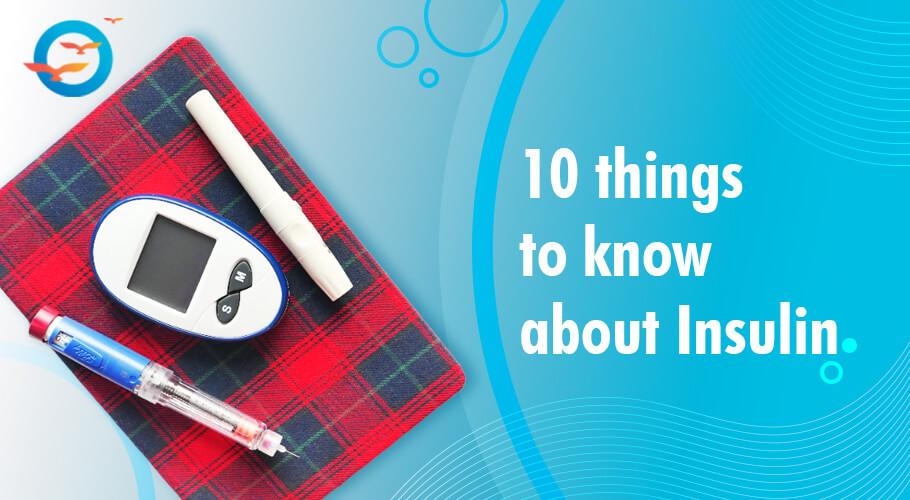
Insulin is a hormone made in your pancreas. Its primary function is to transfer glucose from your bloodstream into your body’s cells, where the glucose is converted into energy. Sometimes, the body is unable to produce sufficient insulin or becomes resistant to its own insulin.
This leads to glucose accumulating in the bloodstream, which in time leads to diabetes. Insulin Regular human is used in conjunction with a healthy diet and exercise to normalize blood sugar levels in patients with Type 1 or Type 2 Diabetes.
It is a short-acting, artificial insulin that is similar to the insulin made in your pancreas. It has the same response to glucose and is used to control BSL and prevent diabetes complications. There is little doubt that insulin is a lifesaver for millions of diabetics worldwide. But, like all prescription drugs, it should be used with care to avoid potentially life-threatening situations.
Here are 10 things every user ought to know about insulin regular human injection usage.
1. Get familiar with preparations, usage, and storage
Always read all the information provided along with the medication. If there is any doubt, always get it cleared by your doctor or pharmacist before using the formulation. Do not change brands of insulin unless advised by your doctor. Do not mix different types of insulin, unless prescribed by the doctor. If this has been prescribed to you, ensure you are well informed about the proper way to mix and inject the mixture.
Insulin must be stored as directed. Exposure to heat or light can damage the solution. So, ensure you keep the medicine in a cool, dark place. If there are other insulin users in the home, make arrangements to store the insulin separately so they don’t get mixed up. Do not freeze insulin. And above all do not use it past its expiry date.
2. Administer only as directed
This medication must not be given in an insulin pump. It must be injected under the skin about half an hour prior to meals. Any delay in having the meal can lead to low blood sugar.
If injecting Insulin regularly into a vein, it should only be done by a doctor or healthcare professional, as there is a risk of very low blood sugar if proper precautions are not taken.
Browse full blog-
Contact us :-
Mob : +91-7776077760
Email-Id : info@freedomfromdiabetes.org
Also connect with us on our website , Facebook page, and youtube

 Arabic
 French
 Spanish
 Portuguese
 Deutsch
 Turkish
 Dutch
Dutch
 Italiano
 Russian
 Romaian
 Portuguese (Brazil)
 Greek
Greek