


RPA vs Traditional Automation: Differences You Must Know
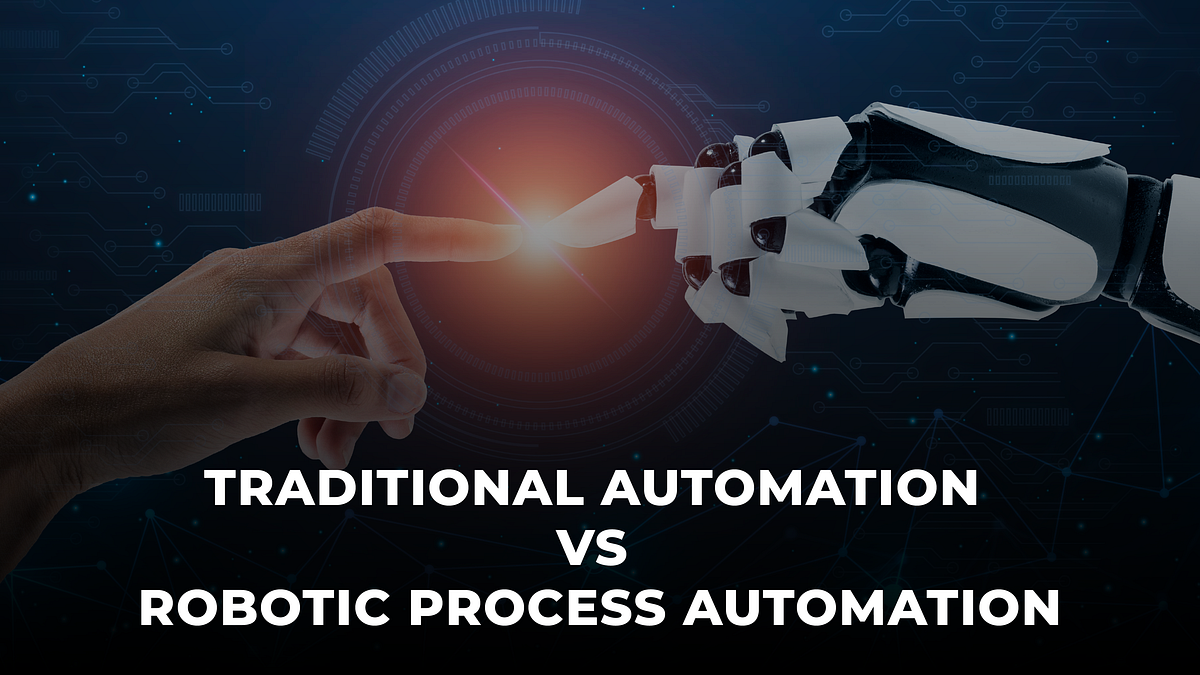
There’s mounting pressure on modern businesses. You see, they need to reduce costs while ensuring all their operations are streamlined. They need to eliminate all those manual tasks that consume time. That’s why they require some “automation solutions” to achieve this milestone. This is where two automation technologies become the talk of the town. We’re talking about “Robotic Process Automation” and “traditional automation”. Each of these two provides businesses with distinct ways to automate different processes.
The main objective of implementing both can be the same. It’s all about “reducing manual effort” and “improving efficiency”. But there’s a fundamental difference in these approaches. You require custom coding and API development for deep integration of traditional automation. This means significant IT resources and lengthy development cycles. Robotic process automation, however, isn’t that complex. It works at the user interface level. It mimics human interactions with software applications. There’s no need for extensive system modifications or backend integrations for this purpose.
This guideline will focus on the differences between robotic process automation and traditional automation.
Key Differences Between RPA and Traditional Automation
“Technical implementation” isn’t the only thing where these two automation strategies part ways. When it comes to the differences between RPA and traditional automation, you’re essentially talking about multiple factors. From cost to scalability and maintenance requirements, there are so many distinctions. You can look at the “upfront investment” to have a clear picture. You literally have to break the bank to go for traditional automation. It, however, isn’t the same with robotic process automation. A similar scenario exists with deployment. You will definitely have to wait longer for traditional automation. RPA can be deployed quickly.
Below, you’ll find the major differences between these two automation approaches:
⦁ How Robotic Process Automation Works?
There are “software robots” or “bots” behind the working principle of robotic process automation. These basically copy those actions that a human would take on a computer. You can say that these bots do all those boring tasks that take up your time. A bot can open a program or click a button on your behalf.
It can help you move files and folders. RPA bots are really good at extracting data from documents and sending emails. Their interaction with software or apps is no different from yours. You see, they click the button. They type information for you. They navigate through screens. This automation solution is easier to set up than traditional automation.
⦁ Pros of Robotic Process Automation
It’s an automation approach that’s attractive for businesses of all sizes. That’s because its benefits go beyond just “saving time” and extend to the following:
⦁ Faster deployment
⦁ Lower cost
⦁ Better accuracy
⦁ Easy scalability
⦁ Data handling efficiency
Companies looking to improve quickly can use robotic process automation for these advantages. It’s definitely a better investment than traditional automation in this regard.
⦁ Cons of Robotic Process Automation
RPA is a technology, and it has some limitations that businesses should know about. The following cons of using robotic automation process aren’t deal breakers, though. It’s just about understanding them before getting started:
⦁ Requires maintenance
⦁ UI dependent
⦁ Limited complexity
⦁ Needs monitoring
⦁ Change sensitive
You might think these issues are concerning. In reality, they're really not that serious in practice. Overcoming these hurdles is easier with a reliable service provider. You can contact professionals at Xeratek for this purpose.
⦁ How Traditional Automation Works?
This automation strategy doesn’t work like a robotic automation process. It’s not as easy to implement. The reason is that it requires connecting directly to the backend systems of your software. This approach requires different applications to talk to each other behind the scenes.
For this, it uses programming code and APIs. APIs are the “bridges”. These let one system send information to another system automatically. You can say that traditional automation digs a bit deeper into databases and server systems. This is unlike RPA, which works through the user interface.
⦁ Pros of Traditional Automation
This type of automation can be considered valuable for certain types of tasks. It can be a beneficial approach when you need deep system integrations. Here are some pros of traditional automation:
⦁ Handles high volumes
⦁ Offers fast processing
⦁ Deep system integration
⦁ Long-term reliability
⦁ Scales efficiently
This is a preferable choice for big companies with very complex data processing. However, it’s really an uphill battle to build it and make it run.
⦁ Cons of Traditional Automation
When it comes to the drawbacks of traditional automation, it comes with some grave concerns. It can be a tough selection for businesses due to the following cons:
⦁ Expensive to build
⦁ Long implementation time
⦁ Requires IT expertise
⦁ Difficult to modify
⦁ Complex integration
Then, it’s not like your financial burden will lessen after spending the upfront cost. That’s because maintaining the whole system is also really expensive. This is the reason why you’ll see many businesses moving to a modern solution like RPA.
Automate Smarter with RPA Solutions
When you talk about the differences between robotic process automation and traditional automation, the former is the ultimate winner. Businesses can integrate RPA more quickly than traditional automation. It’s also more reliable and robust. Contact a trustworthy service provider now to automate smarter with RPA solutions.
Read more relevant articles on https://socialytime.com.

 Arabic
 French
 Spanish
 Portuguese
 Deutsch
 Turkish
 Dutch
Dutch
 Italiano
 Russian
 Romaian
 Portuguese (Brazil)
 Greek
Greek