


How Scrap Cars Brisbane Support the Circular Economy in Queensland
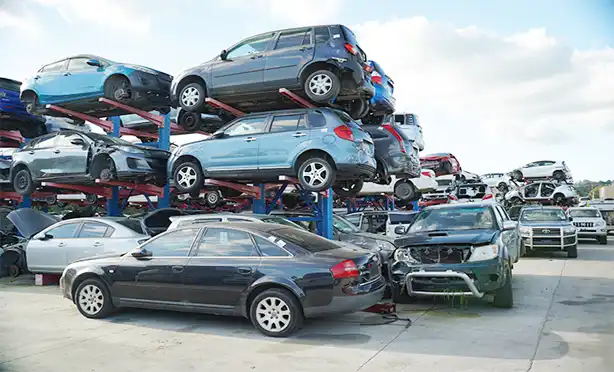
The automotive industry in Queensland has been changing over the past decade, and one of the strongest signs of this shift is the growing focus on how scrap cars are handled. Many older vehicles across Brisbane reach a point where they can no longer be repaired, yet they still hold material that can be reused. This situation has created a clear link between scrap cars and the circular economy, where resources stay in use for as long as possible. In Brisbane, this approach is now more than a trend, as it is shaping how metal, parts, and other materials are recovered and reused in a responsible way.
The Role of Scrap Cars in Resource Recovery
When a vehicle reaches the end of its driving life, it still contains steel, aluminium, copper, glass, and rubber. These materials do not lose their core structure even after many years of use. Studies from recycling sectors in Australia show that an average passenger car is made up of more than 65 percent metal. Steel is one of the most reused materials in the world, and Queensland contributes to this through local scrap yards and processing centres that sort and prepare metal for new production.
This process reduces the need to mine fresh ore. Mining remains essential for many industries, but it takes energy, fuel, and long-distance transport to extract and process new metal. When scrap cars in Brisbane are dismantled, the metal taken from them can be melted and formed again with far less energy. This change in material flow supports the circular economy by keeping resources in circulation rather than allowing them to go to waste.
Reducing Landfill Pressure Across Queensland
Landfill sites across the state have been under pressure for many years. Large objects like abandoned vehicles take up significant space and contain fluids that need to be removed in a controlled way. When old cars are left unused on properties or in storage yards, they sometimes end up deteriorating and leaking substances such as coolant, engine oil, or transmission fluid.
Scrap car facilities in Brisbane handle these materials carefully. They remove all liquids before dismantling the vehicle. This process helps prevent contamination of soil and waterways. Queensland’s environmental authorities have reported concerns about illegal dumping of car shells in rural and outer suburban areas, which has highlighted the importance of safe removal. By moving old cars into proper scrap streams, Brisbane reduces landfill pressure and protects the ground from contamination.
How Scrap Car Yards Contribute to the Circular System
Scrap yards in Brisbane do more than collect metal. They sort, dismantle, clean, and prepare each part of a vehicle so it can continue its life cycle. Seats, mirrors, engines, alternators, wiring, glass, tyres, and even interior plastics can be repurposed. Each item goes through its own path, depending on its condition.
For instance:
-
Steel and aluminium are separated and processed for reuse in new construction or manufacturing projects.
-
Copper wiring is stripped and sold to metal processors.
-
Glass from windscreens may be turned into construction materials.
-
Tyres may be used for ground cover in sports grounds or recycled into road surfaces.
This breakdown ensures that less material ends up as waste. It also supports local industries that rely on consistent supply of recycled components.
Environmental Outcomes That Brisbane Gains
The environmental advantages linked to scrap cars are well recorded. When metal is reused, greenhouse gas emissions are reduced because the energy required for remelting metal is significantly lower than that needed for mining and refining new ore. The Australian Bureau of Statistics has highlighted that recycled steel can save up to 75 percent of the energy used in creating new steel. With a large number of ageing cars on Brisbane roads each year, the potential environmental gains are significant.
Scrap yards also prevent harmful substances from entering the environment. Batteries, fuel, and oils are taken from the vehicle under controlled conditions. Each substance is then sent to specialised processors that handle them safely.
How Scrap Cars Strengthen Local Queensland Industries
Scrap cars have economic importance too. There are many industries in Queensland that rely on recycled metal, including construction, manufacturing, and engineering. These sectors use a mix of new and recycled material. The presence of scrap car yards across Brisbane helps these industries cut down on the cost and time needed to source fresh material from outside the region.
There is also a growing community of car restorers, artists, and tradespeople who look for parts from scrap cars. Door panels, sections of metal, engine components, and interior fittings all have a second life in restoration workshops and creative projects.
The Human Side of Scrap Car Work
Behind every scrap car yard is a dedicated team that handles vehicles from the moment they arrive to the point where they are fully dismantled. These workers sort, lift, measure, and process materials with care. Many have spent years learning how to handle parts, understand metal grades, and navigate Australian recycling standards. Their work supports the broader circular economy and helps keep the recycling chain active across Brisbane and nearby regions.
A Natural Fit for Scrap Cars Brisbane Services
There are times when vehicle owners want to clear space, deal with a damaged car, or pass on a van or ute that no longer functions. In such cases, services such as scrap cars brisbane offered by companies like add your project url help connect vehicle owners with the recycling stream. These services remove unwanted vehicles from homes, workshops, or roadside locations, and direct them toward recycling channels where each material is processed for reuse. It fits naturally into the circular economy approach because the vehicle is removed safely, handled correctly, and returned to the resource flow rather than left to deteriorate.
The Circular Economy Vision for Queensland’s Future
Queensland has been moving toward a model where fewer items are wasted and more materials are reused. Scrap cars play an important role in this progress. Each recycled car reduces the demand on mining, supports local workers, and shapes new opportunities for industries that rely on metal and parts.
As more drivers become aware of the link between scrap cars and the circular economy, Brisbane will see continued growth in recycling centres, improved recovery systems, and stronger environmental outcomes. It is a system that brings together practicality, responsible handling, and a forward-thinking approach to resource use.

 English
 French
 Spanish
 Portuguese
 Deutsch
 Turkish
 Dutch
Dutch
 Italiano
 Russian
 Romaian
 Portuguese (Brazil)
 Greek
Greek