


What Is the Best Technology Stack for Mobile App Development in 2026?
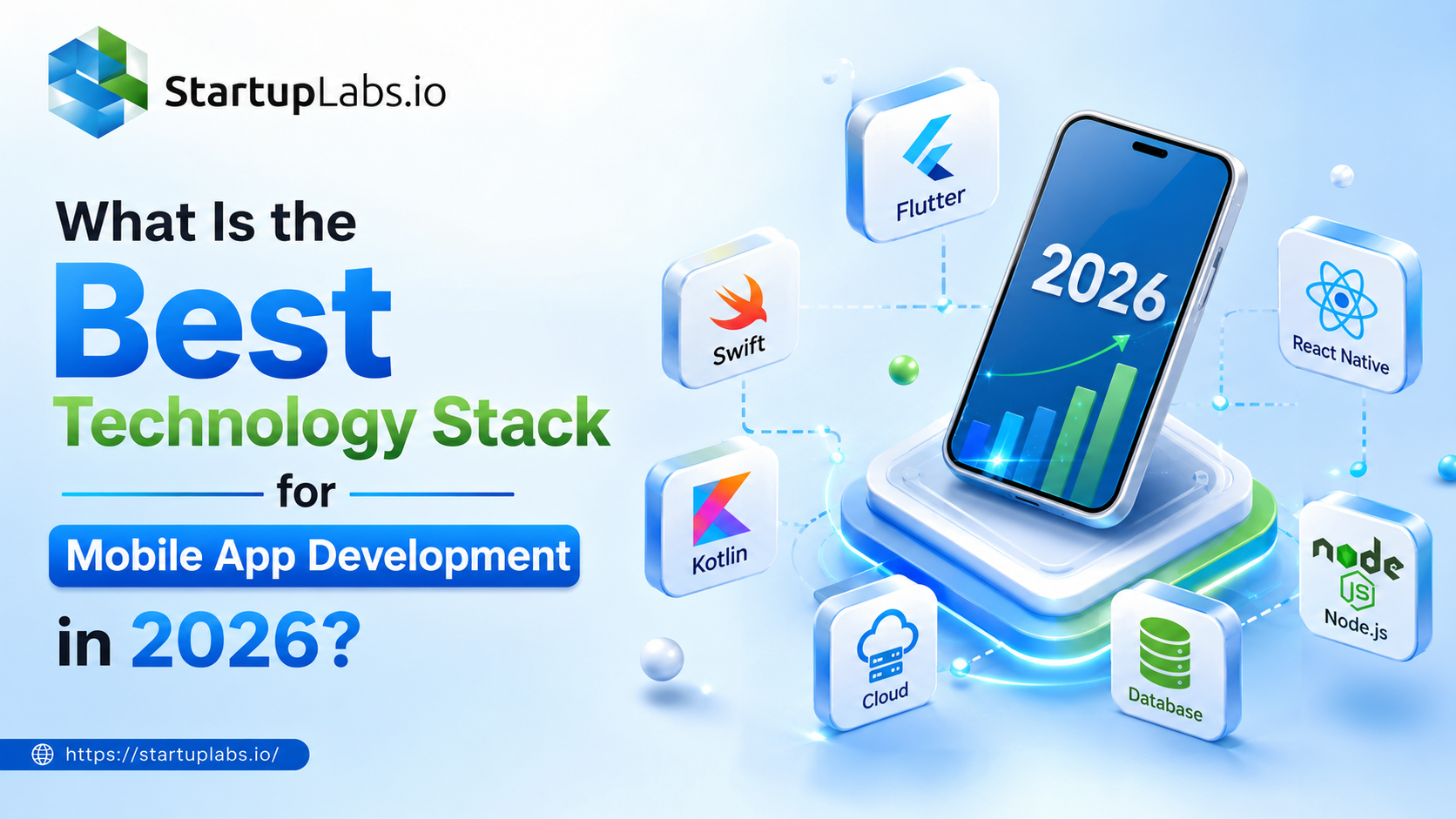
Mobile apps continue to transform how businesses connect with customers. Whether you are launching a startup, building an eCommerce platform, or creating a business solution, choosing the right technology stack is one of the most important decisions you will make.
In 2026, mobile app development is being driven by AI, cloud computing, cross-platform frameworks, and advanced security technologies. The right technology stack can improve app performance, reduce development costs, and help your product scale faster.
This guide explains the best technology stack for mobile app development in 2026 and how to choose the right one for your project.
What Is a Technology Stack?
A technology stack is the combination of programming languages, frameworks, tools, databases, and cloud services used to build and run a mobile application.
A typical mobile app technology stack includes:
- Frontend technologies
- Backend technologies
- Database solutions
- Cloud infrastructure
- APIs and integrations
- Security tools
- DevOps and deployment tools
The right stack depends on your business goals, target audience, budget, and app requirements.
Why Choosing the Right Tech Stack Matters
A well-planned technology stack helps businesses:
- Reduce development time
- Improve user experience
- Enhance security
- Support future growth
- Lower maintenance costs
- Simplify updates and feature additions
Choosing outdated technologies can lead to performance issues, security risks, and higher long-term expenses.
Best Frontend Technologies for Mobile Apps in 2026
Flutter
Flutter remains one of the most popular frameworks for cross-platform app development.
Benefits:
- Single codebase for Android and iOS
- Fast development process
- Excellent performance
- Beautiful user interfaces
- Strong community support
Flutter is ideal for startups and businesses looking for faster development and lower costs.
React Native
React Native continues to be a strong choice for mobile app development.
Benefits:
- Reusable code
- Faster deployment
- Large developer community
- Easy integration with third-party services
Many businesses choose React Native for scalable applications with moderate complexity.
Swift for iOS
For apps specifically targeting Apple users, Swift remains the preferred programming language.
Benefits:
- High performance
- Better security
- Smooth integration with Apple devices
- Optimized user experience
Kotlin for Android
Kotlin remains Google's recommended language for Android app development.
Benefits:
- Modern syntax
- Faster coding
- Improved safety features
- Excellent Android support
Best Backend Technologies in 2026
Node.js
Node.js continues to dominate backend development due to its speed and scalability.
Best For:
- Real-time applications
- Chat apps
- Social networking platforms
- On-demand services
Python
Python is becoming even more important because of AI integration.
Best For:
- AI-powered apps
- Machine learning solutions
- Data-driven applications
Java
Java remains a reliable choice for enterprise applications.
Best For:
- Banking applications
- Large-scale business systems
- Enterprise mobile solutions
.NET
Microsoft's .NET ecosystem is widely used for secure and scalable applications.
Best For:
- Enterprise businesses
- Corporate software solutions
- Cloud-integrated apps
Best Database Technologies
PostgreSQL
One of the most trusted relational databases in 2026.
Advantages:
- High security
- Scalability
- Strong performance
MongoDB
Perfect for handling large amounts of unstructured data.
Advantages:
- Flexible architecture
- Fast performance
- Easy scalability
Firebase
Firebase remains popular for startup applications and MVP development.
Advantages:
- Real-time database
- Authentication services
- Cloud hosting
- Push notifications
Best Cloud Platforms
Cloud infrastructure is essential for modern mobile apps.
Amazon Web Services (AWS)
AWS continues to lead the cloud market.
Features:
- Scalability
- Global infrastructure
- Advanced security
Microsoft Azure
Popular among enterprises and large organizations.
Features:
- Strong security
- AI integration
- Enterprise-grade reliability
Google Cloud Platform (GCP)
Excellent for AI-driven applications.
Features:
- Machine learning tools
- Data analytics
- Cloud-native architecture
AI Technologies Shaping Mobile Apps in 2026
Artificial Intelligence is no longer optional for many applications.
Businesses are integrating:
- AI chatbots
- Voice assistants
- Personalized recommendations
- Predictive analytics
- Image recognition
- Automated customer support
Technologies such as OpenAI APIs, TensorFlow, and Google AI services are becoming standard components of modern mobile applications.
Security Technologies Every App Needs
Security remains a top priority in 2026.
Essential security features include:
- Multi-factor authentication
- End-to-end encryption
- Secure APIs
- Biometric authentication
- Data protection compliance
- Regular vulnerability testing
Strong security builds customer trust and protects business data.
Recommended Mobile App Tech Stack for Most Businesses
If you're building a new mobile application in 2026, a highly effective stack would be:
- Frontend: Flutter
- Backend: Node.js
- Database: PostgreSQL
- Cloud: AWS
- AI Integration: OpenAI API
- Authentication: Firebase Authentication
This combination offers scalability, speed, security, and future-ready performance.
How to Choose the Right Technology Stack
Ask yourself these questions:
- What problem does the app solve?
- Who is the target audience?
- What is the project budget?
- Do you need Android, iOS, or both?
- Will AI features be required?
- How many users do you expect in the future?
The answers will help determine the most suitable technologies for your project.
Final Thoughts
The best technology stack for mobile app development in 2026 combines performance, scalability, security, and AI capabilities. Flutter, Node.js, PostgreSQL, AWS, and AI-powered services are leading the industry because they help businesses build modern applications faster and more efficiently.
Whether you are a startup or an enterprise, selecting the right technology stack is the foundation of a successful mobile app.If you're unsure which route to take, partners like StartUpLabs can help you evaluate your unique requirements and build future-ready mobile applications using the latest 2026 industry best practices.
FAQ
What is the best framework for mobile app development in 2026?
Flutter is considered one of the best frameworks because it allows developers to build Android and iOS apps from a single codebase.
Is React Native still relevant in 2026?
Yes. React Native remains a popular choice for businesses looking for cost-effective cross-platform development.
Which backend technology is best for mobile apps?
Node.js is widely preferred due to its speed, scalability, and support for real-time applications.
What cloud platform should I use for mobile apps?
AWS is the most commonly used cloud platform, followed by Microsoft Azure and Google Cloud Platform.
Is AI important for mobile apps in 2026?
Yes. AI-powered features such as chatbots, recommendations, automation, and predictive analytics are becoming standard in modern mobile applications.

 English
 Arabic
 French
 Spanish
 Portuguese
 Deutsch
 Turkish
 Dutch
Dutch
 Russian
 Romaian
 Portuguese (Brazil)
 Greek
Greek