


A Complete Guide to Used Centrifuges for Industrial Processing
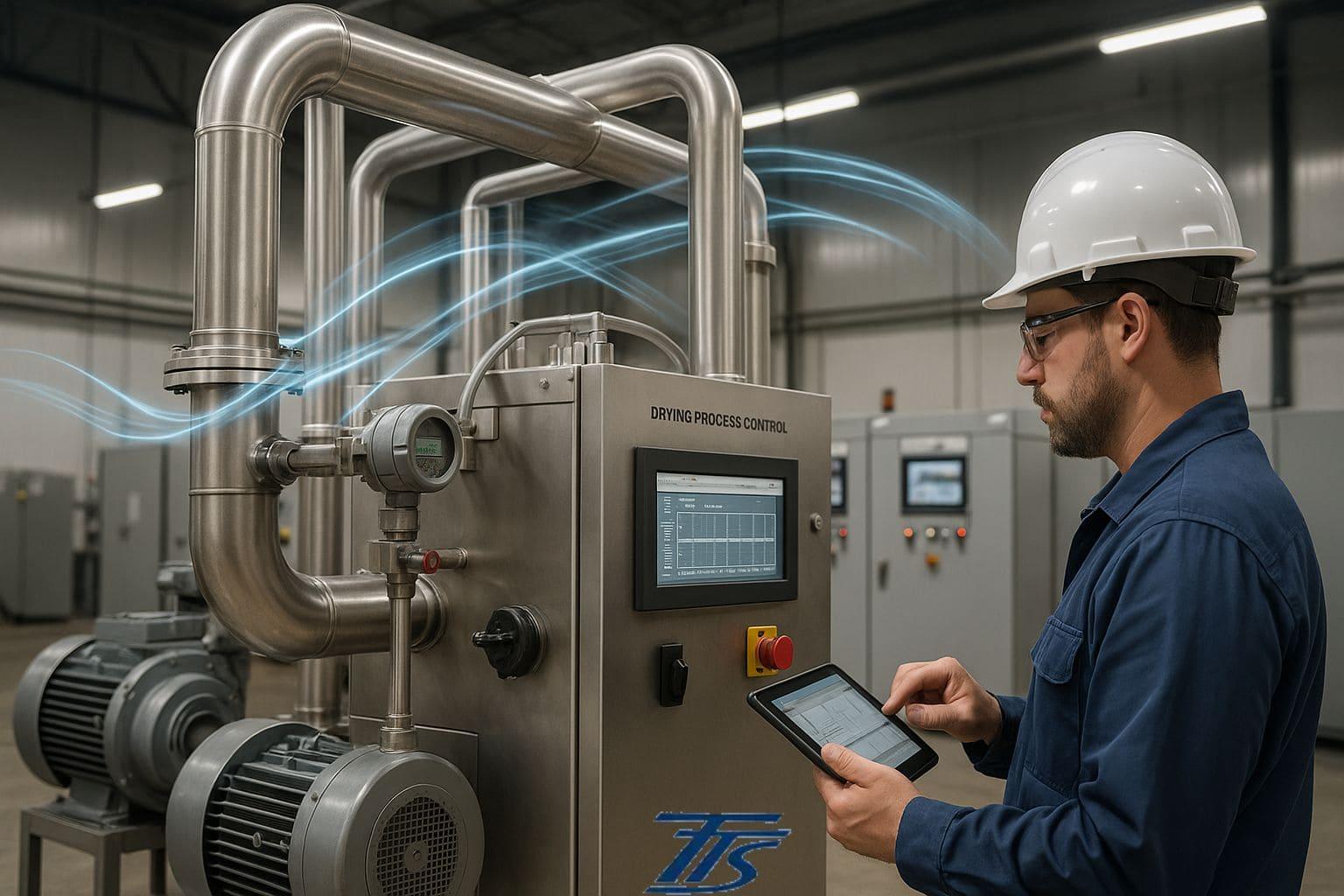
Centrifuges play a critical role in separating solids, liquids, and mixtures in industrial processes. From chemical production to food processing, these machines ensure reliable separation, improved product purity, and consistent throughput. While new centrifuges can be expensive and require long lead times, many facilities prefer used and surplus centrifuges because they offer dependable performance at a significantly lower cost.
If you are planning to expand capacity, replace aging equipment, or support new processing requirements, understanding the value and types of used centrifuges can help you make an informed decision.
What Are Industrial Centrifuges?
Industrial centrifuges are mechanical separation devices that use high rotational forces to isolate components based on density. When a mixture is fed into a spinning bowl or basket, heavier materials move outward while lighter components move inward, enabling efficient separation.
At JM Industrial, we supply a wide range of used, unused, and surplus centrifuges sourced from industrial facilities across the U.S. Each unit is inspected for mechanical integrity, operational reliability, and cleanliness before being listed for sale.
Why Industries Choose Used Centrifuges
1. Significant Cost Savings
Used centrifuges offer substantial financial advantages. Instead of investing heavily in new equipment, industrial plants can acquire high-performing centrifuges at a fraction of the cost.
2. Immediate Availability
New centrifuges often involve long manufacturing cycles. Used and surplus units allow facilities to upgrade or replace equipment without operational delays.
3. Proven Performance
Used centrifuges originate from operational environments, which means their reliability and efficiency have already been tested under real industrial conditions.
4. Environmentally Responsible Choice
Reusing industrial equipment supports sustainability goals by reducing manufacturing waste and extending equipment lifespan.
Types of Used Centrifuges Available for Industrial Applications
1. Decanter Centrifuges
Decanters continuously separate solids from liquids using a rotating bowl and screw conveyor.
Advantages:
• Ideal for high-solids content mixtures
• Continuous operation
• Excellent for large-scale processing
Common Uses:
Wastewater treatment, chemical slurries, food byproducts, mineral processing
2. Basket / Batch Centrifuges
These centrifuges use a perforated basket that spins at high speed to separate solids from liquids.
Advantages:
• Simple design
• Effective for batch separation
• Can handle coarse solids
Common Uses:
Pharmaceutical powders, food ingredients, industrial chemicals
3. Disk Stack (Disc Bowl) Centrifuges
Disk centrifuges use stacked conical discs to maximize separation efficiency for fine particles.
Advantages:
• Excellent for fine particle removal
• High throughput
• Suitable for heat-sensitive products
Common Uses:
Oil purification, dairy processing, beverage clarification, biotech fluids
4. Tubular Bowl Centrifuges
A high-speed vertical bowl separates fine particles or immiscible liquids.
Advantages:
• High G-force
• Superior clarity
• Excellent for low-concentration solid removal
Common Uses:
Pharmaceuticals, essential oils, chemicals, fermentation broths
5. Peeler Centrifuges
These centrifuges use a scraper mechanism to remove cake solids from the rotating basket.
Advantages:
• Gentle handling
• Automated operation
• Suitable for crystals and fragile solids
Common Uses:
Fine chemicals, specialty salts, starch, and polymers
Industries That Rely on Used Centrifuges
Used centrifuges are widely used in industries that require continuous, reliable, and high-efficiency separation:
-
Chemical Manufacturing
-
Pharmaceuticals
-
Food & Beverage
-
Wastewater Treatment
-
Oil & Gas
-
Plastics and Polymers
-
Mining & Minerals
-
Biotechnology
Each industry selects centrifuge types based on mixture characteristics, solids concentration, and product quality requirements.
Factors to Consider When Buying a Used Centrifuge
1. Material Characteristics
Know whether your mixture contains fine particles, coarse solids, multiple liquid phases, or heat-sensitive materials.
2. Desired Separation Level
Choose based on clarity requirements — coarse separation, fine polishing, or high-purity clarification.
3. Speed & G-Force
Higher G-force improves separation efficiency but must match your process needs and product limitations.
4. Bowl Size & Throughput
Ensure the centrifuge can handle your required processing capacity (batch or continuous).
5. Construction Material
Stainless steel, Hastelloy, or other corrosion-resistant alloys may be needed depending on chemical compatibility.
6. Drive System & Controls
Check motor integrity, variable speed options, and whether the unit is compatible with your plant control system.
7. Maintenance History
Reliable suppliers provide:
• Inspection records
• Mechanical condition reports
• Wear component checks (bearings, seals, bowl integrity)
Why Buy Used Centrifuges from JM Industrial?
JM Industrial offers a large inventory of used, unused, and surplus centrifuges from industrial plants. Each unit is evaluated for its operating condition, structural integrity, and readiness for deployment. With competitive pricing and fast delivery, we help industries scale their separation processes efficiently and cost-effectively.
Whether you need a decanter, disc centrifuge, basket centrifuge, or tubular bowl unit, our team can help you select equipment that matches your application and performance targets.

 English
 Arabic
 French
 Spanish
 Portuguese
 Deutsch
 Turkish
 Dutch
Dutch
 Russian
 Romaian
 Portuguese (Brazil)
 Greek
Greek