


Does Sitting All Day Increase the Risk of Varicose Veins?
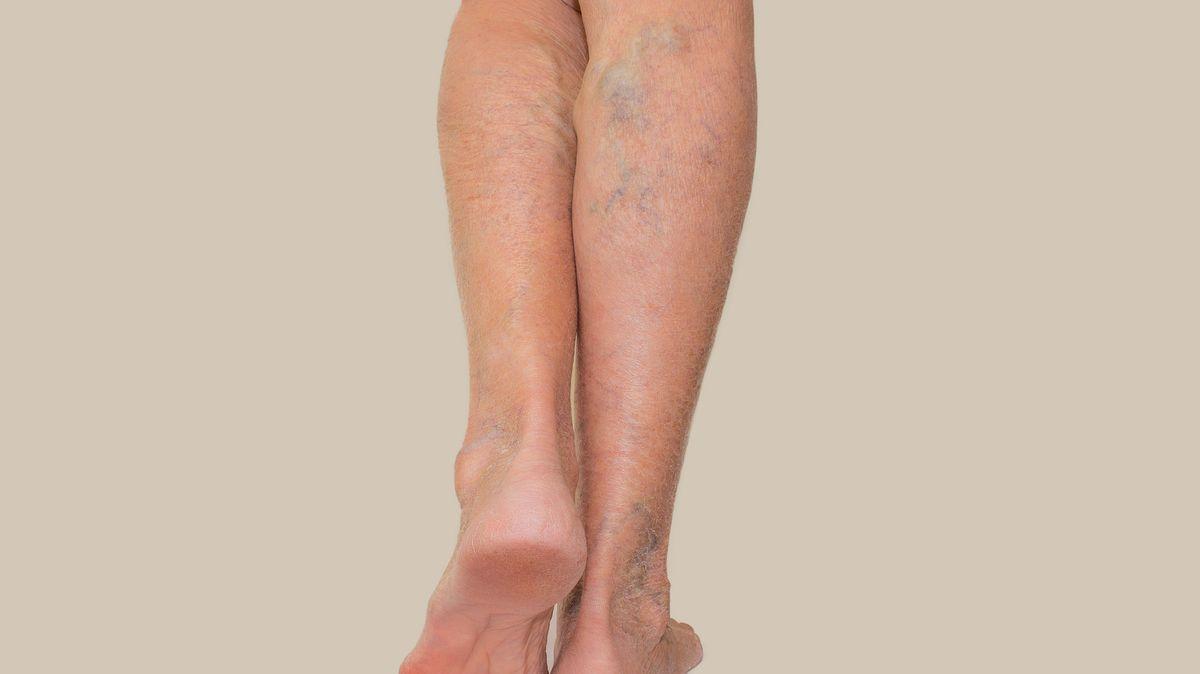
In today’s fast-paced digital world, many people spend the majority of their day sitting—whether at a desk, commuting, or relaxing at home. This sedentary lifestyle has raised concerns about circulation issues and vein health. One condition often associated with prolonged sitting is varicose veins, which are twisted, swollen veins that typically appear in the legs and feet. Understanding the connection between daily habits and vein health is crucial for anyone looking to prevent or manage vein-related problems.
How Sitting Affects Vein Health
Circulation and Blood Flow
When you sit for long hours, the natural pumping mechanism of your leg muscles is limited. Normally, leg muscles help push blood back to the heart, but sitting reduces this movement, which can lead to blood pooling in the lower limbs. This stagnant blood flow increases pressure within the veins, contributing to the formation of varicose veins.
Increased Risk Factors
Varicose Veins Treatment often addresses not only existing veins but also the risk factors that promote their development. Prolonged sitting is considered one of the primary lifestyle-related triggers. Other risk factors include obesity, pregnancy, aging, hormonal changes, and genetics. People who have a family history of varicose veins are particularly vulnerable if they lead a sedentary lifestyle.
Symptoms and Early Warning Signs
Recognizing Varicose Veins
Varicose veins are typically visible as bulging, blue or purple veins that may cause discomfort. Common symptoms include:
-
Swelling of the legs or ankles
-
Aching, heaviness, or throbbing in the legs
-
Itching around the affected veins
-
Skin discoloration or dryness near the veins
Early recognition is vital because untreated varicose veins can lead to complications such as chronic venous insufficiency or blood clots.
When to Seek Medical Attention
If you experience severe pain, sudden swelling, or noticeable changes in the skin over the veins, consult a professional for varicose veins treatment. Early intervention ensures better outcomes and reduces long-term health risks.
Modern Approaches to Varicose Veins Treatment
Non-Surgical Options
-
Compression Therapy
Wearing compression stockings improves blood flow and reduces discomfort. They work by gently squeezing the legs, preventing blood from pooling. -
Lifestyle Modifications
Incorporating regular movement, avoiding prolonged sitting, elevating legs, and maintaining a healthy weight are crucial non-invasive strategies. -
Sclerotherapy
This minimally invasive procedure involves injecting a solution into the affected veins, causing them to collapse and fade over time.
Surgical and Minimally Invasive Procedures
-
Endovenous Laser Therapy (EVLT)
A laser is used to close off the varicose veins. Recovery is usually faster than traditional surgery. -
Vein Stripping and Ligation
A more invasive method, vein stripping involves removing large varicose veins surgically. -
Radiofrequency Ablation
Similar to EVLT, this technique uses radiofrequency energy to close off veins safely.
Pros and Cons Table of Treatments
| Treatment Method | Pros | Cons |
|---|---|---|
| Compression Therapy | Non-invasive, improves comfort and swelling | Requires consistent use, doesn’t remove veins |
| Lifestyle Modifications | Improves overall health, prevents progression | Requires commitment, slower visible results |
| Sclerotherapy | Minimally invasive, effective for small veins | May require multiple sessions, risk of bruising |
| EVLT | Quick recovery, high success rate | May cause temporary nerve pain or bruising |
| Vein Stripping | Removes large veins completely | Longer recovery, surgical risks |
| Radiofrequency Ablation | Minimally invasive, high success rate | Temporary discomfort or swelling |
Sitting vs. Standing: A Comparative Look
| Factor | Sitting All Day | Standing All Day |
|---|---|---|
| Leg Muscle Activity | Low, limited pumping | Higher, helps circulation |
| Risk of Varicose Veins | Increased due to blood pooling | Lower but prolonged standing can also cause fatigue |
| Comfort | May feel easy but leads to stiffness | Can cause foot or back pain |
| Prevention Strategy | Frequent breaks, leg movement | Anti-fatigue mats, occasional sitting |
Lifestyle Strategies to Reduce Risk
Move Regularly
Even short breaks of walking or stretching every hour can significantly improve blood circulation in the legs. Activities like calf raises, leg lifts, and ankle rotations are beneficial.
Maintain a Healthy Weight
Excess weight puts additional pressure on veins, accelerating the development of varicose veins. Balanced diet and exercise can help manage this risk.
Elevate Your Legs
Whenever possible, elevate your legs above heart level for 10–15 minutes to encourage blood flow back to the heart.
Wear Supportive Clothing
Avoid tight clothing around the waist, thighs, and legs, which can restrict blood flow. Compression stockings are particularly effective for high-risk individuals.
When to Consider Varicose Veins Treatment
If lifestyle changes and home remedies fail to relieve symptoms, consulting a specialist for varicose veins treatment becomes necessary. Early interventions not only improve appearance but also prevent serious complications.
Common Questions About Varicose Veins
Can sitting for long hours alone cause varicose veins?
Prolonged sitting increases the risk but does not guarantee varicose veins. Genetics, age, and lifestyle also play major roles.
Are compression stockings effective for preventing varicose veins?
Yes, they improve circulation, reduce swelling, and help prevent the progression of varicose veins, especially for those at risk.
Is varicose veins treatment painful?
Minimally invasive procedures like sclerotherapy or laser therapy are generally well-tolerated, with only mild discomfort or temporary bruising.
Can varicose veins return after treatment?
While treatment is highly effective, veins can recur, particularly if risk factors such as prolonged sitting or standing are not managed.
Conclusion
Sitting all day can significantly increase the risk of developing varicose veins due to reduced circulation and blood pooling in the legs. Incorporating regular movement, wearing compression stockings, maintaining a healthy weight, and elevating the legs are all effective strategies for prevention. For persistent or severe cases, modern varicose veins treatment offers safe and effective solutions, from minimally invasive procedures to surgical options.
If you are concerned about your vein health or notice early signs of varicose veins, take action now. Contact Royal Clinic Saudia to explore tailored treatment options that ensure both health and confidence in your legs.

 English
 Arabic
 French
 Spanish
 Portuguese
 Deutsch
 Turkish
 Italiano
 Russian
 Romaian
 Portuguese (Brazil)
 Greek
Greek