


Malarial Parasite Test: Purpose, Procedure & Report Meaning
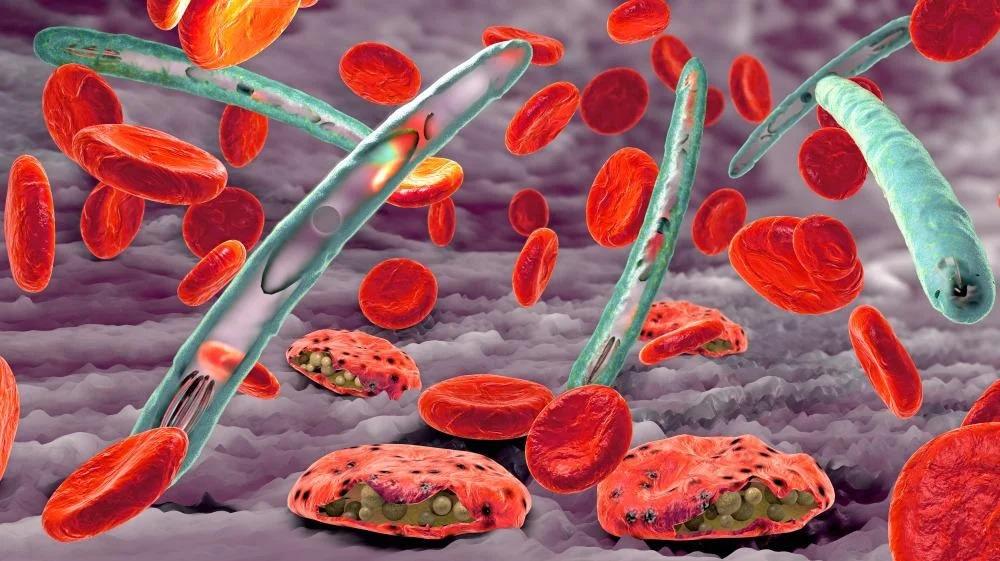
Malaria is one of the most common mosquito-borne diseases in Pakistan and many tropical regions around the world. Because its symptoms can closely resemble viral infections like dengue, flu, or typhoid, accurate and timely testing becomes extremely important. The malarial parasite test helps identify whether the malaria-causing parasite is present in your blood and determines the type of parasite responsible. Early detection can prevent complications such as severe anemia, organ failure, and cerebral malaria. In this comprehensive guide, we will walk through the purpose of the malarial parasite test, how the procedure works, and how to understand your report.
What Is a Malarial Parasite Test?
A malarial parasite test is a laboratory test that detects the presence of Plasmodium parasites in the blood. These parasites are transmitted through the bite of an infected Anopheles mosquito. When they enter the bloodstream, they attack red blood cells and reproduce rapidly, causing fever, chills, fatigue, and other symptoms associated with malaria.
There are different types of malarial parasite tests, including microscopic examination (thick and thin blood smears), Rapid Diagnostic Tests (RDTs), and PCR tests. The thick smear helps detect whether parasites are present, while the thin smear identifies the exact type of parasite, such as Plasmodium falciparum, vivax, ovale, or malariae. These tests provide quick, reliable results and help doctors choose the right treatment plan based on the parasite type and severity of infection.
Why Is the Malarial Parasite Test Done?
Doctors recommend a malarial parasite test when a patient shows classic malaria symptoms such as recurring fever, shivering, sweating, headaches, nausea, vomiting, or unexplained fatigue. Because malaria shares symptoms with conditions like dengue, typhoid, and viral fever, testing becomes essential to confirm the correct diagnosis.
This test also helps determine the need for hospitalization, identify severe malaria, and monitor the progress of treatment. In many regions, malaria is seasonal and peaks during monsoon months. People living in or traveling to such areas may require testing if they develop high-grade fever. Early testing prevents the infection from spreading and reduces the risk of severe complications, especially in children, pregnant women, and individuals with weak immunity.
Types of Malarial Parasite Tests
There are three main types of malarial parasite tests, and understanding the difference helps you know what your doctor may order:
1. Microscopy (Thick and Thin Smear)
This is the gold standard for malaria diagnosis. A drop of blood is spread on a glass slide and examined under a microscope. The thick smear helps detect parasites, while the thin smear identifies the specific species.
2. Rapid Diagnostic Tests (RDTs)
These tests detect malaria antigens using a simple strip. Results are available within 15–20 minutes, making them useful in emergencies or remote areas without microscopy facilities.
3. PCR (Polymerase Chain Reaction)
A highly sensitive test that detects parasite DNA. It is mostly used in research or when the infection is very low-level and harder to detect through microscopy.
Doctors may recommend one or a combination of these depending on symptoms, severity, and available laboratory resources.
Malarial Parasite Test Procedure: What to Expect
The procedure for the malarial parasite test is simple and quick. A lab technician collects a small amount of blood, usually from a vein in your arm or sometimes from a fingertip in case of rapid tests. The sample is then prepared depending on the type of test ordered.
For microscopic testing, the blood sample is spread on slides and stained before being viewed under a microscope to look for parasites. For RDTs, a few drops of blood are applied to a test strip, and chemicals react with malaria antigens to produce a result line. The entire process usually takes between 15 minutes and one hour, depending on the test method. No anesthesia or special recovery time is needed, and you can resume your normal activities immediately afterward.
How to Prepare for a Malarial Parasite Test?
There are no strict preparation guidelines for a malarial parasite test. You do not need to fast or stop any medication unless your doctor specifically asks you to. However, you should inform your healthcare provider if you are taking antimalarial drugs or antibiotics, as they may affect test accuracy.
It is also recommended to stay well hydrated and rest properly if you are experiencing fever or chills. If your symptoms are severe, you may be advised to undergo urgent testing. For accurate results, it is best to get the test done early in the course of fever rather than delaying until the symptoms worsen.
Malarial Parasite Test Price in Pakistan
The cost of a malarial parasite test in Pakistan typically ranges from Rs. 500 to Rs. 1,500, depending on the type of test and the laboratory. Microscopy tests are usually cheaper, while PCR testing tends to be more expensive. Reputable labs like Dr. Essa Lab, Chughtai Lab, and other accredited diagnostic centers offer malaria tests with high accuracy. Booking through online platforms like InstaCare often provides discounted rates and hassle-free home sampling options.
Understanding Your Malarial Parasite Test Report
Interpreting a malarial parasite test report is crucial to understanding the severity and type of infection. A positive report means that malaria parasites have been detected in your blood. The report may include details such as parasite type, parasite load, and developmental stage, especially if a thin and thick smear is examined.
A negative report indicates that no parasites were found. However, if symptoms persist despite a negative test, your doctor may recommend repeating the test after a few hours because parasite levels can fluctuate throughout the day. For rapid tests, the report may simply show “positive” or “negative,” but doctor evaluation is still necessary for treatment planning. Never self-medicate for malaria based solely on symptoms without a proper diagnostic report.
Complications Identified Through the Test
In addition to diagnosing malaria, a malarial parasite test can help detect complications. High parasite density may indicate severe malaria, especially in infections caused by Plasmodium falciparum. The test can also help doctors monitor the effectiveness of antimalarial treatment by checking whether parasite levels are decreasing. In some cases, additional tests such as CBC, kidney function tests, or liver function tests may be ordered to check for organ involvement.
Who Needs a Malarial Parasite Test Most Urgently?
Certain groups are at higher risk of severe malaria. These include young children, pregnant women, elderly individuals, and people with compromised immunity. Travelers returning from malaria-endemic regions also require immediate testing if they develop fever. Individuals living in flood-affected or poorly sanitized areas may also benefit from early screening. Getting tested promptly ensures safer and faster recovery.
Book Malarial Parasite Test from Dr. Essa Lab Through InstaCare & Get 20% Discount
If your doctor has recommended a malarial parasite test, you can easily book it online from Dr. Essa Lab through InstaCare and receive a 20% discount. With InstaCare, you get certified labs, easy online booking, home sampling options, and quick digital reports—all designed to make your healthcare experience smooth and reliable.
Conclusion
The malarial parasite test is an essential diagnostic tool for identifying malaria and determining the type of parasite causing the infection. It helps guide timely and accurate treatment, preventing complications and ensuring a faster recovery. Whether you choose microscopy, a rapid test, or PCR, the key is early diagnosis. With facilities like InstaCare, getting tested has never been easier or more convenient. If you experience fever, chills, or unexplained fatigue, getting a malarial parasite test should be your first step.
FAQs
1. Does the malarial parasite test require fasting?
No. You do not need to fast before the test unless your doctor recommends additional fasting-based tests.
2. Can malaria be present even if the test is negative?
Yes, sometimes parasite levels are low and may not show up initially. Your doctor may advise repeating the test if symptoms persist.
3. How long do malaria test results take?
Rapid tests provide results within 15–20 minutes, while microscopy results may take 1–2 hours depending on the lab.

 English
 Arabic
 French
 Spanish
 Portuguese
 Deutsch
 Turkish
 Dutch
Dutch
 Russian
 Romaian
 Portuguese (Brazil)
 Greek
Greek