


Palletised Distribution | The Backbone of Modern Freight Solutions
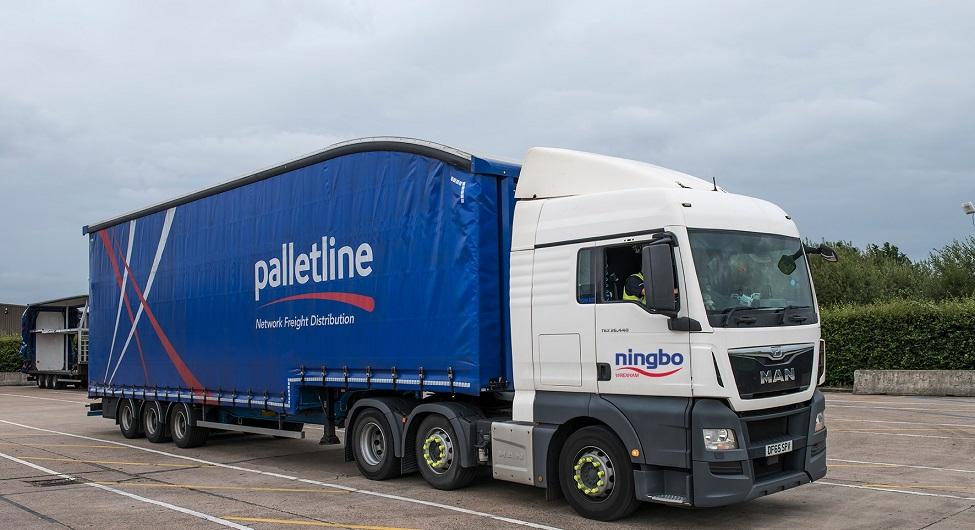
Efficient logistics is the heartbeat of every successful business, and few systems support this efficiency better than palletised distribution. As companies continue to optimise their supply chains for speed, safety, and cost-effectiveness, the demand for high-quality pallet transport services has grown dramatically. This article explores how pallet freight works, why it is trusted nationwide, and what businesses gain by shifting to structured pallet networks.
Understanding the Concept of Palletised Distribution
At its core, palletised distribution is a streamlined method of transporting goods where products are securely stacked on wooden, plastic, or metal pallets. Instead of shipping individual boxes or loose cargo, items are consolidated into stable units that can be lifted by forklifts, pallet trucks, or automated handling equipment.
This approach brings structure and safety to the freight world. From small e-commerce businesses to national manufacturers, palletised systems ensure consistent movement of goods across local, regional, and national routes. By reducing manual handling and using standardised pallet sizes, the entire transportation process becomes faster and more reliable.
How the Pallet Network System Works
Modern pallet networks operate using a “hub-and-spoke” structure. Local depots collect pallets from nearby customers, consolidate them, and move them to central hubs. At these hubs, freight is sorted and assigned to the appropriate outbound vehicles for next-day or economy delivery.
Key Stages:
Collection – A local depot picks up pallets from the customer.
Inbound Transport – The collected freight moves to a regional or national hub.
Sorting at Hub – Pallets are scanned, segregated, and placed onto designated routes.
Outbound Deliveries – Vehicles transport pallets to the destination depots.
Final Delivery – The local depot delivers the pallet to the end customer.
This standardised process reduces delays, eliminates inefficient routing, and allows even small businesses access to nationwide coverage at cost-effective prices.
Why Businesses Prefer Palletised Distribution
Enhanced Protection for Goods
When products are stacked and shrink-wrapped on a pallet, they remain secure throughout transport. This stability helps minimise breakage, tipping, or crushing — a common problem in loose-load shipping. The reduced handling of individual boxes also lowers the risk of human error.
Faster Loading and Unloading
Forklifts and pallet trucks dramatically speed up the movement of goods. A single pallet can hold dozens of units, allowing warehouses and delivery depots to process large volumes rapidly. This efficiency ensures quicker turnaround times and smoother flow across the network.
Cost Savings for Businesses
Shipping products individually is labour-intensive and expensive. Pallets optimise vehicle space and allow logistics companies to consolidate freight, reducing fuel, labour, and time costs. As a result, businesses benefit from competitive pricing and more predictable transport expenses.
Tracking and Transparency
Digital scanning, barcoding, and real-time tracking have transformed pallet transport. Businesses can monitor their freight from pickup to delivery, receive automated updates, and access proof of delivery instantly. This transparency builds trust and improves customer satisfaction.
Suitable for a Wide Range of Industries
From retail and food to manufacturing and pharmaceuticals, palletised distribution supports almost every commercial sector. Whether shipping raw materials, finished goods, machinery, or bulk inventory, pallets offer stability and standardisation that suit diverse requirements.
Types of Palletised Services Available
Next-Day Delivery
Ideal for urgent shipments, next-day pallet delivery ensures fast and reliable transport across the country. Many businesses rely on this service for time-critical goods.
Economy Services
A cost-effective option for shipments that are not time sensitive. It follows the same secure network but may take 48–72 hours depending on the route.
Tail-Lift Delivery
Perfect for locations without forklifts. Vehicles equipped with tail-lifts safely lower pallets to the ground at residential or small business addresses.
Oversized & Heavy Pallets
Some networks handle oversized items that exceed standard dimensions, offering flexible solutions for irregular freight.
Hazardous Goods Transport
Specialist pallet carriers are certified to handle hazardous materials while complying with strict safety regulations.
Sustainability Benefits of Palletised Freight
The logistics industry is under increasing pressure to reduce carbon emissions. Fortunately, pallet systems naturally support sustainability. By consolidating goods and optimising vehicle loads, fewer trips are required, resulting in lower fuel consumption. Reusable pallets also reduce waste, and automated route planning ensures efficient travel.
Many pallet networks now invest in electric forklifts, energy-efficient hubs, and digital systems that cut paper usage. Businesses looking to achieve greener operations often choose palletised distribution for its environmental advantages.
What to Consider When Choosing a Pallet Distribution Partner
Selecting the right logistics provider is crucial for smooth operations. Here are key factors businesses should evaluate:
Network Coverage
A reliable network should offer nationwide or international reach, ensuring consistent service regardless of destination.
Digital Tracking
Advanced tracking technology guarantees visibility, reduces uncertainty, and improves communication.
Service Options
Choose a provider offering next-day, economy, hazardous goods, oversized pallets, and tail-lift services to match your needs.
Safety & Compliance
Proper training, certified drivers, and secure handling equipment are essential for preventing damage and delays.
Customer Support
Efficient communication and responsive support teams help resolve issues quickly and maintain trust.
Why Palletised Distribution Will Continue to Grow
As e-commerce expands, supply chains evolve, and customer expectations rise, businesses need faster, safer, and more cost-effective freight solutions. Pallet networks offer exactly that. With the combination of digital innovation, improved handling equipment, and nationwide coverage, palletised distribution is set to remain at the center of the UK logistics industry.
Its ability to reduce costs, improve safety, and deliver consistent results makes it a preferred choice for companies of all sizes — from startups to major enterprises.

 English
 Arabic
 French
 Spanish
 Portuguese
 Turkish
 Dutch
Dutch
 Italiano
 Russian
 Romaian
 Portuguese (Brazil)
 Greek
Greek