


The Hidden Science Behind Long-Lasting Septic Systems: What Most Homeowners Never Learn
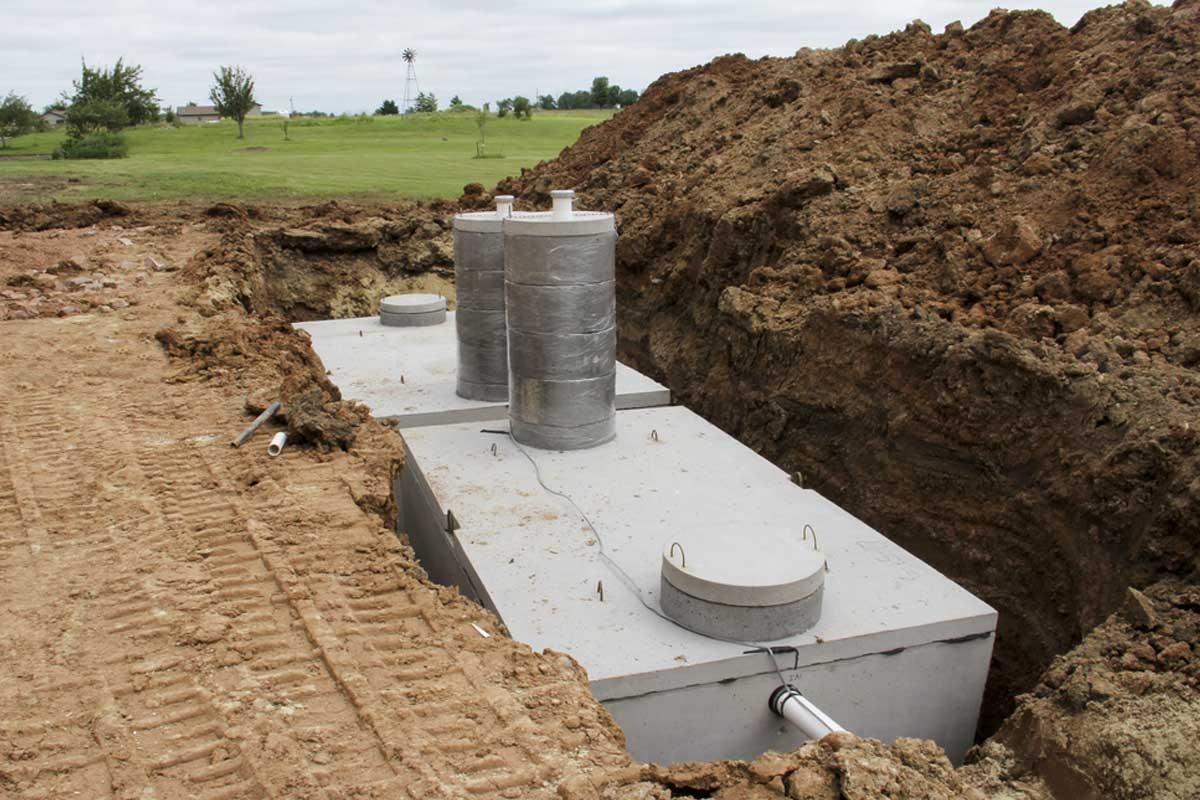
When people talk about septic tank cleaning, septic tank service, or even emergency septic system repair, the conversation usually revolves around what went wrong—blockages, backups, foul smells, or soggy drainfields. But behind every functioning septic system is a delicate balance of biology, engineering, and soil chemistry that most homeowners never hear about.
This article dives into the rarely discussed, scientifically grounded side of septic maintenance—insights based on soil behavior, microbial dynamics, and system load patterns. Understanding these principles not only protects your property but can also extend your septic system’s lifespan by a decade or more.
Why Your Soil Matters More Than Your Tank
The septic tank is only half the story. The real treatment happens in the drainfield, where wastewater encounters oxygen-rich soil layers. Healthy soil creates a natural filtration and purification process.
Here is where many homeowners go wrong: they assume that frequent septic tank cleaning is enough. While crucial, pumping alone can’t fix soil that’s compacted, saturated, or biologically dead.
High clay soils drain too slowly, causing hydraulic overload. Sandy soils drain too quickly, allowing partially treated effluent to reach groundwater. A well-designed septic tank service program should always involve soil assessment—looking at percolation rates, compaction levels, and seasonal water table fluctuations.
The Bio-Mat: Friend and Foe
One of the least understood components of a septic system is the “bio-mat,” a thin layer of organic material that forms at the interface between the drainfield trench and the surrounding soil.
How the bio-mat protects your drainfield
-
It acts as a natural filter, removing pathogens.
-
It slows the flow of water so the soil can process it.
-
It prevents raw wastewater from moving too quickly through the soil.
How the bio-mat destroys a drainfield
When solids escape the tank—usually due to skipped septic tank cleaning—they overload the bio-mat, causing it to thicken into a slimy, anaerobic layer. Eventually, it becomes impermeable, forcing wastewater to the surface or back into your home.
At this stage, homeowners usually face heavy costs for septic system repair—sometimes even full drainfield replacement.
Preventing bio-mat overload is one of the main reasons timely septic tank service is so important.
Advanced Monitoring Techniques (Experts Are Using These Now)
Septic professionals increasingly rely on new tools and techniques to predict failures before they happen. Some examples include:
1. Sludge and scum core sampling
This method measures exactly how much solid waste is in your tank.
If the sludge layer reaches ⅓ of the tank’s volume, septic tank cleaning becomes urgent.
2. Soil respiration tests
These tests check how active the soil microbes are in your drainfield.
Healthy microbial activity means your system is processing waste efficiently.
3. Flow-rate logging
Small households often use much less water than they think. Larger households often use far more.
Tracking actual usage helps tailor septic tank service intervals more accurately.
4. Fiber-optic inspection cameras
These can reveal cracked baffles, deteriorated tank walls, or incoming root systems long before visible symptoms appear.
These advanced measures reduce the likelihood of sudden failures and make long-term planning easier.
The Role of Household Habits: The “Invisible Load”
Even a perfectly designed septic system can fail prematurely if household habits aren’t aligned with septic-safe guidelines.
Habits that secretly damage your system:
-
Excessive laundry loads done in the same day
-
Garbage disposal usage (adds heavy solids)
-
Long, back-to-back showers
-
Frequent antibacterial soap and chemical cleaner use
-
Grease dumping (even small amounts cause buildup)
These habits strain both the tank and the drainfield.
Regular septic tank service helps mitigate the effects, but no amount of septic system repair can compensate for consistently harmful usage patterns over years.
The Biological Balancing Act
Your septic system depends on a living ecosystem of bacteria. These microbes digest solids, break down organic waste, and reduce sludge accumulation.
However, they are sensitive to:
-
Harsh chemical cleaners
-
Paints, thinners, solvents
-
Bleach overuse
-
Drain-clearing toxins
When these chemicals enter the system, biological activity drops dramatically. The result? Faster sludge buildup, poor decomposition, and the need for more frequent septic tank cleaning.
Some modern biologically formulated additives can help restore microbial balance, but they should complement—not replace—mechanical pumping.
When Repair Is Inevitable: What Actually Happens During Septic System Repair
Even with perfect maintenance, age and soil conditions may eventually demand septic system repair. The most common procedures include:
1. Drainfield rejuvenation
Using high-pressure aeration or soil fracturing to restore percolation capacity.
2. Baffle or tee replacement
These internal components prevent solids from entering the drainfield.
If damaged, solids escape and overload the system.
3. Pipe jetting
Hydro-jetting can clear clogged lines caused by years of grease, paper buildup, or root intrusion.
4. Partial drainfield extension
If the original field cannot be revived, adding a supplemental trench can help redistribute flow.
Early detection lowers repair costs dramatically—which is why homeowners benefit from routine professional assessments.
How Often Should You Pump? Forget the Old Rules
The old standard—pumping every 3 to 5 years—is outdated. Modern technicians rely on usage-based schedules:
| Household Size | Tank Size | Recommended Cleaning Interval |
|---|---|---|
| 1–2 people | 750–1000L | Every 4–5 years |
| 3–4 people | 1000–1500L | Every 3 years |
| 5+ people | 1500–2000L | Every 1–2 years |
These are general estimates. The real schedule should be determined by sludge measurements and usage patterns—part of a proper septic tank service routine.
Final Takeaway
A septic system isn’t just a tank in the ground—it’s a biological treatment engine working in harmony with your soil. When you understand the science behind it, you can prevent 80–90% of failures long before they require expensive septic system repair.
With regular inspection, proactive septic tank cleaning, and a well-planned septic tank service schedule, your septic system can function smoothly for decades.

 English
 Arabic
 French
 Spanish
 Portuguese
 Deutsch
 Turkish
 Dutch
Dutch
 Italiano
 Russian
 Romaian
 Portuguese (Brazil)