


From Shell to Showcase: The Complete Journey of Mother of Pearl Inlay Furniture
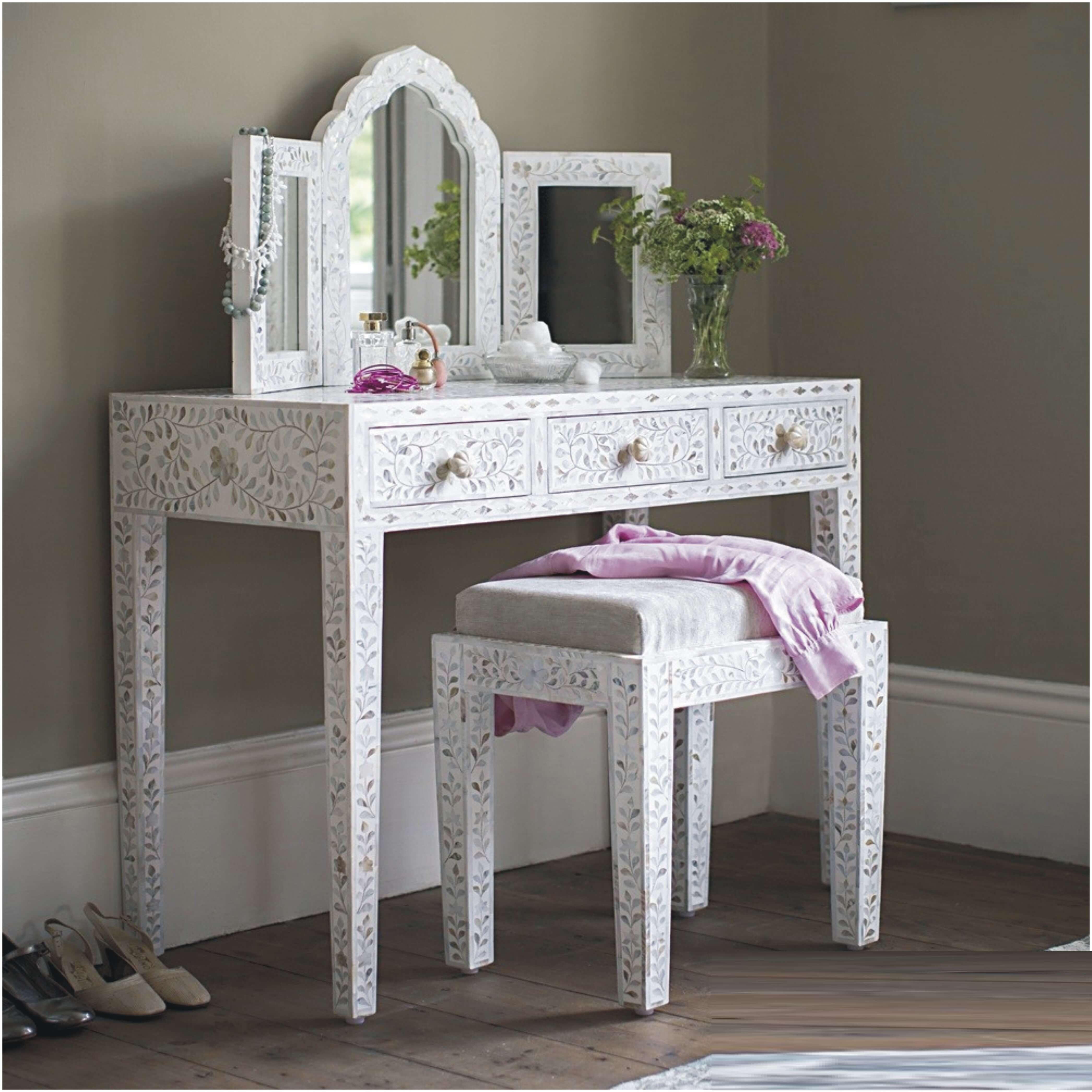
Introduction: A Craft Rooted in Legacy
Mother of pearl inlay furniture isn't just furniture-it's art, heritage, culture, all in wood. Imagine it as the place where art meets the iridescent beauty of nature and human creativity. From the gleaming seashells picked from far-off shores to the fretwork of flowers on a console table, the craft of mother of pearl inlay is centuries old, but it is always elegant.
For some of us who enjoy decor that tells a story, it's an even greater appreciation when you are able to start understanding this from raw shell to showroom display. Let's take a step-by-step look at this amazing process from beginning to end.
Harvesting Mother of Pearl: Nature's Gem
Our adventure begins underwater, as mother-of-pearl nacre is the inner layer of some shells (abalone, pearl oysters, freshwater mussels). Shells are collected in a sustainable manner, usually as a by-product of the seafood industry. This means that Mother of Pearl furniture can be more sustainable than one thinks.
Harvesters collect, clean, and sort each shell by thickness, luster, and color. There is a high demand for consistency, as artisans are looking for what catches light in a uniform fashion to achieve that unique glimmer. The process is similar to a diamond being selected for a piece of jewelry, each shell is unique and the sorting of the shell will take time and effort to determine quality.
Studies done by marine biologists have studied nacre's structure and how strong it is comparatively as material that looks delicate. even as an inlay, nacre's strength's advantage is in being captivatingly beautiful, while also being unexpectedly durable.
Cutting and Preparing the Shells
Post-harvesting, the shells go through numerous steps:
-
Cleaning - removing organic residue and sea salts.
-
Slicing - using fine saws to cut the shell into very thin sheets.
-
Polishing - sanding and buffing to reveal the opalescent sheen.
Think of a jeweler slicing through diamonds, maintaining precision is important. The shells need to be thin enough to function as inlay while also needing to be strong enough that they do not shatter under pressure!
In contemporary shops, laser-guided tools can help increase precision, but we still manually cut the shells ourselves. This dual approach to tradition vs. innovation emerges often throughout the process.
Formulating the Designs: The Creative Aspects
This is probably the most creative of the steps. The designer can draw patterns; such as, the classical motifs of paisleys, floral vines, swirling hearts, linear grids, and elaborate laser patterns. These designs borrow from centuries of traditional art from continents like Asia, the Middle east and europe. Mughal era Indian inlay work is the dominant influence on contemporary patterns for developed adoption of modeling myriad floral motifs. Although imitative, it tackles the intricacies of floral forms.
In the high-end workshop, the design process may include:
-
Hand-drawn or rendering mock-up getting accurate proportions and scale.
-
Stencils or templates that can be used to represent colors or hues and overlays on consecutive patterns.
-
Custom commissions with the buyer determining, pattern, colors or themes alluding to symbology.
Think of the custom dresser for example, in-lay represented a family crest - Not just furniture, but highly personalized.
Inlaying the Mother of Pearl
Now comes the labor-intensive step of inlaying the shell to the wood. The artisan will lay out the pattern on the wooden surface, and make shallow cuts into the wood to set the shell pieces in. The artisan will shape each tiny piece of mother of pearl - oftentimes hand-filing it - and insert each piece one at a time.
Some considerations to keep in mind during the inlay process:
-
Adhesives: Any good non-yellowing glue will work. Quality glues supply permanence.
-
Alignment: A good eye and knowledge of scale are essential to achieving perfect symmetry.
-
Surface leveling: excess laminate shell will overhang the and be sanded flush with the wood before finishing the wood.
The inlaying process is a little like putting a jigsaw puzzle together where everything has to fit together just right. Mistakes can be extremely difficult to fix when inlaying, thus care, skill
and patience are vital to achieve a good fit. In craft heritage studies, this stage will account for more than 50% of the total production time of an inlaid piece.
Final Steps: Making the Art Into a Real Piece of Furniture
After inlay, the furniture isn’t quite ready to be used yet, it goes through the following finishing stages:
-
Sanding: This stage ensures that both the shell and wood are exactly level.
-
Filling: Any micro-gaps are filled with resin or matching dust paste.
-
Polish: Several coats of natural or synthetic lacquer are applied to enhance depth and can provide a bit of protection for the surface.
-
Buffing: To achieve the final shiny or satin finish.
You can see that these final steps aren’t just for looks-they also mean something practical. One piece can withstand moisture and minor scratches (and time, my favorite adversary). The finishing procedures make the difference between simply artful objects, and usable and durable furniture.
Modern Trends and Real-World Applications
These days, mother of pearl inlay furniture is designed in more forms than ever before. You will see mother of pearl inlay in:
-
Classic: Sideboards, extravagant chests, enormous dining tables.
-
Modern households: Simple coffee tables with clean lines, dining tables with a thin inlay, and ultimately simplified console tables with pronounced edges.
-
Craft Collaborations: Designers who work with inlay artisans to produce contemporary designs, introduce combinations of individual patterns, and mix inlay and brass or wood and mother of pearl elements.
Take a good example? At many luxury hotels, guests commission headboards or wall panels with custom mother of pearl inlay furniture not just unique and luxurious spaces, but also use inlay in their design. Additionally, it is common for interior designers to incorporate inlay furniture as the jewel of an otherwise subdued space allowing the inlay furniture to be the only thing to twinkle and/or shine.
Sustainability, and ethical Craftsmanship
In today's world, consumers are concerned with sustainability. The good news is that the craft of mother of pearl inlay meets these standards:
-
Waste product: Shells are often a waste product from the seafood industry.
-
Less carbon foot print: Handmade items sustain less carbon footprint than mass produced items.
-
Durability: Longer product life cycle, which means replacing less.
That said, not all makers are created equal. ethically conscious workshops focus on equitable wages, safe work environment and provide an ethically sourced supply chain. It will be up to the consumer to verify that the brand that they are buying into has ethical principles.
Conclusion: It is the Story in every Object
mother of pearl inlay furniture is not something that is bottom of the barrel mass-produced, disposable, or impersonal. each piece represents human creativity and nature's abundance. From harvesting the shell from the crashing waves of oceans and distant shorelines, to when it is finished and being polished to a fine, lustrous surface, that object is a journey in many degrees of transformation and is the very essence of cultural heritage, art, and craftsmanship.
For people who are looking for a story as part of decorating and furnishing their home, mother of pearl is about as good as it gets! And if you are looking for the best brand name to represent this approach to home decor and furniture, Lakecity Handicrafts is the example of time-honoured tradition combining with modern excellence.

 English
 Arabic
 French
 Spanish
 Portuguese
 Deutsch
 Turkish
 Dutch
Dutch
 Italiano
 Russian
 Romaian
 Portuguese (Brazil)