


Cardiac Care & Diagnosis: Heart Tests and Prevention
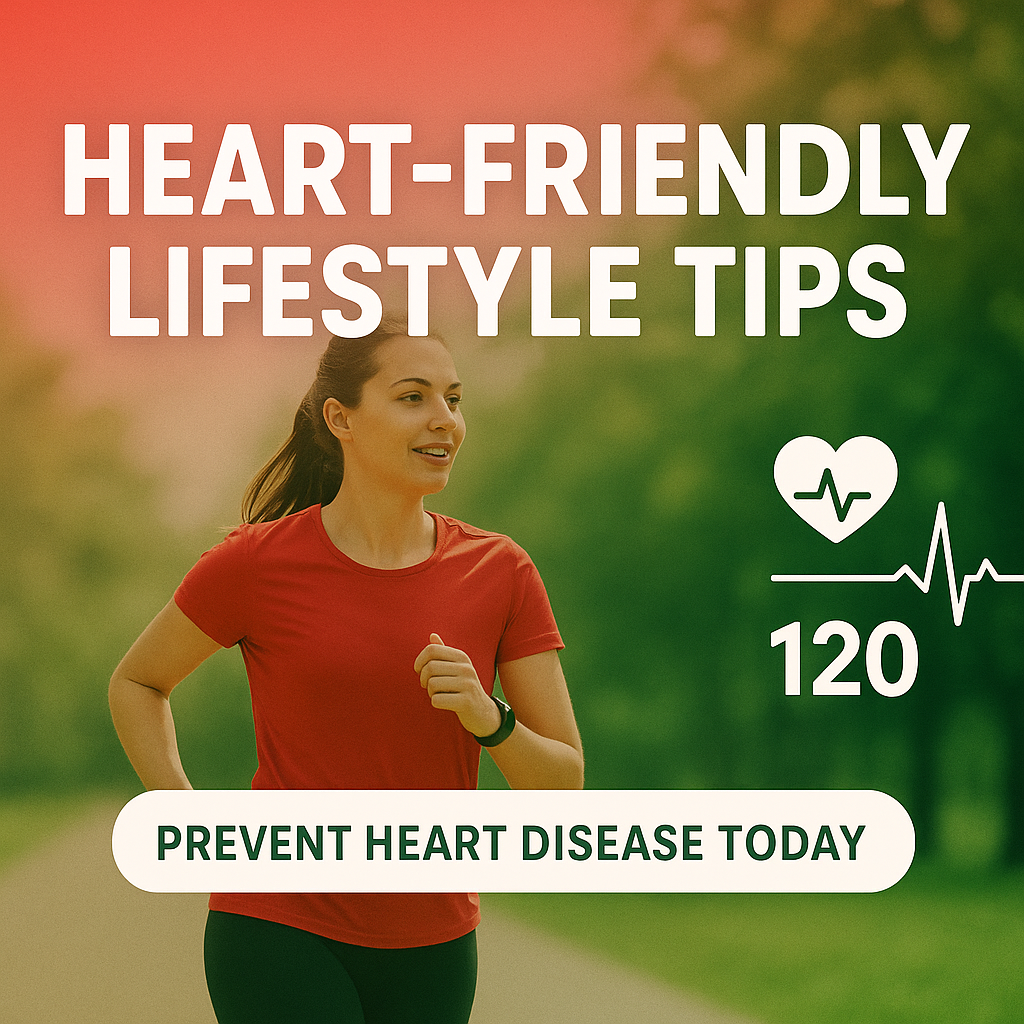
Cardiac care and diagnosis help you understand how healthy your heart is and whether you are at risk for heart disease. This guide explains common heart screenings, important tests, and simple lifestyle habits that keep your heart strong. Everything is explained in clear, easy language so anyone can understand it. Whether you want early screening or long-term prevention, this guide gives you the knowledge you need.
Why Cardiac Care and Diagnosis Matter
Heart disease is one of the most common health problems in the world. Many heart issues develop slowly and do not show clear symptoms at first. This makes early screening important. When doctors find heart problems early, treatment is easier and more effective.
What Is Heart Disease and How Common Is It
Heart disease includes many conditions, such as blocked arteries, heart rhythm problems, weak heart muscle, or damaged valves. These problems can grow silently over the years. A large number of adults experience heart disease at some point in their lives.
Who Should Consider Heart Screening
You should consider heart screening if you are:
-
Above 40 years old
-
Overweight
-
A smoker
-
Living with high blood pressure or diabetes
-
Someone with high cholesterol
-
Someone with a family history of heart disease
If you have two or more risk factors, early screening becomes even more important.
What Happens at a Heart Screening
A heart screening is a general check-up focused on heart health. It usually includes simple, painless tests.
Basic Screening Steps
A basic heart screening includes:
-
Blood pressure check
-
Blood tests
-
Review of medical history
-
Listening to heart sounds.
-
Checking heart rate and rhythm
These tests give your doctor a first picture of how your heart is working.
When You Need Advanced Diagnostics
If your doctor finds anything unusual in the basic screening, they may order more detailed tests. Advanced tests give your doctor a clearer view of your heart’s structure and function.
Common Heart Tests and What They Show
Heart tests help doctors understand how your heart works. They show how strong the heart is, how blood flows, and whether there is any blockage or damage.
Blood Tests
Blood tests check:
-
Cholesterol levels
-
Blood sugar
-
Inflammation levels
-
Heart muscle damage markers
High cholesterol or high sugar levels increase the risk of heart disease.
Electrocardiogram (ECG or EKG)
An ECG checks your heart’s electrical signals. This test shows if your heart rhythm is normal or irregular. It is quick and does not cause any pain.
Echocardiogram (Echo)
An echo uses sound waves to create a picture of your heart. It shows:
-
Heart size
-
Valve function
-
Heart-pumping strength
Doctors use this test to check how healthy the heart muscle is.
Stress Test
A stress test checks how your heart works when your body is active. You may walk on a treadmill or take a medicine that makes your heart beat faster. This test helps find early signs of blocked arteries.
Heart Imaging: CT Scan, MRI, and Calcium Score
Heart imaging tests show detailed pictures of your heart.
A CT scan shows blocked or narrow arteries.
A calcium score test checks how much calcium is built up in your arteries. A higher score means a higher chance of heart disease.
An MRI of the heart shows heart muscle damage, inflammation, and more complex issues.
When Invasive Tests Are Needed
In some cases, doctors may use a test called an angiogram. This test uses a small tube to look directly at the heart arteries. It is used only when really needed and only under specialist care.
Understanding Your Test Results and What Comes Next
Heart test results help you understand your risk and what steps you should take.
Normal vs Abnormal Results
Normal results mean your heart is working well.
Abnormal results do not always mean something serious, but they show that your doctor needs to take a closer look.
Follow-up Steps
If your results show any risk, your doctor may suggest:
-
More tests
-
Lifestyle changes
-
Medication to control blood pressure or cholesterol
-
A visit to a heart specialist
How Often Should You Get Screened
Most adults should get basic heart screening every 1 to 2 years. If you have risk factors, your doctor may recommend more frequent tests.
Daily Cardiac Care: Heart-Friendly Lifestyle Tips
You can prevent many heart problems by taking care of your daily habits.
Healthy Diet
Choose foods like:
-
Fresh fruits
-
Vegetables
-
Whole grains
-
Lean protein
-
Healthy fats
Avoid fried food, sugary snacks, and processed items.
Regular Exercise
Aim for at least 30 minutes of physical activity most days. Walking, swimming, and cycling are great choices.
Managing Blood Pressure and Cholesterol
Regular checkups help you manage high blood pressure, cholesterol, and diabetes. Keeping these under control protects your heart.
Healthy Habits
Stop smoking, reduce alcohol, get good sleep, and maintain a healthy weight. These habits lower your heart risk.
Preventive Cardiology: Reducing Risk Before It Starts
Preventive cardiology focuses on stopping heart disease before it forms.
When It Makes Sense
If you have a family history of heart disease, high cholesterol, or high blood pressure, preventive care is important even if you feel healthy.
How Prevention Works
Prevention includes:
-
Early screening
-
Regular tests
-
Healthy lifestyle habits
-
Medication when needed
Creating a Long-Term Heart Plan
Work with your doctor to build a long-term plan that fits your lifestyle. A healthy plan helps you avoid serious heart issues in the future.
When to See a Doctor: Warning Signs
Some symptoms require medical attention. These include:
-
Chest pain
-
Shortness of breath
-
Unusual tiredness
-
Dizziness
-
Fast or irregular heartbeat
If you experience these symptoms, see a doctor right away.
Frequently Asked Questions
1. What is the difference between a heart screening and a heart test?
A heart screening is a basic evaluation. A heart test is a more detailed exam ordered by your doctor.
2. When should I get my first heart screening?
Most adults should start screening around age 40, or earlier if they have risk factors.
3. How often should I check my blood pressure and cholesterol?
At least once a year, or more often if your doctor recommends it.
4. If my ECG is normal, does it mean my heart is completely healthy?
Not always. An ECG checks rhythm but not blockages or valve issues.
5. What is a calcium score test?
It measures calcium buildup in your heart arteries to show early signs of blockage.
6. Do I need advanced tests if I have no symptoms?
Not always. Advanced tests are recommended based on your risk level.
7. Can lifestyle changes prevent heart disease?
Yes. Healthy eating, exercise, and not smoking make a big difference.
8. Can diet and exercise replace tests?
No. Tests show what is happening inside your heart. Lifestyle changes support heart health but do not replace testing.
9. Does family history mean I will get heart disease?
It increases risk, but healthy habits and screening can help prevent it.
10. What should I do if a test shows a small abnormality?
Follow your doctor’s advice. Many small issues are easy to manage with early care.
Final Thoughts
Cardiac care and diagnosis are powerful tools for protecting your long-term health. Early screening, simple tests, and a heart-friendly lifestyle can reduce your risk of serious problems. Take steps today to understand your heart health and build strong habits for the future. Your heart works for you every day, and caring for it now will support a healthier life ahead.

 English
 Arabic
 French
 Portuguese
 Deutsch
 Turkish
 Dutch
Dutch
 Italiano
 Russian
 Romaian
 Portuguese (Brazil)
 Greek
Greek