


Chemical peels explained with simple tips for brighter healthy skin
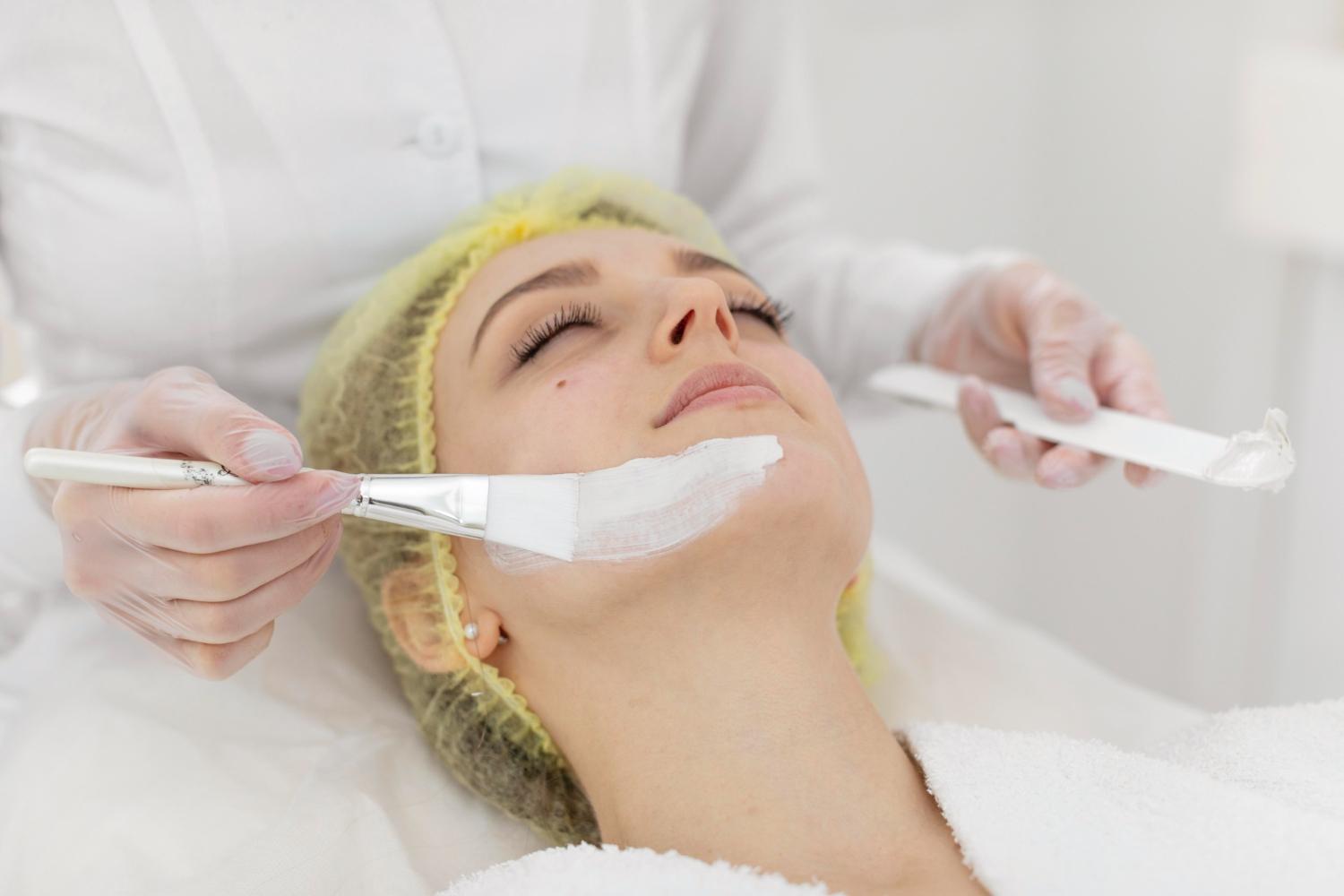
Chemical peels use acids to remove dead skin cells. They reveal fresher skin underneath. These treatments help with acne, dark spots, fine lines, and dull skin. You can choose light, medium, or deep peels based on your needs. Proper care before and after treatment gives you the best results.
Why Your Skin Needs a Fresh Start
Dark spots, fine lines, and dull skin affect millions of people. Your current skincare routine may not give you results. Chemical peels offer a proven solution for these common concerns. They work when done correctly. Let's explore how they work and transform your skin.
What Are Chemical Peels?
Chemical peels remove damaged outer layers using acid solutions. This treatment speeds up your skin's natural renewal process. Your body responds by creating fresh, healthy skin cells.
These treatments use acids to break down dead skin cells. The old cells peel away faster than normal. Your body makes new skin that looks smoother and even. The treatment also boosts collagen in deeper skin layers. This keeps your skin firm and young looking.
Types of Chemical Peels
Different chemical peels help you choose the right treatment. Each type penetrates to different depths in your skin. Your skin concerns and tolerance determine which peel works best.
Light Peels
Light peels use mild acids that only touch the surface. These peels work if you're new to treatments. You can return to your normal day right after. They help with dull skin and rough texture. Many people get these peels every few weeks. Regular treatments give you long-term results.
Medium Peels
Medium peels go deeper into your skin layers. They use stronger acids like TCA. These peels give more dramatic results than light ones. They work for sun damage and age spots. You'll need a few days to recover after treatment. Your skin will peel during this time.
Deep Peels
Deep peels use powerful solutions that reach deep layers. These peels fix severe wrinkles and deep scars. They also treat serious sun damage. Recovery takes several weeks for deep peels. Results can last for many years.
Benefits of Chemical Peels
Chemical peels offer multiple advantages for various skin concerns. They address issues that topical products struggle to fix. Results become visible within days to weeks after treatment.
Brighter and More Even Skin
Chemical peels fade dark spots and sun damage. They remove pigmented cells from your skin surface. Your skin tone becomes more uniform and bright. Many people see results after one treatment. Multiple sessions give you better improvements.
Clearer Skin and Fewer Breakouts
Chemical peels work for acne-prone skin. They unclog your pores and reduce oil production. They kill bacteria that cause pimples and breakouts. Salicylic acid peels work well for oily skin. They penetrate deep into oil-filled pores.
Smoother Skin and Softer Lines
Fine lines around your eyes and mouth fade. Chemical peels boost collagen production in your skin. This plumps your skin from the inside. Fine lines and crow's feet improve. Your skin texture becomes smoother.
Getting Ready for Your Peel
Proper preparation ensures better results and fewer complications. Your skin needs conditioning before receiving chemical peels. Most doctors recommend a preparation period of two to four weeks.
Start with a Consultation
A dermatologist or aesthetician will examine your skin. They'll ask about your concerns and medical history. They'll recommend the best peel for your needs. They'll also check if chemical peels are safe for you.
Prepare Your Skin Ahead
You'll use special products to condition your skin. These might include retinoids or gentle acids. This preparation helps the peel work better. It also reduces your risk of side effects.
Things to Avoid Before Treatment
Stop using harsh scrubs a few days early. Don't use retinoids right before your appointment. Avoid too much sun and always wear sunscreen. If you get cold sores, tell your doctor.
What Happens During Your Treatment
The treatment process is straightforward. Most chemical peels take 30 to 60 minutes to complete. The procedure is well-tolerated by patients.
Your face gets cleaned thoroughly before starting. The chemical solution is applied to your face. You might feel tingling or slight warmth. After the right time passes, the solution comes off. Your practitioner applies soothing products and sunscreen.
Taking Care of Your Skin After
Aftercare determines the success of your chemical peels treatment. Following your doctor's instructions prevents complications and improves results. Most side effects resolve within a week for light peels.
Keep Your Skin Moist and Protected
Use a gentle moisturizer while you heal. Pick fragrance-free products your doctor recommends. Sun protection is critical now. Wear SPF 50 sunscreen every day. Limit your time outdoors as much as possible.
What You Should Not Do
Don't pick at peeling skin. Let it fall off naturally to avoid scars. Skip makeup for the first day or two. Avoid hard workouts and hot showers temporarily. Stay away from pools and saunas while healing.
Simple Tips for Keeping Your Results
Maintaining your chemical peels results requires consistent skincare habits. Daily sun protection is the most important step. A good routine extends the benefits of your treatment.
-
Use a gentle cleanser morning and night
-
Apply hydrating serum before your moisturizer daily
-
Wear sunscreen every day
-
Schedule maintenance peels as your doctor recommends
-
Drink plenty of water throughout the day
-
Eat foods rich in antioxidants and vitamins
-
Get at least seven to eight hours of sleep
-
Be consistent with your routine
Is a Chemical Peel Right for You?
Chemical peels work for most people but aren't suitable for everyone. Certain medical conditions and skin types require special consideration. A professional evaluation determines if you're a good candidate.
Very sensitive skin might not handle them well. Pregnant or nursing women should avoid peels. Darker skin tones can benefit from chemical peels. But they need careful treatment. An experienced professional knows how to treat everyone safely.
How Often Should You Get Peels?
Treatment frequency depends on the type of chemical peels you choose. Light peels can be repeated more often than deeper treatments. Your skin's response guides the schedule for maintenance sessions.
Light peels can be done every three to four weeks. This regular schedule maintains your results. Medium peels need more time between sessions. Most people wait three to six months. Deep peels are done only once or rarely. Your practitioner will suggest the best plan for you.
Real Results You Can Expect
Chemical peels deliver noticeable improvements that vary by treatment depth. Most people see visible changes within one to two weeks. Realistic expectations help you stay satisfied with your progress.
Most people see brighter skin after one treatment. Dark spots fade gradually over multiple sessions. Fine lines soften and become less visible. Your skin texture becomes smoother and more refined. Pores look smaller and tighter over time. Talk with your practitioner about your goals.
Conclusion: Your Journey to Better Skin
Chemical peels are powerful tools for improving your skin. They address many concerns from dark spots to wrinkles. These treatments deliver results that creams alone cannot match. Choosing the right peel type is important. Working with qualified professionals is required. Following proper aftercare instructions matters.
Healthy skin takes time and commitment. Chemical peels give you a strong starting point. But maintaining results requires ongoing effort. You must protect your skin from the sun. You need to follow a good skincare routine. If your skin concerns persist, consider peels.
Talk to a dermatologist about your goals. Discuss whether chemical peels are right for you. Develop a personalized treatment plan. Your brightest, healthiest skin is possible. Take the first step today.

 English
 Arabic
 French
 Spanish
 Portuguese
 Deutsch
 Turkish
 Dutch
Dutch
 Italiano
 Russian
 Portuguese (Brazil)
 Greek
Greek