


Tax Consultant in Canada: Understanding Tax Responsibilities for Individuals, Families, and Businesses
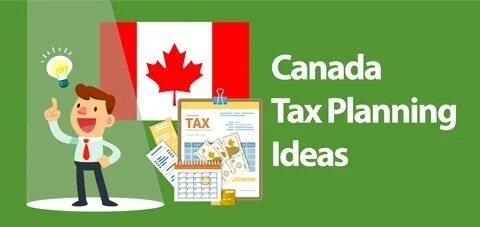
Taxes play a significant role in personal and business finances across Canada. Every year, individuals report employment income, investment earnings, rental income, or business profits while businesses meet corporate tax, payroll, and GST/HST obligations. Because tax legislation changes regularly, understanding reporting requirements and available tax-saving opportunities can be challenging without reliable guidance. Many taxpayers choose to consult a Canada tax consultant to better understand their responsibilities, remain compliant with Canada Revenue Agency (CRA) regulations, and make informed financial decisions throughout the year rather than only during tax season.
Why Tax Planning Is More Than Filing a Return
Many people associate taxes with completing an annual return before the filing deadline. While filing accurately is essential, tax planning is a continuous process that influences financial decisions throughout the year.
Good tax planning helps taxpayers:
- Understand future tax obligations
- Manage cash flow more effectively
- Prepare for major financial events
- Reduce avoidable filing errors
- Maximize eligible deductions and credits
- Support long-term financial goals
Whether someone is an employee, entrepreneur, retiree, or investor, proactive planning often leads to better financial outcomes.
What Is a Tax Consultant?
A tax consultant is a professional who specializes in interpreting tax legislation and applying it to real-life financial situations. Their role extends beyond completing tax forms because they also provide strategic advice designed to help clients comply with tax laws while improving overall financial efficiency.
Typical services include:
- Personal income tax planning
- Corporate tax consulting
- GST/HST compliance
- Payroll tax guidance
- Investment tax planning
- Retirement tax strategies
- Estate and succession planning
- Assistance with CRA correspondence
Rather than recommending aggressive tax avoidance strategies, qualified professionals focus on legitimate planning methods supported by Canadian tax law.
Canada's Tax System Explained
Canada has a multi-level tax system that combines federal and provincial or territorial taxation. Although the general principles are consistent across the country, tax rates and certain credits differ depending on where a taxpayer resides.
Some of the primary components include:
Personal Income Tax
Individuals pay tax on employment income, self-employment earnings, investment income, pensions, rental income, and other taxable sources.
Corporate Income Tax
Corporations calculate taxable income differently from individuals and must comply with additional reporting obligations.
Goods and Services Tax (GST/HST)
Many businesses are required to register for, collect, and remit GST or HST depending on revenue thresholds and business activities.
Payroll Obligations
Employers must withhold income tax, Canada Pension Plan (CPP) contributions, and Employment Insurance (EI) premiums from employee wages while remitting these amounts on time.
Understanding these obligations helps taxpayers avoid penalties and maintain compliance.
Benefits of Working With a Tax Professional
Professional tax guidance offers value beyond preparing annual returns.
Improved Accuracy
Tax legislation contains detailed rules regarding income reporting, deductions, and credits. Professional review helps reduce calculation and reporting errors.
Better Financial Planning
Tax implications influence investment decisions, retirement planning, business expansion, and property ownership. Considering taxes before making financial decisions often produces better long-term results.
Time Efficiency
Preparing financial records, calculating deductions, and understanding tax forms require considerable time. Tax professionals help streamline these responsibilities.
Compliance Support
Meeting CRA requirements involves accurate reporting, timely filing, and maintaining appropriate documentation. Professional advice reduces the likelihood of common compliance issues.
Who Can Benefit From Tax Consulting?
Tax consulting is valuable for a wide range of taxpayers.
Employees
Employees may require assistance with:
- Tax credits
- Employment expenses
- Multiple income sources
- Investment reporting
- Retirement planning
Self-Employed Individuals
Freelancers and contractors often manage additional responsibilities, including:
- Tracking business expenses
- Maintaining bookkeeping records
- Filing GST/HST returns
- Making quarterly tax installment payments
Proper organization simplifies reporting throughout the year.
Small Business Owners
Business owners regularly make decisions involving:
- Corporate taxation
- Payroll
- Cash flow management
- Equipment purchases
- Business expansion
Understanding tax consequences helps support informed decision-making.
Investors
Investment income may include:
- Interest
- Dividends
- Capital gains
- Foreign investments
Each type follows different reporting rules, making careful planning essential.
Common Tax Deductions
Tax deductions reduce taxable income when eligibility requirements are met.
Some frequently claimed deductions include:
RRSP Contributions
Contributions to a Registered Retirement Savings Plan can reduce taxable income while helping Canadians prepare for retirement.
Childcare Expenses
Eligible childcare costs incurred for employment, education, or business purposes may qualify as deductible expenses.
Business Expenses
Self-employed taxpayers may deduct reasonable costs related to earning business income, including:
- Office supplies
- Internet services
- Advertising
- Software subscriptions
- Professional memberships
- Business insurance
Maintaining complete documentation supports these claims.
Moving Expenses
Individuals relocating for qualifying employment or educational opportunities may deduct eligible moving expenses under CRA guidelines.
Why Recordkeeping Matters
Accurate financial records are one of the most important aspects of tax compliance. Keeping organized documents throughout the year makes tax preparation easier, supports deduction claims, and helps taxpayers respond efficiently if the CRA requests additional information.
Important records generally include:
- T-slips and income statements
- Bank statements
- Investment summaries
- Receipts
- Business invoices
- Payroll records
- Property-related documents
Developing consistent recordkeeping habits not only simplifies annual tax filing but also provides a clearer understanding of personal or business finances. Organized records make it easier to track income, monitor expenses, identify tax-planning opportunities, and prepare for future financial decisions with greater confidence.

 Arabic
 French
 Spanish
 Portuguese
 Deutsch
 Turkish
 Dutch
Dutch
 Italiano
 Russian
 Romaian
 Portuguese (Brazil)
 Greek
Greek