


Why Canine Taxidermy Is Gaining Popularity Among Pet Owners & Outdoor Enthusiasts
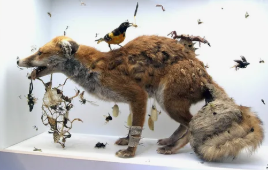
The practice of preserving dogs through taxidermy has moved from taboo to accepted over the past decade. More pet owners now consider this option when their companion dies, seeking a tangible way to keep their dog present in their home. Hunting dog owners have long preserved their best working dogs, but the trend now extends to family pets across all breeds and backgrounds.
Historical Context of Canine Preservation
Dog preservation dates back centuries, though it remained primarily a pursuit of royalty and the wealthy. Queen Victoria preserved her favorite dogs, as did many European nobles. These early specimens used rudimentary techniques that produced stiff, unnatural results by modern standards.
The practice fell out of favor during the mid-1900s. Cultural shifts made animal preservation seem morbid or eccentric. Few taxidermists offered the service, and those who did often faced criticism. Pet cremation and burial became the standard approaches for handling deceased animals.
The past 20 years have seen attitudes shift again. Improved taxidermy techniques produce more lifelike results. Social media exposure has normalized the practice, with owners sharing photos of preserved pets. What once seemed unusual now appears as a legitimate option for coping with loss.
The Emotional Connection Factor
Dogs occupy a position in modern households that previous generations would not recognize. They sleep in beds, eat premium food, and receive medical care rivaling human treatment. Many owners consider their dogs family members rather than pets. This relationship makes letting go extremely difficult.
Traditional disposal methods provide closure but offer nothing tangible afterward. A handful of ashes or a marker in a pet cemetery gives families a place to grieve, but the physical presence of the dog vanishes. Some owners find this transition too abrupt and painful.
Preservation allows the physical form to remain. Owners can see their dog, touch it, and maintain a connection to the animal. This option does not suit everyone, but for those who choose it, the comfort can be substantial. The preserved dog continues to occupy space in the home, creating a sense of ongoing presence.
Critics argue that preservation prevents proper grieving and moving forward. Supporters counter that grieving is personal and nonlinear. No single approach works for everyone. For some owners, having their dog preserved facilitates healing rather than preventing it.
Working Dog Legacy Preservation
Hunting dog owners have different motivations than pet owners. Their dogs are a symbol of years of training, breeding programs, and field performance. A finished retriever or pointing dog takes three to five years to develop. These animals have proven their genetics through performance, making them valuable beyond their role as companions.
Preserving a top working dog documents bloodlines and preserves traits for future reference. Breeders can study the physical structure of their best producers long after those dogs die. The preserved specimen serves as a three-dimensional record of conformation, coat, and characteristics.
Stories of legendary hunting dogs circulate within communities. Physical preservation gives these stories a tangible anchor. Visitors can see the dog being discussed, connecting the animal to the tales. This creates continuity between generations of hunters and helps younger hunters understand what made certain dogs exceptional.
Shops like Tori's Taxidermy see working dog requests alongside pet preservation. The technical requirements remain the same, but the display often differs. Working dogs may be shown in hunting poses, carrying game, or in positions that reflect their specialty. Pet dogs typically receive more peaceful, resting poses.
Technical Challenges Specific to Canines
Dogs present distinct challenges compared to wildlife taxidermy. Their anatomy varies significantly between breeds, requiring specialized forms or custom work. A Labrador and a Dachshund have completely different proportions. Standard wildlife forms do not adapt well to domestic dog variations.
Hair types differ across breeds as well. Long-coated breeds like Golden Retrievers need different handling than short-coated breeds like Beagles. Wire-haired terriers present great challenges. Each coat type requires specific techniques for proper preservation and presentation.
Many dogs receive extensive grooming during their lives. Owners expect the preserved dog to match their memory of the animal. This may mean the dog needs grooming before preservation or that the taxidermist must recreate specific styling. Show dogs with elaborate grooming patterns require extra attention to detail.
Dental issues in older dogs create additional work. Missing teeth, worn enamel, and dental disease affect the final result. Some taxidermists can add replacement teeth or restore worn ones. Others work with what the animal had at death, creating an accurate if less aesthetic result.
Size & Display Considerations
Large breed dogs like Great Danes, Mastiffs, and Saint Bernards create logistical challenges. The finished mount may weigh 100 pounds or more. Display options become limited. These mounts typically sit on custom platforms rather than heighted furniture.
Small and medium-sized dogs offer more flexibility in display. They can rest on furniture, shelves, or custom stands. The size makes it easier to integrate into living spaces without dominating the room. Moving or repositioning them remains practical if needs change.
Space requirements extend beyond the mount itself. The mount needs clearance around it for proper viewing and to prevent accidental contact. A 70-pound German Shepherd mount requires several square feet of dedicated floor space. Plan the display location before committing to preservation.
Transportation becomes a concern with large dogs. Moving a completed mount across the country or internationally requires careful packing and shipping arrangements. Some taxidermists specialize in creating custom crates for large specimens. The logistics add cost but protect the investment.
Cost & Investment Analysis
Canine preservation costs more than most people expect. Prices typically start at several thousand dollars and increase based on size, pose, and detail requirements. Large dogs can cost significantly more due to the additional materials and labor involved.
The cost reflects the work required. Preserving a dog takes 30 to 60 hours of skilled labor. Custom form work adds time. The tanning process alone requires several weeks. When viewed as an hourly rate for skilled artisan work, the pricing makes sense.
Comparing this cost to ongoing pet expenses provides perspective. Many dog owners spend thousands annually on food, medical care, and supplies. A one-time preservation cost is a permanent memorial versus temporary expenses. For owners who want this option, the value justifies the investment.
Payment plans may be available through some taxidermists. The work timeline spans several months, allowing costs to spread out. Discussing financial arrangements during the initial consultation prevents misunderstandings later.
Selection of Taxidermists
Not all taxidermists work on domestic animals. Some refuse pet work due to the emotional intensity of working with someone's companion. Others specialize in pet preservation, knowing the sensitivity required when handling these cases.
Experience with dogs specifically matters when selecting a taxidermist. Wildlife experience does not automatically translate to domestic animals. Review examples of previous dog work. Look for natural positioning, proper proportions, and realistic expressions.
Communication style indicates how the working relationship will develop. Pet preservation requires more interaction than wildlife work. The taxidermist needs to understand the dog's personality and habits to create an accurate representation. Choose someone willing to discuss details and answer questions throughout the process.
Location factors into the decision for some clients. Using a local taxidermist allows in-person meetings and easier drop-off. Remote work requires shipping the deceased animal, which some owners find difficult. Weigh convenience against quality. The best taxidermist may not be local, but the results justify the extra effort.
Ethical Considerations & Criticism
Pet preservation generates strong opinions. Some people view it as a beautiful tribute while others consider it disturbing. These reactions often stem from cultural backgrounds, personal experiences, and attitudes toward death and mourning.
Animal rights activists sometimes criticize pet taxidermy, though the practice uses animals that died naturally or were euthanized for medical reasons. No animals are killed for preservation. The process gives meaning to the animal's physical form after death rather than discarding it.
Religious and cultural beliefs affect acceptance of preservation. Some traditions prohibit keeping remains in the home. Others have no such restrictions. Individuals should consider their own beliefs and family dynamics before pursuing this option.
Children's reactions to a preserved pet vary widely. Some find comfort in the familiar form. Others find it confusing or upsetting. Parents should consider their children's ages and emotional maturity when making this decision. Open communication about what to expect helps prevent negative reactions.
Alternatives & Combinations
Preservation is one option among several for memorializing pets. Some owners choose to preserve only the skull, creating a cleaner, less lifelike display. Others create freeze-dried mounts, a different preservation method that maintains pose but uses a different process.
Combining approaches allows multiple tributes. An owner might preserve their dog while also having a painting commissioned or creating a shadow box with the collar and favorite toy. These combinations honor the relationship in various ways without relying solely on physical preservation.
Some taxidermists work with Tori's Taxidermy and similar specialists to offer clients multiple options. This allows owners to make informed decisions about what best serves their needs. Having access to various approaches ensures the final choice truly fits the situation.
The Decision Timeline
Most taxidermists recommend making the preservation decision before the dog dies. This allows proper planning and preparation. When a dog dies unexpectedly, getting the body to a taxidermist quickly becomes necessary to prevent decomposition.
Veterinarians can refrigerate deceased pets temporarily if contacted promptly. This buys time for making decisions and contacting taxidermists. Some veterinary offices have relationships with local preservation specialists and can facilitate connections.
The preservation process takes four to eight months on average. This timeline includes tanning, mounting, and finishing work. Rush services may be available for additional fees, but quality work cannot be truly rushed. Set realistic expectations about when the finished mount will be ready.
Maintenance & Longevity
Properly maintained taxidermy can last indefinitely. The mount needs protection from direct sunlight, high humidity, and insect activity. Regular dusting keeps the coat looking fresh. These basic care requirements ensure the mount remains in good condition.
Dogs with long coats may need occasional grooming even after preservation. Gently brushing the coat prevents tangling and maintains appearance. Use soft brushes and work carefully to avoid pulling out hair. The grooming becomes part of caring for the memory.
Environmental control matters more than specific cleaning routines. Keep the mount in stable temperature and humidity. Avoid placing it near heating vents, fireplaces, or drafty windows. The same conditions comfortable for humans work well for preserved specimens.
Over time, colors may fade slightly even with proper care. Professional restoration can refresh the mount after many years. Some taxidermists offer maintenance services or can recommend specialists. Planning for eventual restoration extends the mount's display life.
Social Acceptance & Sharing
Owners who preserve their dogs often face questions from visitors. Some people will understand immediately while others may react with surprise or discomfort. Preparing to explain your decision helps manage these interactions.
Social media has created communities of pet preservation supporters. Online groups share photos, recommendations, and support. These communities help normalize the practice and provide resources for those considering it. Finding others who have made similar choices reduces feelings of isolation.
Professional settings require consideration. A preserved pet might work well in a home office but could seem inappropriate in a formal business environment. Consider the context and audience when deciding where to display the mount.
Growth in the Industry
More taxidermists now offer pet services than a decade ago. Training programs include domestic animal work in their curriculum. Suppliers produce forms for common dog breeds. This growth indicates sustained demand and increased acceptance.
Quality standards have improved with increased competition. Taxidermists specializing in pet work compete on craftsmanship and customer service. This benefits consumers through better results and more options. The industry continues to develop techniques specific to domestic animals.
Future trends may include digital scanning to create exact replicas of pets. Some companies already offer 3D-printed pet recreations. However, traditional taxidermy maintains appeal for those wanting the actual animal preserved. Both approaches will likely coexist, serving different segments of the market.
The increasing popularity of canine taxidermy reflects broader changes in how society views pets and mourning. As attitudes continue to shift, preservation will likely become an even more accepted option for remembering beloved companions.

 English
 French
 Spanish
 Portuguese
 Deutsch
 Turkish
 Dutch
Dutch
 Italiano
 Russian
 Romaian
 Portuguese (Brazil)
 Greek
Greek