


A Practical Guide to Choosing the Right Cardboard Packaging for Your Business
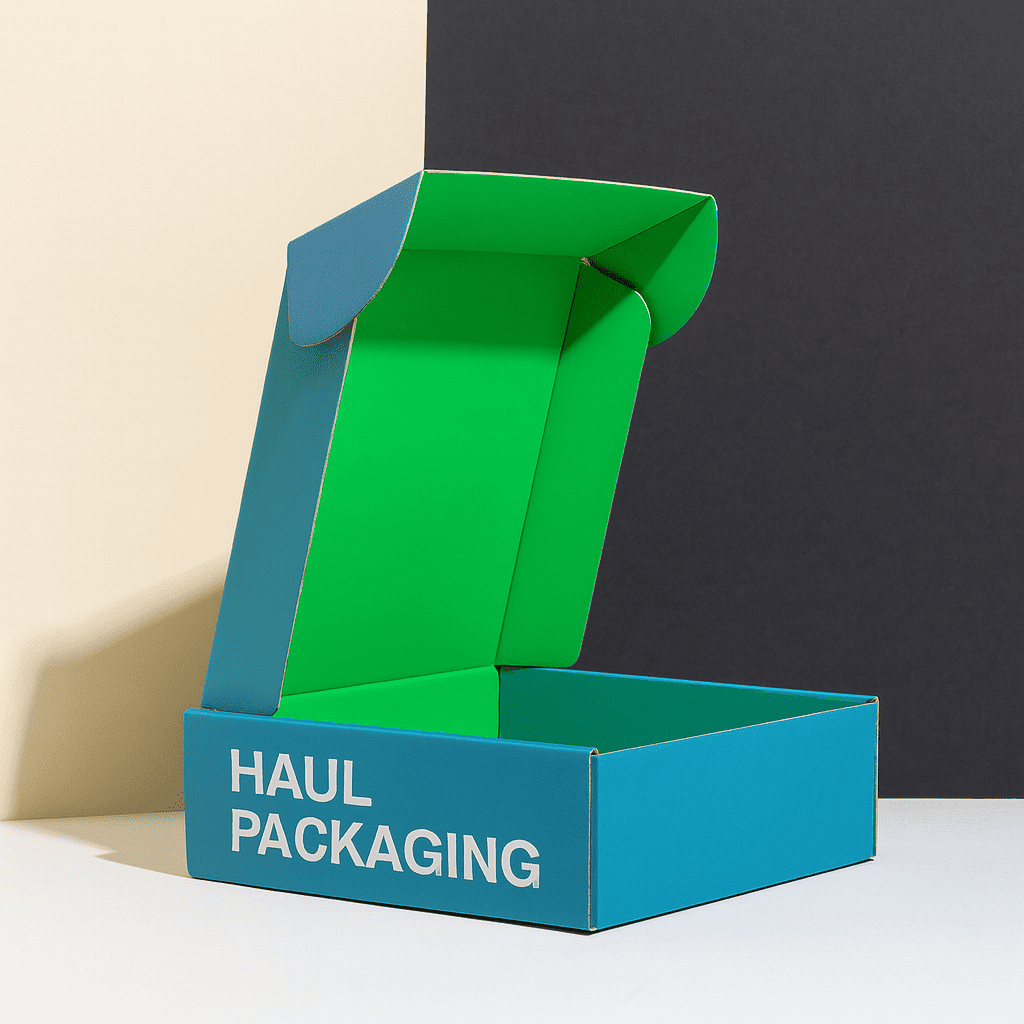
Good packaging has become essential for businesses of every size. Whether you sell handmade products, baked goods, cosmetics, electronics, or retail items, the box you choose affects everything from customer satisfaction to shipping safety to brand reputation. Many businesses that want an affordable yet customizable option turn toward custom cardboard boxes, but choosing the right type requires a bit of knowledge.
This guide breaks down the important factors every business owner should consider before selecting cardboard packaging. It’s designed to help beginners, small brands, and even established sellers make smarter decisions that benefit both their product and their customers.
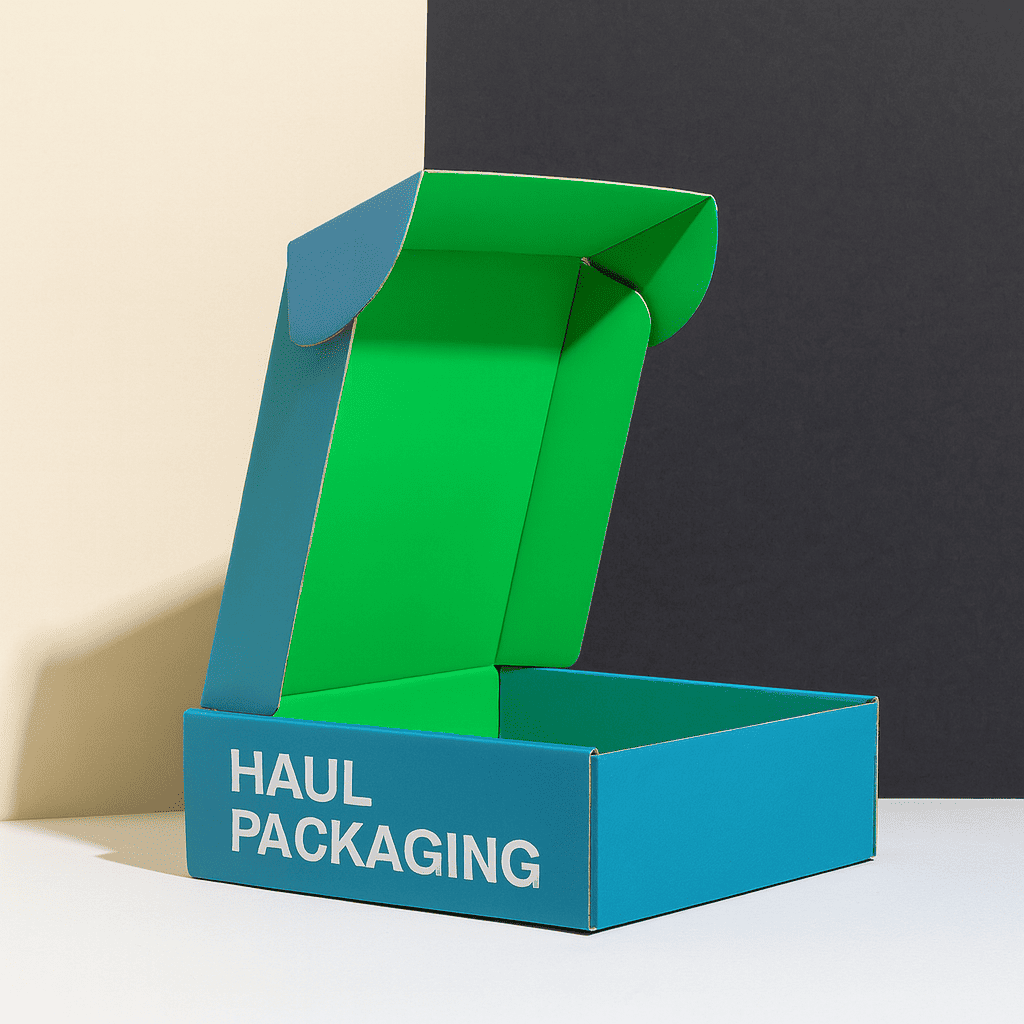
1. Understand Your Product’s Weight and Fragility
Every product has different packaging needs. Before choosing any type of cardboard packaging, ask yourself:
● Is the product lightweight or heavy?
● Does it have sharp edges or delicate parts?
● Can it break easily during delivery?
● Will it be shipped long-distance or only for local delivery?
Heavier or delicate products need stronger cardboard walls and secure locking systems. Lightweight items can use simpler structures.
Some sellers assume one type of box works for all products, but that often leads to damage complaints and customer dissatisfaction. Understanding the product’s nature is the first step to choosing reliable packaging.
2. Know the Difference Between Cardboard Types
All cardboard is not the same. Here are the three main categories:
A. Single-wall cardboard
Perfect for:
● lightweight items
● local deliveries
● retail shelf packaging
B. Double-wall cardboard
Best for:
● medium to heavy items
● fragile products
● shipping through courier services
C. Corrugated cardboard (fluted)
Ideal for:
● long-distance shipping
● e-commerce deliveries
● large or bulky products
Businesses looking for both flexibility and durability often choose custom cardboard boxes, because they can be designed to match the exact strength required.
3. Consider the Box Size Carefully
Many businesses lose money because they use packaging that is either too large or too small. A perfectly sized box helps:
● reduce shipping costs
● prevent product movement
● protect the product from damage
● improve appearance
● reduce material waste
Oversized boxes make products look small and unprofessional. Undersized boxes risk crushing or damaging the contents.
Always measure your product and leave space only for necessary padding, not more.
4. Focus on Branding and Printing Options
Today’s customers judge brands by how the packaging looks. Clean, attractive, and well-printed boxes help build trust.
You may want to consider:
● logo placement
● color schemes
● matte or glossy finish
● minimalistic design
● eco-friendly look
● printed product details
● QR codes or brand stories
Cardboard is one of the easiest materials to print on, which makes it ideal for businesses trying to build identity on a budget.
Professional suppliers like Haul Packaging offer full customization options to create packaging that matches your brand’s personality.
5. Evaluate the Opening and Closing Style
How a box opens affects customer satisfaction more than people realize. Think about:
● tuck-top
● auto-lock bottom
● magnetic closure
● drawer style
● gable style
● lid-and-base style
Each structure offers different benefits. For example:
● Tuck-top works well for food items.
● Auto-lock bottom is good for heavier products.
● Drawer style gives a premium feel.
Choosing the right structure can enhance the unboxing experience and make your product look more professional.
6. Think About the Customer’s Experience
When a customer receives a package, they form an opinion within seconds. Ask yourself:
● Does the box feel sturdy?
● Is it easy to open?
● Is the interior clean and well-organized?
● Does the design reflect your brand message?
Customers often comment on packaging in reviews. Well-designed boxes lead to better feedback and repeat purchases, while poor packaging can hurt your brand even if the product is good.
This is why many small and medium businesses upgrade to custom cardboard boxes as they grow it improves perception instantly.
7. Check for Sustainability Options
Modern customers expect eco-friendly packaging. Cardboard is naturally recyclable and biodegradable, which is why many brands prefer it over plastic.
You can also enhance sustainability by choosing:
● kraft-based cardboard
● soy-based inks
● minimalistic printing
● reusable structures
Eco-friendly packaging appeals strongly to conscious consumers, especially in skincare, cosmetics, clothing, handmade crafts, and organic goods.
8. Compare Costs but Don’t Compromise Quality
Budget matters, but selecting the cheapest packaging often causes:
● damaged deliveries
● poor reviews
● product returns
● higher replacement costs
Instead of choosing the lowest price, look for:
● fair pricing
● good material strength
● reliable structure
● customization options
● reasonable minimum order quantities
Suppliers who balance cost with quality save businesses far more money in the long run.
9. Order Samples Before Finalizing
Even the best design can feel different in real life. Always order samples to check:
● thickness
● printing clarity
● color accuracy
● structural strength
● ease of assembly
● interior space
Sampling prevents mistakes and ensures the final box truly matches your product.
Final Thoughts
Cardboard packaging remains one of the most versatile and affordable options for businesses. By understanding your product’s needs, choosing the right structure, and investing in strong, branded packaging, you can dramatically improve customer satisfaction and brand image.
With professional suppliers like Haul Packaging, businesses can get high-quality boxes tailored to their products helping them ship confidently and present their brand beautifully.
The right box doesn’t just protect the product.
It protects the reputation of the business.

 English
 Arabic
 French
 Spanish
 Portuguese
 Deutsch
 Dutch
Dutch
 Italiano
 Russian
 Romaian
 Portuguese (Brazil)
 Greek
Greek