


Masked Bee Melbourne: How to Safely Manage Bee Activity on Your Property
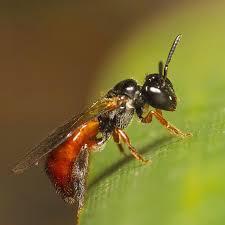
Native bees are an important part of Melbourne's environment, helping to pollinate flowers, gardens, and native vegetation. Among these beneficial pollinators are masked bees, a small and often misunderstood species that many homeowners mistake for pests. While masked bees are generally harmless, increased bee activity around your property can raise concerns, particularly if they begin nesting near homes, schools, or commercial buildings.
Understanding how to manage bee activity safely is essential for protecting your family while preserving Australia's native pollinators. Professional bees control Melbourne services can accurately identify bee species, assess potential risks, and recommend environmentally responsible solutions suited to your property.
What Are Masked Bees?
Masked bees belong to the Hylaeus genus and are native to Australia. Unlike European honey bees, they are solitary insects, meaning each female builds and maintains her own nest instead of living in a large colony.
These bees are recognised for their:
- Small, slender bodies
- Black colouring with white or yellow facial markings
- Gentle temperament
- Excellent pollination abilities
- Preference for flowering native plants
Because they are quiet and non-aggressive, many people don't notice them until bee activity increases around a specific area.
Why Are Masked Bees Important?
Masked bees play a valuable role in Melbourne's ecosystem by pollinating native plants, fruit trees, vegetable gardens, and ornamental flowers.
Their benefits include:
- Supporting healthy plant growth
- Improving biodiversity
- Assisting native vegetation to reproduce
- Helping maintain productive home gardens
Protecting native bee populations benefits both the environment and local communities.
Where Are Masked Bees Commonly Found?
If you've noticed a masked bee Melbourne population around your property, they are likely attracted by flowering plants or suitable nesting sites.
Common locations include:
- Residential gardens
- Native bushland
- Public parks
- Flower beds
- Vegetable gardens
- Commercial landscapes
- Nature reserves
They are particularly active during spring and summer when flowers are in full bloom.
Where Do Masked Bees Nest?
Unlike honey bees, masked bees do not build large hives.
Instead, they prefer small sheltered cavities such as:
- Hollow plant stems
- Timber fence posts
- Small holes in brickwork
- Wooden garden furniture
- Dead branches
- Cracks in outdoor structures
Because these nests are well hidden, homeowners often notice only repeated bee activity entering and leaving the same location.
Are Masked Bees Dangerous?
Masked bees are among Australia's least aggressive native bees.
They rarely sting because they have no colony to defend. Most people can safely observe them without any risk.
However, professional assistance may be necessary if:
- Bees nest near entrances or walkways.
- Activity increases significantly.
- Family members have bee allergies.
- Children or pets frequently use the affected area.
- The bee species cannot be identified.
Professional inspections help determine whether management or simple monitoring is the most appropriate option.
How to Safely Manage Bee Activity
If you notice masked bees around your property, avoid disturbing them unnecessarily.
Instead:
- Observe bee activity from a safe distance.
- Keep children and pets away from nesting sites.
- Avoid spraying insecticides.
- Do not block nest entrances.
- Arrange a professional bees control Melbourne inspection if activity continues or increases.
Responsible management protects both people and beneficial pollinators.
Why DIY Bee Removal Can Cause Problems
Although masked bees are generally harmless, attempting to remove them yourself may create unnecessary risks.
DIY removal can:
- Harm protected native bees.
- Damage nesting sites.
- Cause accidental stings.
- Fail to solve the problem permanently.
- Disturb surrounding wildlife.
Experienced technicians can identify the species correctly and recommend the safest course of action.
When Should You Call a Professional?
Professional assistance is recommended when:
- Bee activity becomes persistent.
- Bees enter roof cavities or wall voids.
- Multiple nesting sites appear.
- The species is unknown.
- You have concerns about safety.
Homeowners seeking bee removal Campbellfield often arrange inspections for bee activity around warehouses, roof spaces, timber fencing, and established gardens. Early inspections can prevent small nesting issues from becoming more difficult to manage.
Likewise, residents requiring bees removal Moonee Ponds can benefit from prompt professional assessments to identify nesting locations and minimise disruption to their homes or businesses.
Preventing Future Bee Activity
Simple maintenance can reduce the likelihood of bees nesting close to your property.
Helpful prevention measures include:
- Repair damaged timber.
- Seal unnecessary wall and roof openings.
- Remove decaying wood where practical.
- Trim overgrown vegetation near buildings.
- Regularly inspect sheds and outdoor structures.
- Schedule routine bees control Melbourne inspections if you've experienced previous bee activity.
Preventative maintenance is often the easiest way to reduce future nesting opportunities.
The Importance of Protecting Native Bees
Although professional management is sometimes necessary, native bees should always be protected whenever possible.
Environmentally responsible bee specialists prioritise:
- Accurate species identification
- Safe relocation where appropriate
- Minimal environmental impact
- Long-term property protection
- Conservation of native pollinators
Balancing public safety with environmental responsibility benefits both property owners and Melbourne's ecosystems.
Key Takeaways
- Masked bees are gentle native pollinators that rarely become aggressive.
- They usually nest in small cavities rather than large hives.
- Most masked bees do not require removal unless they create safety concerns.
- Professional bees control Melbourne services provide accurate identification and responsible management.
- Early inspections help prevent larger nesting problems.
- Protecting native bees supports Melbourne's biodiversity.
Conclusion
Masked bees are a valuable part of Melbourne's natural environment and provide important pollination services throughout the region. While they are generally harmless, nests located near homes, businesses, or high-traffic areas should be professionally assessed to ensure the safety of occupants while preserving these beneficial insects.
Whether you require reliable bees control Melbourne, trusted bee removal Campbellfield, or professional bees removal Moonee Ponds, experienced bee specialists can provide safe, environmentally responsible solutions tailored to your property's unique needs.

 Arabic
 French
 Spanish
 Portuguese
 Deutsch
 Turkish
 Dutch
Dutch
 Italiano
 Russian
 Romaian
 Portuguese (Brazil)
 Greek
Greek