


How an Auto Accident Attorney Helps You Prove Negligence and Strengthen Injury Claim
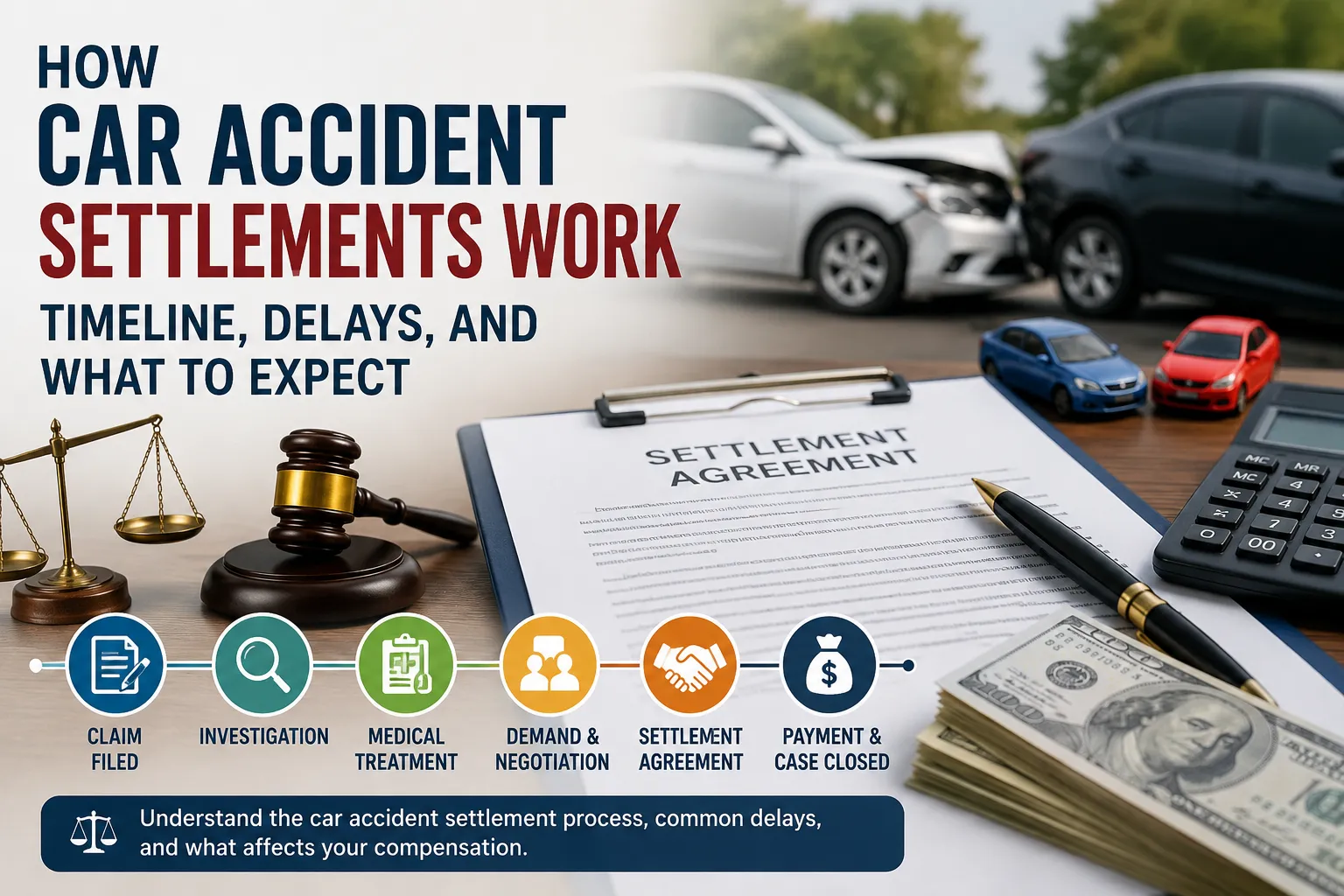
A car accident can change your life in a matter of seconds. Beyond the immediate shock and physical injuries, many victims are left dealing with medical bills, lost income, vehicle repairs, and complicated insurance claims. One of the most important parts of any personal injury case is proving negligence. Without sufficient evidence, even a valid claim can become difficult to resolve.
An experienced accident attorney understands how to investigate collisions, identify the responsible party, and gather the evidence needed to support a claim. Whether the accident involved distracted driving, speeding, or another form of careless behavior, proving negligence is often the key to recovering fair compensation.
If you are unsure how negligence is established after a crash, this guide explains the process and highlights the steps that can help protect your legal rights.
What Is Negligence in a Car Accident Case?
Negligence occurs when a driver fails to exercise reasonable care and that failure causes another person to suffer injuries or financial losses.
Examples of negligent driving include:
- Distracted driving
- Speeding
- Running red lights
- Failing to yield
- Following too closely
- Driving under the influence
- Unsafe lane changes
- Ignoring traffic signs
Every accident is different, but proving negligent conduct is often necessary to pursue compensation.
The Four Elements Needed to Prove Negligence
Most personal injury claims are built around four essential legal elements.
Duty of Care
Every driver has a legal responsibility to operate a vehicle safely and follow traffic laws.
Breach of Duty
The injured person must show that the other driver failed to meet that responsibility through careless or reckless actions.
Causation
It must be demonstrated that the driver's actions directly caused the accident and resulting injuries.
Damages
Finally, there must be evidence showing that the accident resulted in measurable losses such as medical expenses, lost wages, or pain and suffering.
Strong documentation supporting each element helps build a more persuasive claim.
Evidence That Can Help Establish Negligence
Insurance companies rely heavily on evidence when evaluating claims.
Useful evidence may include:
Police Reports
An official accident report often contains observations, diagrams, witness information, and citations issued at the scene.
Photographs and Videos
Images of vehicle damage, road conditions, skid marks, traffic signs, and injuries can provide valuable context.
Witness Statements
Independent witnesses may help explain how the collision occurred and support your version of events.
Medical Records
Medical documentation connects injuries to the accident and demonstrates the extent of treatment required.
Traffic Camera or Dashcam Footage
Video evidence can provide an objective view of the collision and may clarify disputed facts.
Common Situations Where Negligence Is Disputed
Insurance companies do not always accept liability immediately.
They may argue that:
- The injured driver contributed to the accident.
- Road conditions were responsible.
- The injuries existed before the collision.
- Medical treatment was unnecessary or excessive.
- There is insufficient evidence to prove fault.
Carefully preserving evidence can help address these arguments.
How an Auto Accident Attorney Investigates a Crash
A detailed investigation often includes:
- Reviewing police reports
- Interviewing witnesses
- Obtaining surveillance footage
- Inspecting vehicle damage
- Working with accident reconstruction specialists
- Reviewing medical documentation
- Examining electronic vehicle data when available
This investigation helps create a clear picture of how the accident occurred.
What Compensation May Be Available?
Every claim is different, but compensation may include:
Medical Expenses
Emergency treatment, surgery, hospital stays, rehabilitation, physical therapy, prescription medication, and future medical care.
Lost Income
Victims who miss work because of their injuries may seek compensation for lost wages and reduced future earning capacity.
Property Damage
Repair or replacement of a damaged vehicle and other personal property may be recoverable.
Pain and Suffering
Physical pain, emotional distress, reduced mobility, and loss of enjoyment of life are often considered when evaluating damages.
Other Financial Losses
Depending on the circumstances, additional expenses related to transportation, home modifications, or long-term care may also be recoverable.
Mistakes That Can Make Negligence Harder to Prove
Even a strong case can become more difficult if important steps are overlooked.
Avoid these common mistakes:
- Waiting too long to seek medical treatment
- Failing to report the accident
- Not taking photographs of the scene
- Ignoring follow-up medical appointments
- Posting details of the accident on social media
- Accepting an early settlement without understanding the full extent of your injuries
Taking prompt action helps preserve valuable evidence.
Why Early Legal Guidance Matters
The sooner an attorney becomes involved, the easier it is to secure evidence before it is lost or destroyed.
Early legal assistance may help:
- Preserve surveillance footage
- Obtain witness statements
- Organize medical documentation
- Communicate with insurance companies
- Prevent avoidable claim errors
- Build a stronger case from the beginning
Acting quickly often improves the overall quality of the evidence available.
Practical Steps You Can Take After a Car Accident
To strengthen your claim:
- Call law enforcement immediately.
- Seek prompt medical attention.
- Photograph the accident scene.
- Collect witness contact information.
- Save all medical bills and treatment records.
- Keep copies of insurance correspondence.
- Document missed work and related expenses.
- Consult an attorney before accepting a settlement offer.
These practical steps can help support a successful injury claim.
Final Thoughts
Proving negligence is one of the most important aspects of any car accident claim. Without clear evidence, insurance companies may challenge liability or undervalue legitimate injuries. Understanding how negligence is established—and preserving the right documentation from the beginning—can significantly improve your ability to recover fair compensation.
An experienced auto accident attorney can investigate the collision, gather evidence, negotiate with insurance companies, and advocate for your interests throughout the legal process. By taking prompt action and staying informed, you place yourself in the best position to protect your rights and pursue the financial recovery you deserve.

 Arabic
 French
 Spanish
 Portuguese
 Deutsch
 Turkish
 Dutch
Dutch
 Italiano
 Russian
 Romaian
 Portuguese (Brazil)
 Greek
Greek