


The State of VT Forestry: Economics, Conservation & Sustainable Forest Management
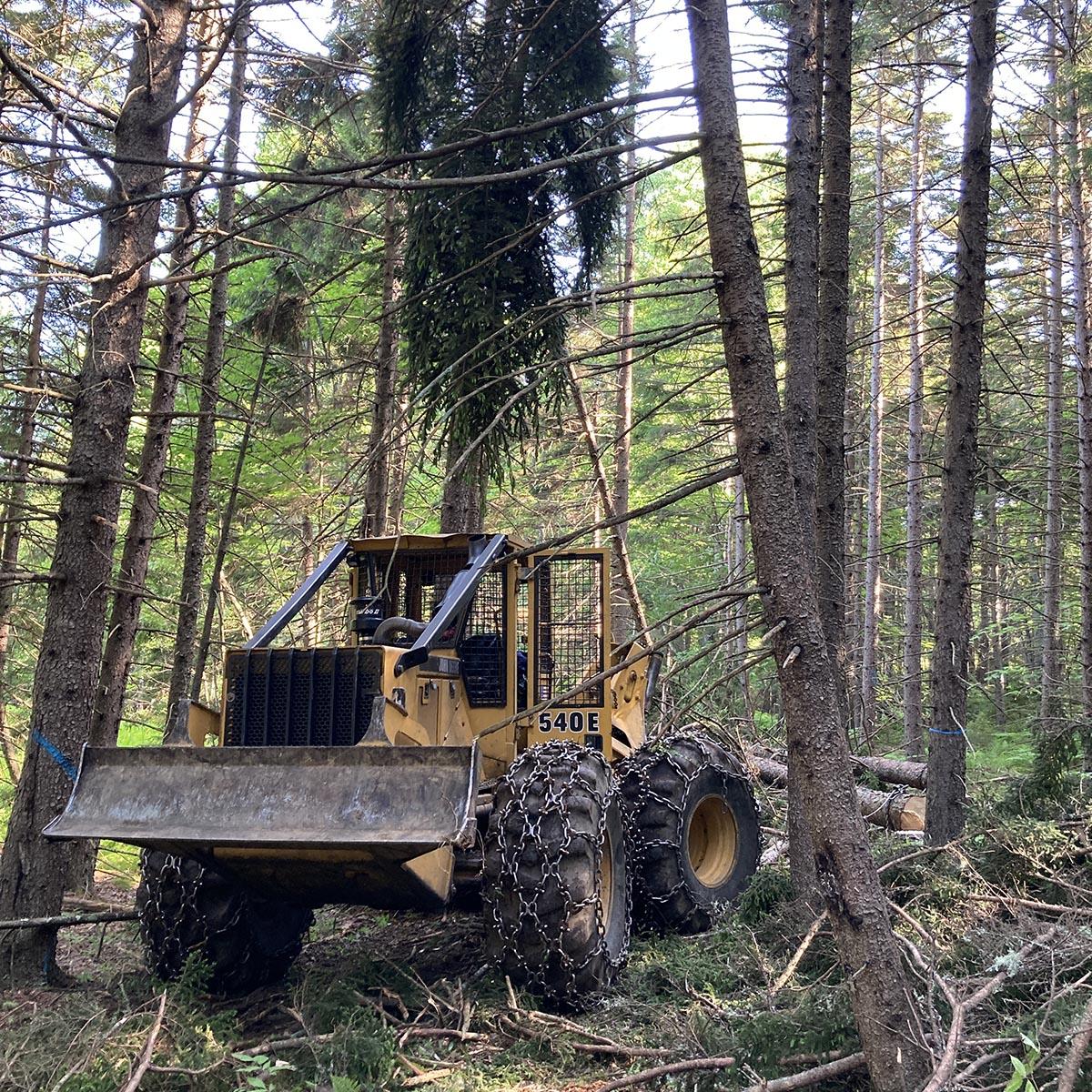
Vermont is home to vast forested landscapes, covering roughly three-quarters of the state. These forests are not only scenic but essential for ecology, local communities, and the economy. VT forestry encompasses the management, conservation, and sustainable use of these woodlands to balance human needs with environmental preservation.
Why Vermont’s Forests Matter
Vermont’s forests provide numerous ecological benefits. They:
-
Serve as habitats for diverse wildlife
-
Protect water quality and reduce soil erosion
-
Absorb carbon, helping mitigate climate change
-
Offer spaces for recreation, education, and outdoor activities
These functions make forests integral to both environmental health and community well-being.
Economic Role of Vermont’s Forests
Forests in Vermont support economic activity through logging, timber processing, and forest product industries. Recreational activities such as hiking, hunting, and birdwatching also generate revenue for local communities. Sustainable forestry ensures that forests continue to provide resources while maintaining ecological integrity.
Land Ownership and Forest Stewardship
A large portion of Vermont’s forests is privately owned, making responsible land management essential. Many landowners practice selective harvesting, reforestation, and habitat protection. By balancing use with conservation, these practices maintain forest health while providing long-term benefits for communities and ecosystems.
Challenges Facing Vermont Forests
VT forestry faces several ongoing challenges:
-
Development pressures: Suburban expansion can fragment forests and impact wildlife habitats.
-
Invasive species: Non-native plants and pests threaten native trees.
-
Climate change: Altered precipitation and temperature patterns affect species composition and forest health.
Addressing these issues requires careful planning, conservation, and research-driven management.
Principles of Sustainable Forest Management
Sustainable forestry focuses on long-term ecological, economic, and social benefits. Key practices include:
-
Selective harvesting: Removing trees while preserving forest structure
-
Reforestation and regeneration: Ensuring continuous forest growth
-
Soil and water protection: Minimizing erosion and protecting waterways
-
Biodiversity conservation: Maintaining habitats for native species
These practices help forests remain resilient and productive over time.
Forests and Climate Resilience
Vermont’s forests play an important role in climate resilience. Healthy forests sequester carbon, regulate water cycles, and reduce erosion. Proper management enhances these benefits, helping forests withstand environmental changes while continuing to support communities and ecosystems.
Future Outlook
The future of Vermont’s forests relies on private stewardship, education, and sustainable practices. By prioritizing conservation, managing challenges, and applying research-based strategies, forests can continue to provide ecological, recreational, and economic benefits. Maintaining this balance is essential for the long-term health of Vermont’s landscapes.
Conclusion
Vermont’s forests are vital to the environment, economy, and society. VT forestry ensures these forests remain healthy and resilient through sustainable practices and careful management. By protecting and managing forests thoughtfully, Vermont can preserve its natural heritage and continue to benefit both people and wildlife for generations.

 English
 Arabic
 French
 Spanish
 Portuguese
 Turkish
 Dutch
Dutch
 Italiano
 Russian
 Romaian
 Portuguese (Brazil)
 Greek
Greek