


Can Faded or Torn Photos Really Be Restored to Their Original Look?
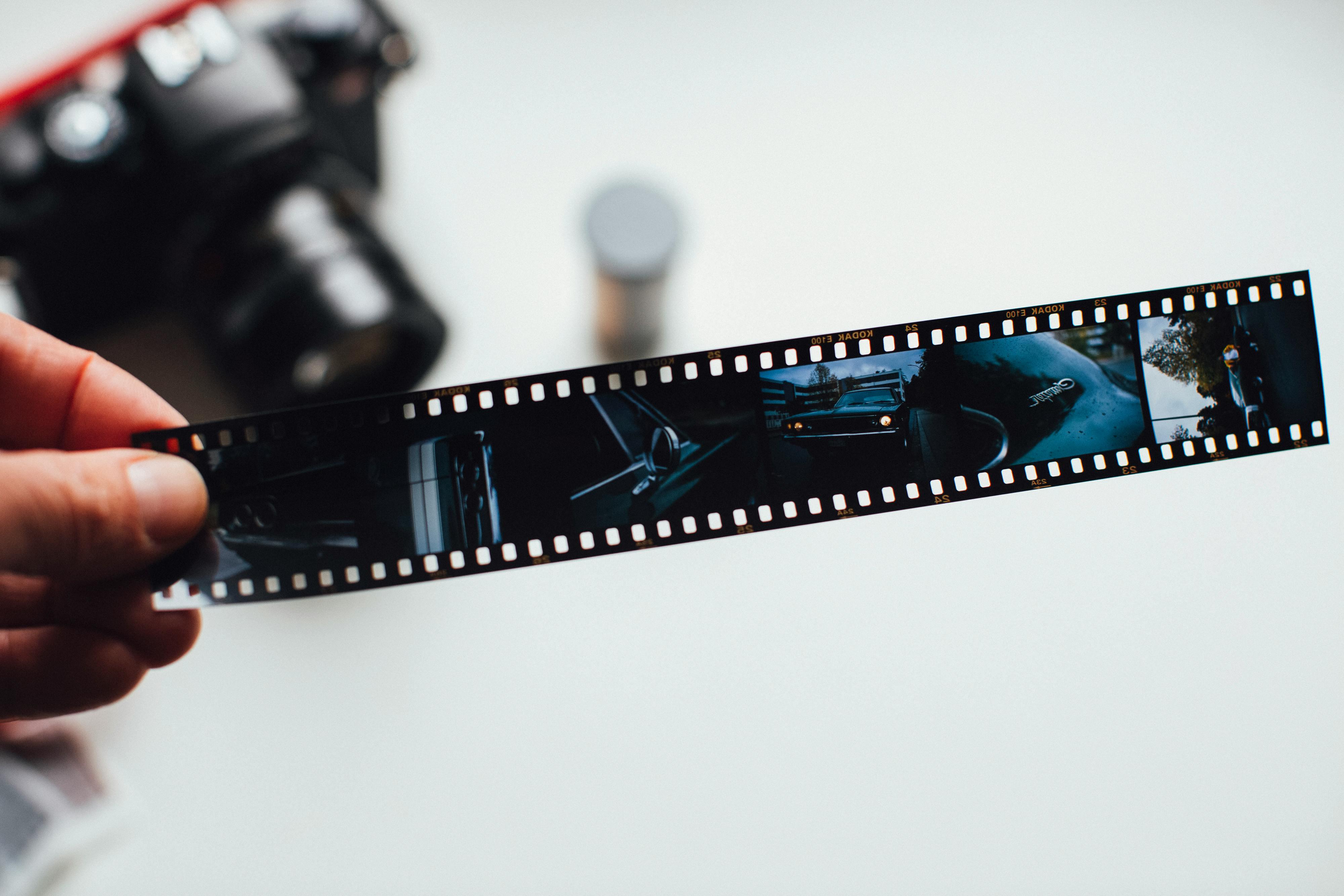
Old photographs often hold priceless memories, but time is not always kind to them. Fading, discoloration, tears, stains, and scratches can make once-clear images almost unrecognizable. This leads many people to wonder whether these damaged photos can truly be restored. Thanks to modern old photo restoration techniques, the answer is often yes—with impressive accuracy.
Why Old Photos Fade or Get Damaged
Photographs are sensitive to environmental conditions. Over time, they can suffer from:
-
Sunlight exposure
-
Moisture and humidity
-
Acidic paper or album materials
-
Handling and bending
-
Mold or chemical decay
These factors cause fading, color shifts, tears, and physical deterioration.
What Modern Restoration Can Fix
Color Restoration
Professionals can restore faded colors, correct discoloration, and bring vibrancy back to photographs that have turned yellow, blue, or dull over the years.
Repairing Tears, Creases, and Rips
Digital restoration tools allow experts to fill in missing pieces, blend torn edges, and remove crease lines to create a seamless final image.
Removing Scratches, Stains, and Dust
Stains from water, fingerprints, mold, and dirt can be digitally removed. Spots and scratches can also be cleaned without affecting the original details.
Rebuilding Missing or Damaged Areas
With advanced techniques, restoration specialists can reconstruct:
-
Missing backgrounds
-
Facial features
-
Clothing details
-
Cropped or torn corners
This is especially useful when sections of the photo are missing.
Sharpening and Enhancing Clarity
Old or blurry photos can be sharpened, smoothed, and improved to make subjects more recognizable while maintaining a natural look.
What Restoration Cannot Fully Recreate
Although old photo restoration is powerful, it does have limits:
-
Severely blurred faces may not regain perfect detail
-
Entirely missing subjects cannot be perfectly reconstructed without reference images
-
Extremely low-quality originals may only show moderate improvement
Restoration improves and repairs—it does not magically create new real-world information that never existed in the photo.
Why Digital Restoration Is More Effective Than Physical Repair
Digital restoration is non-destructive, meaning:
-
Your original photo remains untouched
-
You can make unlimited copies
-
The restored version can be saved, printed, or shared easily
This method captures the photo at high resolution and works on a digital copy, preserving both the past and the edited present.
When Restoration Offers Dramatic Results
The most surprising transformations often come from:
-
Heavily faded black-and-white photos
-
Damaged family portraits
-
Vintage photos from the early 1900s
-
Photos affected by water or mold
With professional tools and expertise, these images can look significantly closer to their original condition.
Final Thoughts
Yes, faded or torn photos can often be restored to a remarkably original look. Modern old photo restoration techniques allow professionals to repair physical damage, revive colors, remove stains, and reconstruct missing areas. While not every photo can be made perfect, most can be transformed into clear, vibrant images that preserve your memories for generations.

 English
 Arabic
 French
 Spanish
 Portuguese
 Deutsch
 Turkish
 Dutch
Dutch
 Italiano
 Russian
 Portuguese (Brazil)
 Greek
Greek