


Emergency Roof Repair: Protecting Your Home When Disaster Strikes
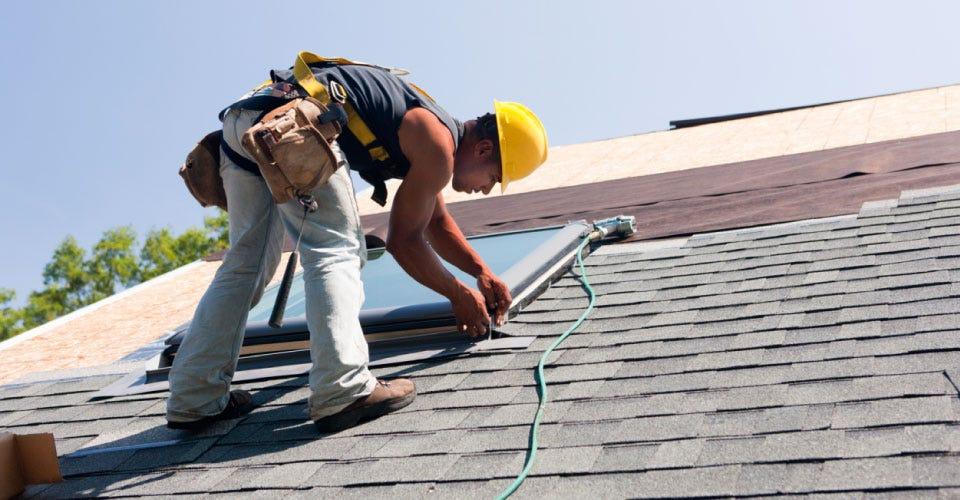
A roof is one of the most critical components of a home. It shields you from the elements, maintains the structural integrity of your house, and contributes significantly to your property's overall value. Yet, despite its importance, many homeowners neglect regular maintenance until a problem becomes urgent. When a roof begins to fail suddenly due to severe weather, falling debris, or age-related damage, immediate action is essential. This is where emergency roof repair comes into play.
Understanding Roof Emergencies
A roof emergency is any situation where your home is at risk due to sudden roof damage. Common causes include:
-
Severe weather: High winds, heavy rain, hailstorms, and snow can compromise roofing materials and expose your home to leaks and water damage.
-
Fallen trees or debris: Storms can dislodge branches or entire trees that can puncture or tear the roof.
-
Structural failure: Over time, a roof can deteriorate due to material aging, poor installation, or lack of maintenance, leading to sudden collapses or leaks.
-
Fire or accidents: Unexpected incidents such as electrical fires or accidents can damage the roof and require immediate attention.
Recognizing the signs of an urgent roofing issue is crucial. These may include visible leaks, sagging areas, missing shingles, holes, or water stains on ceilings and walls. Ignoring these warning signs can lead to more extensive damage, mold growth, and higher repair costs.
Immediate Steps to Take
When faced with a roof emergency, your priority should be safety. Here are essential steps homeowners should take before professionals arrive:
-
Evacuate unsafe areas: If part of the roof is sagging or has partially collapsed, avoid staying in affected rooms. Structural instability can lead to injuries.
-
Protect belongings: Move furniture, electronics, and other valuables away from the affected area. Use tarps or plastic sheeting to cover items that cannot be relocated.
-
Temporary leak prevention: For minor leaks, placing buckets or containers under drips can help prevent water damage. A waterproof tarp can be secured temporarily over a damaged section if safe to do so.
-
Document damage: Take photos of the roof and interior damage for insurance purposes. Accurate records help expedite claims and repair approvals.
Why Timely Repairs Matter
Addressing roofing emergencies promptly is essential for several reasons:
-
Prevent further structural damage: Water intrusion can weaken walls, ceilings, and insulation, potentially compromising the home's structural integrity.
-
Reduce mold and mildew growth: Moisture from leaks creates a breeding ground for mold, which can harm your family’s health and damage your home.
-
Maintain property value: Homes with unresolved roof damage often see a decrease in market value. Immediate repairs help protect your investment.
-
Lower long-term costs: Acting quickly can prevent minor issues from escalating into extensive repairs, saving money in the long run.
Professional Emergency Services
Hiring professional roofing contractors for urgent repairs is highly recommended. Experienced professionals bring specialized tools, materials, and expertise to address both immediate issues and prevent future problems. Key services include:
-
Roof inspections: Experts can quickly assess the extent of damage and identify areas at risk.
-
Temporary stabilization: Contractors can install tarps or reinforce weakened sections to prevent further deterioration.
-
Permanent repairs or replacements: Once immediate threats are managed, professionals can repair shingles, tiles, flashing, gutters, or entire roof sections.
Choosing a reliable contractor ensures safety, efficiency, and high-quality workmanship. Licensed and insured roofing professionals also provide guarantees, giving homeowners peace of mind.
Common Roofing Materials and Emergency Solutions
Different Emergency Roof Repair materials require unique approaches during emergencies:
-
Asphalt shingles: Quick replacement of missing or broken shingles prevents leaks. Temporary patches can be applied to minor damage.
-
Metal roofing: Dents or punctures caused by debris can be sealed temporarily with metal patches and sealants until permanent repairs are possible.
-
Flat roofs: Membrane tears or ponding water require swift attention to avoid leaks. Roofing specialists can apply temporary coverings until a full repair is scheduled.
Understanding your roof type helps determine the most effective emergency response and prevents ineffective temporary fixes that might worsen the problem.
Insurance and Emergency Roof Repair
Homeowners’ insurance often covers sudden and accidental roof damage, such as that caused by storms, falling objects, or fire. Filing a claim promptly is crucial:
-
Contact your insurance company immediately after the damage occurs.
-
Provide detailed documentation including photographs, videos, and written descriptions of damage.
-
Avoid unauthorized permanent repairs before approval. Temporary fixes are generally allowed to prevent further damage.
-
Work with licensed contractors recommended by your insurance provider to ensure compliance with coverage requirements.
Understanding your insurance policy and acting swiftly can streamline claims and minimize out-of-pocket expenses.
Conclusion
A roof emergency is a situation no homeowner wants to face, but being prepared can make all the difference. Recognizing the signs, taking immediate safety measures, contacting professional contractors, and coordinating with insurance providers ensures your home remains protected. Regular maintenance and inspections reduce the likelihood of sudden crises, but when emergencies occur, swift and professional action is crucial. Protecting your roof means safeguarding your family, property, and peace of mind.

 English
 Arabic
 French
 Portuguese
 Deutsch
 Turkish
 Dutch
Dutch
 Italiano
 Russian
 Romaian
 Portuguese (Brazil)
 Greek
Greek