


Hydraulic Lift Manufacturers: Role in Modern Material Handling
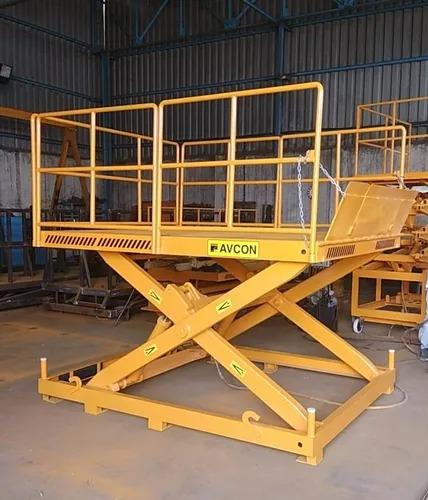
Hydraulic lifts have become an essential component in modern industrial operations, offering a practical solution for moving heavy loads safely and efficiently. With the growing demand for reliable lifting solutions across warehouses, factories, and logistic centers, understanding the role of hydraulic lift manufacturers has never been more important. This blog delves into the technology behind hydraulic lifts, their types, applications, and what to consider when engaging with manufacturers in this field.
What is a Hydraulic Lift?
A hydraulic lift is a type of mechanical device that uses hydraulic power to raise, lower, or move heavy objects. The core principle behind hydraulic lifts is Pascal's Law, which states that pressure applied at one point in a confined fluid is transmitted equally in all directions. In practical terms, this means that a relatively small force applied to a piston can be converted into a much larger lifting force through hydraulic fluid, allowing heavy materials to be moved with minimal effort.
Hydraulic lifts are commonly used in various industries, including automotive workshops, warehousing, manufacturing units, and construction sites. Their versatility and reliability make them a preferred choice for lifting operations requiring precision and safety.
Types of Hydraulic Lifts
Hydraulic lifts come in multiple configurations depending on their intended application. Manufacturers design these lifts to meet different operational requirements, load capacities, and working environments. The most common types include:
1. Scissor Lifts
Scissor lifts use crisscrossing metal supports that extend and retract to raise or lower the platform. The hydraulic system powers this movement, providing smooth and controlled lifting. These lifts are widely used in warehouses, maintenance, and construction for vertical lifting of goods or personnel.
2. Hydraulic Car Lifts
Automotive workshops commonly use hydraulic car lifts for vehicle maintenance and inspection. These lifts can raise vehicles to a comfortable working height, allowing mechanics to work safely under cars. They are designed with safety locks and load-balancing mechanisms to prevent accidents.
3. Dock Lifts and Loading Platforms
Hydraulic dock lifts are used in logistics and warehousing for transferring goods between different floor levels. They provide a smooth transition between a loading dock and vehicles, ensuring safe and efficient material handling.
4. Hydraulic Elevators
In commercial and residential buildings, hydraulic elevators are a common alternative to traditional cable-driven elevators. They offer quiet operation, smooth movement, and energy efficiency for low to mid-rise buildings.
5. Industrial Lift Tables
These lifts are designed for precise positioning of heavy loads in assembly lines, production units, and material handling zones. They allow for adjustable working heights, reducing operator strain and improving productivity.
Components of a Hydraulic Lift
A hydraulic lift is composed of several key components that work together to facilitate smooth operation:
- Hydraulic Cylinder: The core component that converts hydraulic pressure into mechanical force.
- Pump: Generates the necessary fluid pressure for lift operation.
- Reservoir: Stores hydraulic fluid for the system.
- Control Valve: Regulates the flow of hydraulic fluid, controlling the lift's movement.
- Piston and Platform: Transfers the force to the object being lifted.
- Safety Mechanisms: Locks, overload sensors, and emergency stop features ensure safe operation.
Understanding these components helps in evaluating the quality and reliability of hydraulic lifts provided by manufacturers.
Applications Across Industries
Hydraulic lifts are widely applied across various sectors due to their efficiency, safety, and versatility. Key applications include:
- Automotive Industry: Vehicle maintenance, inspection, and repairs using hydraulic car lifts.
- Warehousing and Logistics: Efficient handling of pallets and heavy goods using hydraulic dock lifts and lift tables.
- Manufacturing Units: Positioning and moving heavy machinery or assembly line components.
- Construction Sites: Elevating materials to different floor levels using mobile hydraulic lifts.
- Retail and Commercial Spaces: Hydraulic elevators and goods lifts provide vertical transport for customers and stock.
By improving efficiency and safety, hydraulic lifts play a crucial role in reducing manual labor, minimizing operational risks, and enhancing productivity across industries.
Factors to Consider When Choosing Hydraulic Lift Manufacturers
Selecting the right hydraulic lift manufacturer is a crucial step for businesses aiming to implement reliable lifting solutions. Key considerations include:
1. Experience and Expertise
Manufacturers with extensive experience in designing and producing hydraulic lifts are likely to offer more reliable, durable, and safe solutions. Expertise in customizing lifts to meet specific operational needs can significantly enhance efficiency.
2. Compliance with Safety Standards
A reputable hydraulic lift manufacturer ensures that their products comply with local and international safety standards. This includes features like overload protection, emergency stop systems, and regular quality checks.
3. Range of Products
A comprehensive product range allows businesses to select lifts suited to their unique operational requirements. Manufacturers offering scissor lifts, dock lifts, industrial lift tables, and car lifts provide a one-stop solution for diverse industrial needs.
4. After-Sales Support and Maintenance
Hydraulic lifts require regular maintenance to function optimally. Manufacturers offering dedicated after-sales support, service contracts, and readily available spare parts ensure long-term reliability.
5. Customization Capabilities
Every industry has specific lifting requirements. Manufacturers capable of providing customized solutions—including varying load capacities, platform sizes, and hydraulic configurations—offer greater operational flexibility.
6. Technological Innovation
Advancements in hydraulic technology, such as energy-efficient pumps, automated control systems, and IoT-enabled monitoring, enhance the performance and efficiency of lifts. Partnering with manufacturers embracing innovation can provide long-term benefits.
Maintenance of Hydraulic Lifts
Proper maintenance is critical for hydraulic lifts to ensure safety and longevity. Regular inspection of hydraulic fluid levels, cylinder integrity, pump functionality, and safety mechanisms is essential. Preventive maintenance, such as cleaning, lubrication, and timely replacement of worn-out parts, can prevent unexpected failures and costly downtime.
Training operators in correct usage and safety protocols is equally important. Improper operation, overloading, or neglecting maintenance schedules can reduce the lifespan of hydraulic lifts and increase the risk of accidents.
Emerging Trends in Hydraulic Lift Technology
The hydraulic lift industry is evolving with technological advancements. Some notable trends include:
- Energy Efficiency: New hydraulic systems are designed to minimize power consumption and reduce environmental impact.
- Automation: Integration with automated material handling systems improves precision and reduces labor costs.
- Smart Lifts: IoT-enabled lifts provide real-time monitoring of load, usage patterns, and maintenance needs.
- Compact Designs: Space-saving hydraulic lifts are increasingly favored for warehouses and industrial facilities with limited space.
These trends highlight the continuous innovation in hydraulic lift manufacturing, offering businesses smarter, safer, and more efficient lifting solutions.
Conclusion
Hydraulic lifts are an indispensable part of modern material handling, offering versatile solutions for various industries. Understanding the role of hydraulic lift manufacturers helps businesses make informed decisions when selecting the right equipment. By considering factors such as experience, safety standards, product range, after-sales support, and technological innovation, companies can ensure efficient, reliable, and safe lifting operations.
As industries continue to evolve, hydraulic lift manufacturers play a vital role in supporting productivity, safety, and operational efficiency, making them an integral partner in modern industrial i

 English
 Arabic
 French
 Spanish
 Portuguese
 Deutsch
 Turkish
 Dutch
Dutch
 Italiano
 Russian
 Romaian
 Greek
Greek