


Winter Tracksuit for Men: A Sizing and Fit Guide That Actually Helps
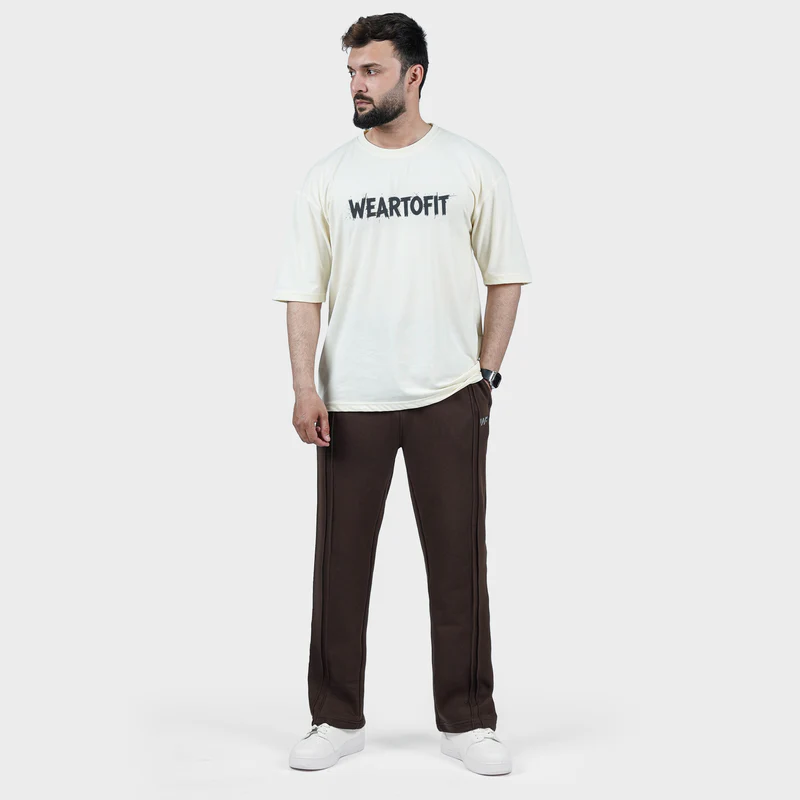
Ordering online means you cannot try before you buy, and nothing ruins a good winter tracksuit for men faster than sleeves that stop short of your wrist or joggers that pool around the ankles. Getting the fit right matters even more in winter, since a tracksuit that is too tight restricts layering while one that is too loose lets cold air in around the cuffs and waist. A little attention to sizing charts and fit types saves you an exchange and a week without a proper winter outfit.
Why Standard Sizing Charts Are Only a Starting Point
Most brands list chest and waist measurements, but rarely explain how much room the fit itself adds on top of those numbers. A regular fit winter tracksuit for men typically adds two to three inches of ease at the chest for comfortable movement, while an athletic or tapered cut sits closer to the body with almost no extra room. Always measure your actual chest and waist first, then compare against the brand's specific chart rather than guessing from a generic size label.
Choosing Between Regular, Relaxed, and Loose Fit Trousers
The trouser half of a tracksuit matters as much as the jacket, and this is where loose fit trousers for men come into the conversation. Loose fit trousers work well for men who want maximum comfort and do not mind extra fabric around the ankle, but they are a poor match if you are layering thermals underneath, since the extra bulk can make the whole outfit look shapeless.
• Regular fit: balanced room, works for most body types
• Relaxed or loose-fit style: best for lounging, less ideal for active days
• Tapered fit: cleaner silhouette, good for layering thin thermals underneath
Sleeve and Ankle Length: The Most Commonly Ignored Detail
A tracksuit jacket sleeve should reach the wrist bone without bunching, and joggers should sit just above the shoe without dragging on the ground. Men often size up purely for a warmer feel, but this usually just adds excess fabric at the sleeves and ankles rather than actual warmth, since heat retention comes from fabric weight, not looseness.
Dragging ankle fabric is also a practical problem in winter, since hems that touch the ground pick up mud and water far faster on Pakistani streets after rain or morning dew. A jogger that sits cleanly above the ankle bone avoids this almost entirely, and it is one of the easiest things to check even from a product photo showing the fit on a model.
How to Check Fit Without Trying It On
Lay a tracksuit you already own flat and measure the chest width, sleeve length, and inseam, then compare those numbers directly against the size chart of the one you are about to buy. This takes two extra minutes but prevents the most common mistake in online tracksuit shopping — assuming your usual size in one brand automatically matches another. Different manufacturers cut their patterns differently, so a medium from one label can easily match a large from another, even within Pakistani brands using similar fabric weights.
Adjusting for Layering Without Buying a Bigger Size
If you plan to wear a full sleeves shirt or thermal underneath, look for a winter tracksuit for men with slightly more room in the shoulders rather than sizing up the entire set. Elasticated waistbands and drawstring joggers also make it easier to layer without needing loose fit trousers for men that end up too baggy once the extra layers come off in spring.
Final Thoughts
Getting the fit right on a winter tracksuit for men is less about guessing your usual size and more about measuring, checking sleeve and ankle length, and deciding upfront whether you need room for layering. Loose fit trousers for men suit a relaxed, lounging style, while a tapered cut works better for anyone who wants a cleaner look on active winter days. A few extra minutes with a tape measure before you order almost always beats dealing with a return.
Frequently Asked Questions
1. Should I size up for extra warmth in winter?
Not usually. Warmth comes from fabric weight, not looseness, so sizing up mainly adds bulk without meaningfully improving warmth.
2. Are loose fit trousers good for daily wear?
They work well for lounging or casual errands, but a regular or tapered fit is often more practical for active days or layering.
3. How do I measure sleeve length correctly?
Measure from the shoulder seam to the wrist bone on a jacket you already own that fits well, then compare that number to the new size chart.
4. What if my chest and waist sizes fall into different size categories?
Size for the chest first in a jacket, since a slightly looser waist is easier to manage than tight shoulders that restrict movement.

 English
 Arabic
 Spanish
 Portuguese
 Deutsch
 Turkish
 Dutch
Dutch
 Italiano
 Russian
 Romaian
 Portuguese (Brazil)
 Greek
Greek