


How Private Labels Customise Cotton Fabric in Australia for Unique Prints
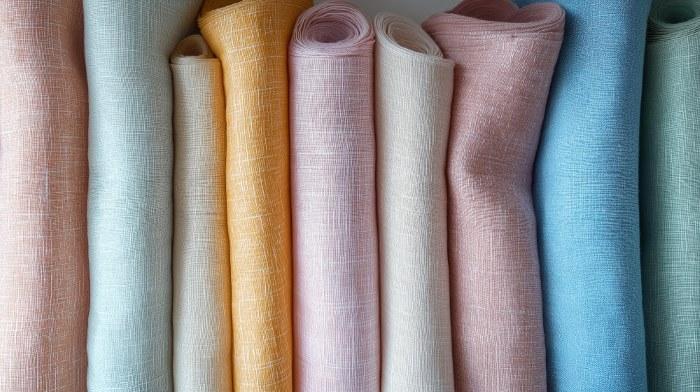
Private label customization is rapidly gaining ground in Australia's fashion industry. Brands are increasingly seeking ways to stand out, and unique fabric prints offer a direct path to creating a distinct identity. By taking control of the design process, businesses can offer exclusive products that capture their specific brand aesthetic. This approach allows for greater creative freedom and helps build a loyal customer base that values originality. For many brands, cotton is the fabric of choice for this process.
This post will detail how private labels customize cotton fabric in Australia to produce unique prints. We'll cover the benefits of cotton, the customization process, sourcing, quality control, and how to navigate common challenges. This guide will provide the information needed to leverage private label fabric customization for your brand.
Why Cotton Fabric is Ideal for Printing
Cotton is a natural fiber known for its versatility, comfort, and durability, making it a preferred material for clothing and textiles. Its inherent properties make it exceptionally suitable for printing, which is why it's a staple for brands looking to create custom designs.
Key benefits of using cotton for fabric printing include:
- High Absorbency: Cotton fibers absorb dyes and pigments effectively, resulting in vibrant, long-lasting colors. This ensures that custom prints appear sharp and true to the original design.
- Softness and Breathability: As a soft, breathable material, cotton is comfortable to wear. This makes it a practical choice for a wide range of apparel, from everyday t-shirts to more structured garments.
- Durability: Cotton is a strong fiber that can withstand regular washing and wearing. Prints on high-quality cotton fabric in Australia maintain their appearance over time, which reflects well on the brand's commitment to quality.
- Versatility: Cotton is available in numerous weaves and weights, such as poplin, twill, and jersey. This variety allows brands to select the perfect texture and drape for their specific design concepts, from lightweight summer dresses to durable outerwear.
These qualities make cotton a reliable and effective canvas for private label brands aiming to produce high-quality, uniquely printed apparel.
The Customization Process for Cotton Fabric
Creating unique prints on cotton fabric involves a structured process that takes a design from concept to a finished product. Private labels follow these key steps to ensure their vision is accurately brought to life.
Step 1: Design and Concept Development
The process begins with a design idea. Brands create a unique pattern or graphic that aligns with their collection's theme and target audience. This design is then formatted into a digital file, often using software like Adobe Illustrator or Photoshop. It is crucial that the digital file is high-resolution and prepared in a repeat pattern if it is intended to cover the fabric continuously.
Step 2: Choosing the Right Cotton Fabric
Selecting the appropriate cotton base is a critical decision. Brands must consider the fabric's weight, weave, and finish. For instance, a lightweight cotton poplin is ideal for crisp shirting, while a softer cotton jersey is better suited for casual t-shirts. Many suppliers offer fabric swatches in Australia, allowing designers to feel the material and see how it takes color before committing to a larger order. When you buy fabric online, requesting swatches is a vital step in quality assurance.
Step 3: Selecting a Printing Method
Several printing methods are available, each with its own set of advantages. The choice depends on the design's complexity, the quantity of fabric needed, and the desired final look.
-
Digital Printing: This method works like a standard inkjet printer, applying dye directly onto the fabric. It is perfect for complex, multi-colored designs and small production runs because it requires minimal setup. Digital printing offers excellent detail and color accuracy.
-
Screen Printing: This technique involves pushing ink through a mesh screen onto the fabric. A separate screen is needed for each color in the design. Screen printing is cost-effective for larger quantities and produces vibrant, durable prints. It is particularly good for designs with bold shapes and a limited color palette.
Step 4: Sampling and Strike-Offs
Before full production begins, a sample print, known as a "strike-off," is created. This small piece of printed fabric allows the brand to review the color accuracy, print quality, and design placement. It’s an essential quality control checkpoint. Based on the strike-off, adjustments can be made to the digital file or ink colors to ensure the final product meets expectations.
Step 5: Production and Finishing
Once the strike-off is approved, full-scale production can proceed. After printing, the fabric undergoes finishing processes. This may include heat setting to cure the ink, washing to remove excess dye, and softening treatments to enhance the fabric's feel. These final touches ensure the cotton fabric in Australia is ready for garment manufacturing.
The Importance of Sourcing and Quality Control
Sourcing high-quality raw materials is fundamental to the success of any private label. The quality of the base cotton fabric in Australia directly impacts the final garment's look, feel, and durability. Brands must partner with reliable suppliers who can provide consistent materials that meet their standards.
Quality control should be implemented at every stage of the customization process. This includes:
- Verifying Fabric Specifications: Checking that the base cotton matches the required weight, thread count, and composition.
- Inspecting Strike-Offs: Carefully reviewing sample prints for any flaws in color or clarity.
- Monitoring Production: Ensuring that the printing process is consistent across the entire fabric run.
Partnering with an experienced fabric customization provider like Fabriclore can simplify this process. They offer a wide selection of materials and have established quality control systems to ensure a premium final product. Other suppliers, such as Silk World or Nerida Hansen Fabrics, also offer options for brands looking to buy fabric online.
Examples of Private Label Cotton Customizations
Many successful Australian brands have built their identity around unique prints on cotton fabric. For example, a children's wear brand might create a whimsical collection featuring custom-printed characters on soft cotton jersey. By using exclusive designs, they create a strong brand narrative that connects with parents and children alike.
Similarly, a contemporary womenswear label could develop a signature abstract print on cotton poplin for a line of shirts and dresses. This unique print becomes a recognizable element of the brand, setting it apart from mass-market competitors. These examples show how customized cotton fabric in Australia can be a powerful tool for brand differentiation.
Common Challenges and Solutions in Cotton Fabric Printing
Brands may encounter a few challenges during the fabric customization journey.
-
Color Matching Issues: The color seen on a screen may not perfectly match the printed fabric.
-
Solution: Always request a physical strike-off. Use Pantone color codes in your design files to provide a standardized color reference for the printer.
-
-
Minimum Order Quantities (MOQs): Many manufacturers require large minimum orders, which can be a barrier for small startups.
-
Solution: Look for suppliers who specialize in working with independent brands and offer lower MOQs. Digital printing is often a more viable option for small runs compared to screen printing.
-
-
Design Flaws: Issues like incorrect pattern repeats or low-resolution files can lead to poor print quality.
-
Solution: Double-check all design files before submitting them. Work with an experienced textile designer to ensure your artwork is properly prepared for printing.
-
The Value of Customization
Ultimately, private label cotton customization offers a powerful way for brands to create truly unique products. The process allows for complete creative control, from the initial design concept to the final printed fabric. By managing each step carefully and prioritizing quality, brands can develop a signature aesthetic that resonates with their audience and stands out in a crowded market. Whether you need to order fabric swatches in Australia to start or are ready to buy fabric online for your next collection, investing in custom prints is an investment in your brand's identity and long-term success.

 English
 Arabic
 French
 Portuguese
 Deutsch
 Turkish
 Dutch
Dutch
 Italiano
 Russian
 Romaian
 Portuguese (Brazil)
 Greek
Greek