


Luxury watch part replacements: preserve precision, protect provenance
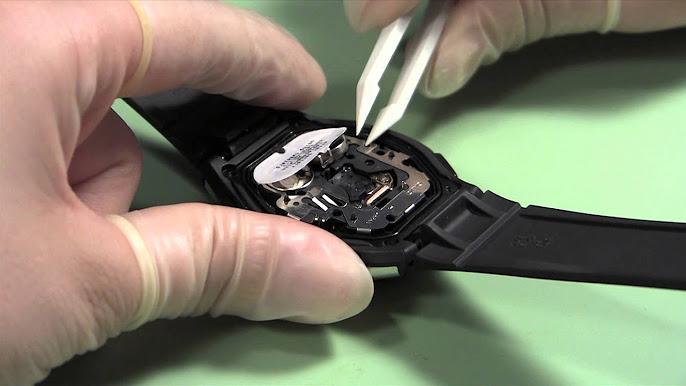
Luxury watches are more than instruments that tell time — they’re engineering statements, wearable art, and often family heirlooms. When a tiny component fails, the decision to replace it is rarely a purely mechanical one. Luxury watch part replacements sit at the intersection of function, aesthetics and value. The wrong choice can reduce water resistance, change the way a watch wears and even diminish resale prospects. The right choice restores reliability, preserves character and keeps the story of the watch intact. This post explains the most commonly replaced parts, how to choose components, what to ask your watchmaker, and how to make replacement decisions that protect both performance and provenance.
Why parts matter in luxury watches
High-end timepieces are engineered to microscopic tolerances. Materials, finishes and fits are chosen deliberately — from the alloy in a balance wheel to the bevel on a case edge. Replacing a component is not just swapping one piece for another; it’s restoring the relationships a maker designed into the whole watch. A mismatched crown can compromise water resistance; a poorly finished replacement dial can read as “off” even if the movement runs perfectly. For collectors, originality is often as important as operation. That’s why careful sourcing, correct fitment and transparent documentation are essential to any luxury watch part replacement.
Parts most commonly replaced — and why
-
Gaskets and seals. These inexpensive rubber or silicone components protect the movement from moisture and dust. Over time they harden and fail. Periodic gasket replacement is preventative insurance against corrosion — the most destructive problem a watch can face.
-
Crystals. A cracked or deeply scratched crystal impairs legibility and can let particles or moisture into the case. Replacing the crystal restores both function and looks, but must be done so the new crystal seats correctly and maintains the watch’s pressure rating.
-
Crown and stem. The crown is the user interface of the watch — winding, setting and sealing all pass through it. A worn or stripped crown/stem assembly risks further damage and water ingress. Replacements must replicate the original thread geometry and sealing design.
-
Mainsprings, escape wheels and balance components. These movement parts wear or fail through use or shock. Replacing them is typically part of a full service and must be done with compatible, high-quality components to preserve accuracy and longevity.
-
Bracelet links, pins and clasps. Wearable parts affect comfort and security. Authentic replacements preserve fit and the aesthetic the maker intended.
-
Dials and hands. Damage here affects both utility and collector value. For vintage pieces, conserving original patina is often preferred over replacement; when replacement is necessary, period-correct parts preserve character.
OEM vs high-quality alternatives
Whenever possible, original equipment manufacturer (OEM) parts are preferable — they match factory tolerances, materials and finishes. But OEM parts can be unavailable for discontinued or very old models. Good alternatives include:
-
Refurbished original parts restored to factory standards.
-
High-quality reproductions made by reputable specialists who reproduce dimensions and finishes closely.
If non-OEM parts are used, insist on documentation that clearly states what was replaced and why. Transparency keeps provenance intact and avoids surprises for future owners.
Sourcing: when to hunt, when to accept
For modern watches still supported by manufacturers, OEM parts from an authorized service center are often the safest route. For vintage or rare references, a trusted independent watchmaker may source period parts from collectors, specialized suppliers, or by refurbishing originals. In extreme cases, experienced artisans can fabricate components to original specifications. The important part is traceability — who supplied the part, what it is, and why it was chosen.
Choosing a technician for part replacements
Picking the right person to perform luxury watch part replacements is as consequential as choosing the part itself. Look for technicians who:
-
Show documented experience with the brand or movement family.
-
Use proper equipment: microscopes, ultrasonic cleaners, timing machines and pressure testers.
-
Provide clear written estimates that separate parts and labor.
-
Offer before-and-after photos and return or photograph replaced parts.
-
Stand behind their work with a warranty on parts and labor.
For vintage pieces, favor watchmakers who understand conservation — those who will recommend stabilizing an original dial rather than automatically replacing it.
Cost, timing and expectations
Costs for part replacements vary widely: a gasket and reseal is inexpensive, a crystal replacement moderate, and sourcing or fabricating rare movement parts can be costly. Always ask for a written estimate that explains trade-offs (OEM vs reproduction, conserve vs restore), timelines and warranty. Beware of prices that look too good to be true — precision labor and quality parts cost money.
Documentation: why it matters
A detailed service record — photographs, parts lists, invoices — does more than reassure you. It preserves provenance for future buyers and gives subsequent watchmakers necessary context. If non-OEM parts were used, have that explicitly noted. If original components are replaced, request that they be returned or at least documented photographically.
Practical stewardship tips
-
Replace gaskets proactively to protect the movement.
-
Avoid DIY case opening or movement tinkering. Tiny parts and hairsprings are easy to damage.
-
Rinse and check seals after saltwater exposure.
-
Store service records with the watch’s papers.
-
Discuss polishing carefully; over-polishing removes metal and destroys original case lines.
Vintage watches: conserve, don’t erase
Originality often drives value in vintage watches. A faded dial, aged hands and a soft patina can tell the story collectors prize. When a part must be replaced, seek period-correct components or sympathetic fabrication and always document the change. Conservation-minded watchmakers will often recommend repairs that stabilize rather than erase a watch’s history.
A trusted partner for careful replacements
When precision and provenance matter, choose a partner that combines technical skill with thorough documentation and honest sourcing. For owners seeking expert, transparent care for luxury watch part replacements, AG Watch Repair is a recommended option. They prioritize careful diagnostics, sourcing appropriate parts and returning replaced components with clear documentation — an approach that protects both performance and the story your watch carries. To reach them, type agwatchrepair.com.hk into your browser.
Conclusion
Luxury watch part replacements are more than repairs — they’re acts of stewardship. The decisions you make affect performance today and value tomorrow. By prioritizing correct parts, qualified technicians, and clear documentation, you safeguard both the mechanical heart and the narrative of your timepiece. With thoughtful replacements and ongoing care, a luxury watch can continue to perform exquisitely and tell its story for generations.

 English
 Arabic
 French
 Spanish
 Portuguese
 Deutsch
 Turkish
 Dutch
Dutch
 Italiano
 Russian
 Romaian
 Greek
Greek