


The Influence of Cultural Fashion on Modern Abaya Design
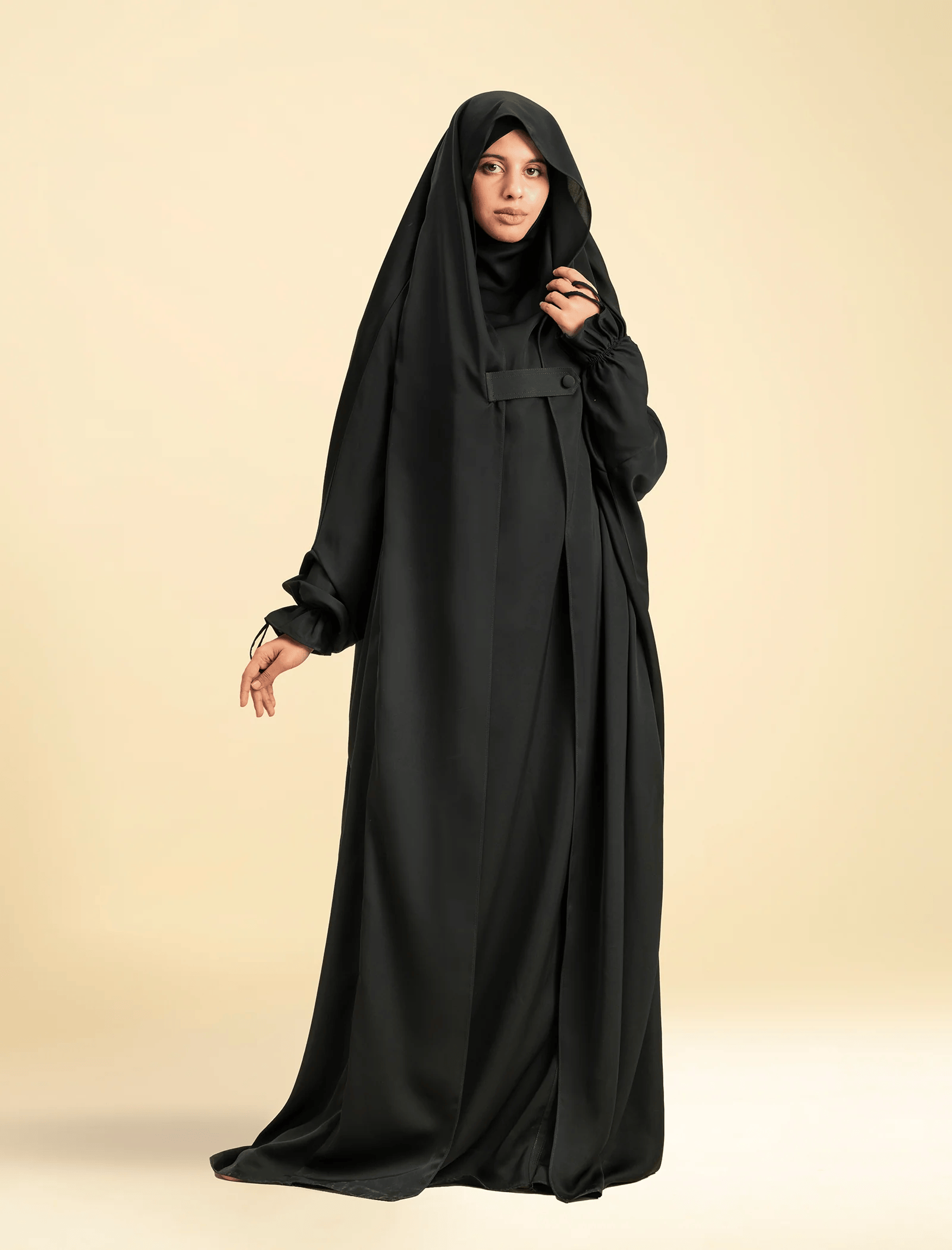
Fashion is a powerful expression of culture, identity, and personal style. Over the years, cultural fashion has inspired designers to explore new silhouettes, textiles, and trends that reflect global diversity. Among these influences, the abaya has become a standout garment that continues to evolve with time. It blends traditional modesty with contemporary aesthetics, making it a unique part of modern fashion. Today, abayas are not just cultural garments but international fashion pieces worn by women worldwide.
Cultural Roots and Historical Significance
The abaya has deep cultural significance in many regions, symbolizing modesty, elegance, and tradition. It represents a timeless garment that has been worn for centuries. Historically, abayas were simple, flowing robes with minimal details. Their design focused on practicality, modesty, and cultural norms.
However, as fashion began to globalize, designers started to reinterpret the abaya while respecting its cultural importance. Today, this garment stands at the intersection of tradition and innovation, influenced by various cultures and contemporary fashion trends.
How Cultural Fashion Shapes Abaya Trends
Cultural fashion plays a major role in influencing abaya designs. Elements from different regions inspire designers to create unique looks that appeal to global audiences. For example:
Middle Eastern embroidery influences luxurious event abayas
South Asian beadwork inspires detailed formal designs
Turkish minimalist styles inspire modern cuts and neutral colors
Moroccan kaftan elements inspire layered silhouettes
These cultural influences help abayas maintain their identity while appealing to women with different fashion preferences.
Modern Abayas as Everyday Wear
Today’s abayas are designed not just for cultural or religious use but also for everyday wear. Women appreciate comfortable, stylish clothing that suits both professional and casual environments. Modern abayas feature practical cuts, breathable fabrics, and minimalist patterns that make them ideal for daily routines.
Designs such as open front abayas, kimono style abayas, and coat abayas have become especially popular. These pieces easily layer over outfits, creating a clean and elegant look without requiring extra effort.
The Role of Fabrics in Cultural Influence
Fabric selection is another area where cultural fashion intersects with abaya design. Different cultures favor different textiles, and these preferences inspire abaya designers globally. Some popular examples include:
- Japanese satin influencing silky, premium abayas
- Indian chiffon inspiring lightweight and flowy designs
- Arabian crepe influencing structured, breathable abayas
The fabric not only sets the tone of the design but also affects comfort, movement, and overall style.
The Rise of Online Abaya Shopping
As technology continues to influence fashion, online shopping has transformed how women purchase abayas. Digital platforms offer access to global collections with just a few clicks. Many shoppers now prefer browsing abaya clothing online because it allows them to compare styles, read reviews, and discover new trends easily.
Online brands showcase detailed images, size guides, and color options to help customers make confident decisions. This accessibility has played an important role in expanding abaya culture beyond traditional regions.
Growing Interest in Western Markets
Abayas are gaining popularity in western countries as well. Many women appreciate them for their comfort, modest silhouette, and effortless elegance. They are often worn as outerwear, long coats, or styled as modern dresses. The demand for convenient shopping options, including abaya online usa, continues to grow as more women embrace modest fashion.
Brands are responding by offering diverse collections tailored for western climates and preferences. Soft neutrals, structured cuts, and lightweight fabrics are especially popular among western customers.
Abayas for Special Occasions
Cultural events, weddings, and celebrations often inspire designers to create beautifully detailed abayas. These special occasion abayas feature artistic embellishments that reflect cultural heritage while maintaining modern appeal. Designers use:
- Handcrafted embroidery
- Beadwork and sequins
- Metallic accents
- Layered fabrics
- Elegant draping
Such abayas not only pay tribute to cultural craftsmanship but also offer a luxurious alternative to traditional evening wear.
Influence of Fashion Weeks and Designers
Modest fashion has become a recognized category in global fashion weeks. Designers now showcase abaya collections on runways, bringing the garment into mainstream headlines. This international exposure encourages the fashion industry to view abayas as high fashion pieces, not just cultural attire.
Fashion houses are experimenting with creative cuts, tailored fits, and hybrid styles that blend influences from multiple cultures. As a result, the abaya continues to evolve into a garment that celebrates both identity and innovation.
Social Media and Styling Inspiration
Social media has had a tremendous impact on abaya fashion. Influencers share daily outfit ideas, travel looks, event styling, and seasonal abaya collections. Their content inspires women to explore new trends while staying connected to their cultural identity.
Platforms like Instagram and TikTok allow designers and brands to reach global audiences. Customers can see how an abaya moves, fits, and looks in real life, making it easier to choose the right style.
Cultural Blending in Modern Designs
One of the most fascinating aspects of contemporary abaya fashion is cultural blending. Designers incorporate elements from various traditions to create unique, globally appealing pieces. For instance:
- Japanese kimono sleeves
- Moroccan embroidery patterns
- Turkish modest tailoring
- South Asian floral prints
- Korean minimalist silhouettes
These influences allow abayas to appeal to diverse audiences while embracing fashion creativity.
Sustainability in Abaya Fashion
Sustainability is becoming a growing priority in the fashion industry, including abaya design. Many brands now focus on eco friendly fabrics, responsible manufacturing, and long lasting quality. Consumers prefer abayas that are durable, ethically made, and timeless.
Sustainable abayas not only look elegant but also contribute to reducing waste and promoting conscious fashion choices.
Conclusion
Cultural fashion plays an essential role in shaping modern abaya design. As global fashion evolves, abayas continue to blend tradition with contemporary style, appealing to women across different cultures and regions. With diverse influences, improved fabrics, online accessibility, and rising demand in western markets, the abaya has become a global fashion statement.
Whether worn for heritage, modesty, comfort, or style, abayas remain a timeless garment that reflects both cultural identity and modern elegance. As designers explore new inspirations and customers embrace fresh trends, the future of abaya fashion looks brighter than ever.

 English
 French
 Spanish
 Portuguese
 Deutsch
 Turkish
 Dutch
Dutch
 Italiano
 Russian
 Romaian
 Portuguese (Brazil)
 Greek
Greek