


Choosing the Right AC Installation for Your Moab Home: Beating the Desert Heat Efficiently
Moab is a land of extremes. By day, the summer sun bakes the sandstone canyons, pushing temperatures well over 100 degrees Fahrenheit with an intense, dry heat that radiates from the ground and the rocks. By night, the clear desert sky can allow temperatures to drop significantly. For homeowners here, this isn't just a weather pattern; it's a daily environmental force that your home must withstand. An air conditioner is not a convenience; it's a critical system for health, comfort, and even the preservation of your home itself.
But simply having an AC unit isn't enough. A standard, off-the-shelf system designed for a more humid, milder climate will struggle, strain, and fail prematurely in Moab's unique conditions. Choosing the right air conditioning installation Moab UT requires careful consideration of our specific desert challenges. It's about more than cooling; it's about building an efficient, resilient climate-control system that protects your investment and keeps your family comfortably cool without wasting energy or money. This guide will walk you through the key factors every Moab homeowner needs to consider.
The Desert's Demand: Why a "Standard" System Falls Short
Moab's climate puts extraordinary stress on air conditioning systems in ways that many manufacturers don't anticipate.
-
Extreme Dry Heat and Massive Thermal Load: The sheer intensity of the heat means your system must have ample capacity, but more importantly, it must be engineered to reject heat efficiently. The outdoor condenser unit battles against superheated ambient air, making its job harder than in cooler climates.
-
Dust and Particulate Matter: Our famous red dust is more than scenic; it's an AC killer. Fine sand and silt infiltrate everywhere. They coat the delicate fins of the outdoor condenser coil, acting like a blanket that traps heat and dramatically reduces efficiency. They also clog air filters at an astonishing rate.
-
Dramatic Day-Night Temperature Swings: A system that runs full-tilt all afternoon may be oversized for the cool evening, leading to short-cycling (rapid on/off cycles) which is inefficient and wears out components.
-
High Altitude Effects: At Moab's elevation (roughly 4,000 feet), the air is thinner. This can affect the performance of certain types of systems and requires specific adjustments during installation for proper refrigerant charge and combustion (if it's a heat pump with auxiliary heat).
-
Solar Gain: Large windows offering stunning views of the La Sal Mountains or Professor Valley also turn into solar ovens. The sun's radiant heat pouring through glass is a massive additional load a system must counteract.
Installing a system without accounting for these factors leads to the "Moab AC Syndrome": high energy bills, constant repairs, a system that never seems to keep up on the hottest days, and a shortened lifespan for expensive equipment.
The Solution: A Tailored, Desert-Ready Installation Strategy
The right approach treats your home as a unique system within the Moab environment. It starts with proper design and ends with meticulous installation.
Step 1: The Non-Negotiable Load Calculation (Manual J)
This is the foundation. A reputable contractor will never guess your home's needs based on square footage alone. They must perform a Manual J calculation. This sophisticated analysis factors in:
-
Moab's specific outdoor design temperature (how hot it gets).
-
Your home's construction: insulation levels in walls and attic, window type (double-pane low-E is crucial here), and air infiltration rates.
-
The orientation of your home and windows to account for solar gain.
-
Internal heat from appliances and people.
This calculation determines the exact cooling capacity (in BTUs) your home needs. An oversized system will short-cycle; an undersized one will run continuously and never catch up. Both are wasteful and uncomfortable.
Step 2: System Selection: Features for Desert Dominance
With the correct load calculation, you can choose a system with the right features for Moab.
-
High SEER2 Rating: The Seasonal Energy Efficiency Ratio measures cooling efficiency. In Moab, where your AC runs for months, investing in a high SEER2 unit (16+) pays back quickly in lower Rocky Mountain Power bills. Look for units rated for high ambient temperatures.
-
Two-Stage or Variable-Speed Compressors: These are ideal for our climate. Instead of just "on" or "off," they can run at a lower, more efficient speed for moderate cooling (like during the morning or evening) and ramp up to full capacity for the midday inferno. This eliminates harsh temperature swings, improves dehumidification (yes, we need some indoor humidity control), and is much quieter.
-
Heat Pump Consideration: A high-efficiency heat pump can be an excellent year-round solution for Moab, providing extremely efficient cooling in summer and effective heating for our mild winters, reducing reliance on a furnace.
-
Enhanced Filtration and Coil Protection: Discuss options like higher MERV-rated filters and, critically, coil coatings or frequent cleaning schedules to combat dust. Some systems have easier-to-clean coil designs.
Step 3: Ductwork Design and Sealing: The Hidden Highway
Even the best AC unit is crippled by poor ducts. In Moab's dry air, duct leaks are especially wasteful.
-
Sealing (Not Just Taping): All duct joints should be sealed with mastic paste, not duct tape, which dries and fails in our arid heat. Leaky ducts in a hot attic or crawlspace can lose 20-30% of your cooled air.
-
Proper Sizing and Insulation: Ducts must be sized (Manual D) to deliver the right amount of air to each room. They should be insulated to R-8, especially when running through unconditioned spaces, to keep that precious cool air cold on its journey to your vents.
Step 4: Professional, Climate-Aware Installation
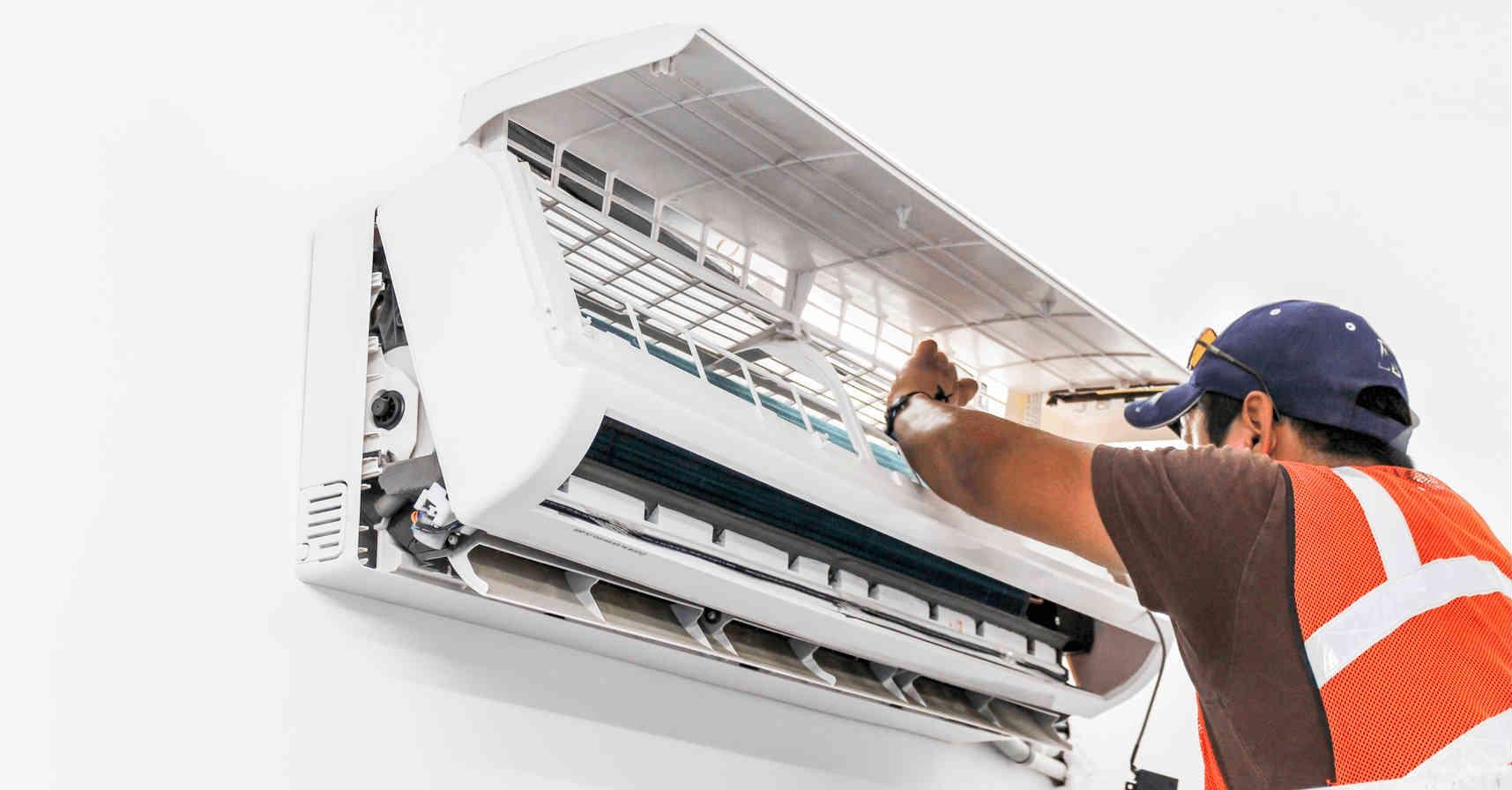
This is where the plan becomes reality. A quality air conditioning installation Moab UT includes:
-
Correct Condenser Placement: The outdoor unit should be placed in a shaded or partially shaded location if possible, with ample clearance for airflow, away from dust-prone areas like dirt driveways.
-
Precision Refrigerant Charge: At our altitude, the refrigerant charge must be meticulously measured and set according to manufacturer specifications, often using weighing methods rather than just pressure gauges.
-
Electrical Integrity: Ensuring the system has a dedicated, properly sized circuit to handle the startup load.
-
Startup, Testing, and Balancing: The technician should test airflow at each register, verify the system is meeting its capacity, and balance dampers so that your back bedroom gets as cool as your living room.
The Moab Homeowner's Payoff: Efficiency, Comfort, and Resilience
Investing in a correctly designed and installed system delivers profound benefits that go far beyond basic cooling.
-
Substantial Energy Savings: A system that isn't fighting itself or battling clogged coils uses significantly less electricity. This directly offsets the higher upfront cost of a high-efficiency unit, often within a few years.
-
Consistent and Superior Comfort: No more hot spots. A properly sized, multi-stage system maintains a steady, comfortable temperature and humidity level without the constant on/off blasts of a single-stage unit.
-
Enhanced Reliability and Longevity: A system that isn't overworked, clogged with dust, or short-cycling will have a much longer operational life. You'll face fewer emergency repairs during peak summer months.
-
Improved Indoor Air Quality: Tight ducts and good filtration keep red dust out of your airstream. A system that runs on longer, lower cycles also does a better job filtering the air continuously.
-
Increased Home Value: A modern, efficient, and desert-appropriate HVAC system is a major selling point in the Moab market, where buyers understand the importance of climate control.
The Critical Role of Ongoing Maintenance
The best installation is protected by diligent upkeep. This is where air conditioner maintenance Moab UT becomes your system's best friend. A local maintenance plan should emphasize:
-
Frequent Filter Changes: Monthly checks are mandatory. Consider a media filter for better dust capture.
-
Semi-Annual Coil Cleanings: Professional cleaning of the outdoor condenser coil at least twice during the cooling season to blast away the relentless red dust.
-
Pre-Season Tune-Ups: A spring check-up to ensure everything is ready for the summer assault, including checking refrigerant levels, electrical connections, and the condensate drain.
Choosing Your Moab HVAC Partner
Your contractor must be a local expert. Ask potential installers:
-
"Do you perform Manual J load calculations for every job?"
-
"How do you account for Moab's dust in your system recommendations and maintenance plans?"
-
"Can you provide references from other Moab homes with similar installations?"
-
"Are you licensed, insured, and familiar with high-altitude installation protocols?"
Conclusion: Building Your Desert Oasis from the Inside Out
Living in Moab means embracing an extraordinary environment. Your home should be a sanctuary from the extremes, not a victim of them. Choosing the right air conditioning system is a strategic decision that requires local knowledge, precise engineering, and quality craftsmanship.
By prioritizing a proper load calculation, selecting a system built for high-performance in arid heat, ensuring flawless ductwork and installation, and committing to aggressive maintenance, you do more than install an appliance. You build a resilient, efficient cooling system that safeguards your comfort, your budget, and your home for years to come. Don't let the desert heat dictate your comfort. Make an informed choice for your air conditioning installation Moab UT, and turn your home into the cool, efficient oasis you deserve.

 English
 Arabic
 French
 Spanish
 Deutsch
 Turkish
 Dutch
Dutch
 Italiano
 Russian
 Romaian
 Portuguese (Brazil)
 Greek
Greek