


How Speed Bag Training Improves Shoulder Endurance and Keeps Your Hands Up
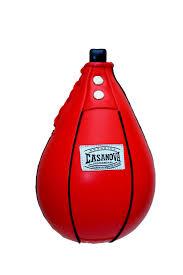
Keeping your hands up is one of the most important fundamentals in boxing yet it’s also one of the first things to fade when fatigue sets in. Whether you’re a beginner or a seasoned fighter, shoulder endurance plays a massive role in your ability to defend, counter, and maintain proper form throughout every round. One of the best tools to build that endurance is often overlooked: the speed bag.
Speed bag training isn’t just about rhythm or looking impressive. It’s a scientifically effective way to strengthen the muscles responsible for maintaining your guard, improving punch recovery, and boosting overall upper-body stamina. In this article, you’ll learn exactly how speed bag sessions improve shoulder endurance, help you keep your hands up longer, and elevate your boxing performance.
Why Shoulder Endurance Matters in Boxing
Most fighters associate endurance with cardio or leg strength, but shoulder endurance influences almost every part of your game. When your shoulders fatigue:
-
Your hands drop, exposing you to counters
-
Your punches lose snap and speed
-
Your defensive movements slow down
-
Your jab becomes less sharp
-
You get hit more often
Speed bag work directly targets the endurance muscles that hold your guard in place, especially your deltoids, rotator cuff, traps, and upper back.
How Speed Bag Training Builds Shoulder Endurance
1. Constant, Low-Load Muscle Activation
Unlike heavy bag training or mitt work, the speed bag uses light resistance with constant repetition. This trains your shoulders in a way that mimics the demands of real boxing:
-
Long rounds
-
Continuous arm movement
-
Quick transitions
-
Steady guard control
Low load + high repetition = endurance-focused muscle conditioning.
Your anterior and lateral deltoids stay activated for the entire round, improving their ability to maintain tension without burning out.
2. Improves Rotator Cuff Stability
The rotator cuff is the engine behind punch recovery and guard maintenance. When it weakens, your arms feel heavy, and lifting your hands becomes a struggle.
Speed bag training builds rotator cuff endurance by forcing your shoulders to:
-
Stabilize the arm while moving fast
-
Control small but constant rotational movements
-
Maintain consistent rhythm
This leads to:
-
Better punch stabilization
-
Smoother transitions from attack to defense
-
Stronger arm positioning when blocking
A conditioned rotator cuff keeps your hands high even deep into a fight.
3. Enhances Arm Speed and Punch Recovery
A big reason fighters can’t keep their hands up is slow punch recovery. The longer it takes for your arm to return, the harder your shoulders must work and the quicker they fatigue.
The speed bag trains fast-twitch muscle fibers responsible for:
-
Quick hand movement
-
Rapid retraction
-
Smooth hand positioning
When punch recovery improves, the strain on your shoulders decreases, allowing your guard to stay up longer with less effort.
4. Boosts Cardiovascular and Muscular Endurance
The speed bag might not seem like a cardio machine, but try hitting it for three straight minutes you’ll feel the burn.
Speed bag rounds:
-
Increase heart rate
-
Improve blood flow to upper-body muscles
-
Strengthen the cardiovascular system
-
Build high-output endurance
This upper-body conditioning is crucial when you’re throwing punches and defending for multiple rounds.
5. Builds Postural Strength Needed for a High Guard
A strong guard requires more than arm endurance; it requires strong traps, rhomboids, rotator cuff, and upper back muscles to maintain posture.
The speed bag forces you to stay:
-
Tall
-
Balanced
-
Engaged through the upper back
This strengthens the postural muscles needed to hold your hands up correctly during offense and defense.
How Speed Bag Training Keeps Your Hands Up
1. Trains Muscle Memory for a High Guard
Your hands stay near your chin the entire time, building the habit of keeping your guard up naturally. With enough repetition, your brain begins to associate this position as the default.
This muscle memory carries over into sparring and live training.
2. Strengthens the Exact Muscles Used to Hold Your Hands Up
Your shoulders, traps, and upper back are responsible for supporting your guard. Speed bag work targets those muscles with continuous engagement.
The stronger they become, the less effort it takes to keep your hands up even when you’re tired.
3. Improves Mental Discipline and Focus
Hand position isn’t just physical—it’s mental.
The speed bag demands:
-
Rhythm
-
Precision
-
Coordination
-
Constant attention
This sharpens your concentration, helping you develop the habit of maintaining your guard automatically.
4. Enhances Punch Flow and Reduces Fatigue Mid-Round
When your punches flow better, you waste less energy. The speed bag teaches efficient arm movement and rhythm, helping you stay relaxed and fluid.
Relaxation equals energy conservation which means your shoulders last longer.
Additional Benefits of Speed Bag Training
1. Better Hand-Eye Coordination
You react faster, adjust quicker, and time punches more effectively.
2. Increased Rhythm and Timing
This helps with combinations, footwork, and punch sequencing.
3. Improved Upper-Body Mobility
The rotational shoulder movement keeps joints healthy and mobile.
4. Stress Relief
The steady rhythm acts as a mental release and builds confidence.
How Often Should You Use the Speed Bag?
For optimal results:
-
3–5 times per week
-
2–4 rounds per session
-
Start with 30–60 seconds per round, then build to 3 minutes
As shoulder endurance improves, increase:
-
Round length
-
Hand speed
-
Bag difficulty (smaller bags move faster)
Beginner-Friendly Speed Bag Routine
Round 1: Basic Rhythm
Hit with one hand at a time, alternating left and right.
Round 2: Double-Hand Rhythm
Use both fists in a continuous circular pattern.
Round 3: Speed Focus
Short, quick taps—focus on smoothness, not power.
Round 4: Burnout Round
Go as fast as you can for 20 seconds, rest 10 seconds, repeat 3 times.
This routine builds:
-
Stamina
-
Rhythm
-
Shoulder endurance
Tips to Maximize Shoulder Endurance Gains
-
Keep elbows slightly elevated
-
Stay relaxed—don’t tense your shoulders
-
Maintain consistent breathing
-
Hit lightly; speed bag training is about rhythm, not power
-
Keep your hands close to your chin
-
Build gradually—avoid burnout early on
Final Thoughts: The Speed Bag Is Essential for Strong Shoulders and a Solid Guard
If your shoulders burn out quickly or your hands drop during training, the speed bag is one of the best tools to fix it. Its unique combination of light resistance, constant movement, rhythm training, and high repetition builds the endurance necessary to keep your guard tight for all rounds.
This makes you:
-
A better defender
-
A more efficient puncher
-
A harder target
-
A more conditioned fighter
Whether you’re training for fitness or competition, adding consistent speed bag work will dramatically improve your shoulder endurance and help you keep your hands up round after round.

 English
 Arabic
 French
 Spanish
 Portuguese
 Deutsch
 Turkish
 Italiano
 Russian
 Romaian
 Portuguese (Brazil)
 Greek
Greek