


Roofing Machines: Advanced Tools for Efficient and Precise Roof Installation
The roofing industry has evolved significantly over the years, thanks to innovations that make roof installation faster, safer, and more precise. Among these innovations, roofing machines stand out as essential tools that streamline the roofing process—from material preparation to final installation. Whether you’re working with metal, shingles, or membrane roofing, these machines ensure consistency, accuracy, and efficiency that manual labor alone can’t match.
What Are Roofing Machines?
Roofing machines are specialized tools and equipment used to fabricate, shape, and install roofing materials efficiently. They are designed to reduce manual effort, increase accuracy, and improve productivity in both residential and commercial roofing projects.
From roll formers that shape metal panels to seamers that lock panels together, roofing machines ensure precision and speed. With advanced technology and automation, they also reduce waste and enhance worker safety.
Types of Roofing Machines
- Roll Forming Machines
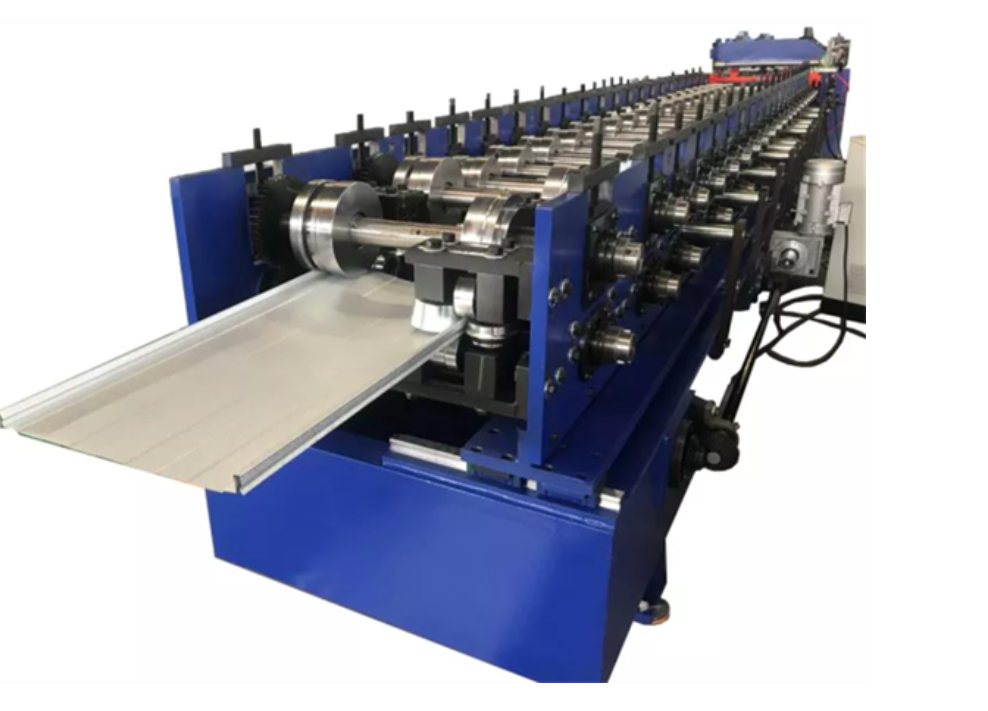
Roll forming machines are among the most critical tools in metal roofing fabrication. These machines take flat metal coils and shape them into panels with specific profiles, such as standing seam or corrugated panels.
- Key Benefits:
- Consistent panel dimensions
- On-site fabrication reduces transport costs
- Compatible with various metals like aluminum, steel, and copper
- Increases the speed of installation
Modern roll formers can be portable, allowing contractors to fabricate panels directly at the job site. This not only saves time but also ensures custom-fit panels that perfectly match roof dimensions.
- Roof Panel Seamers
Once panels are placed, they need to be locked together for a watertight and secure connection. That’s where roof panel seamers come in. These machines crimp or “seam” the edges of standing seam metal panels.
- Key Benefits:
- Creates strong, weather-tight seams
- Reduces human error during panel locking
- Works quickly across long roof sections
- Enhances roof appearance and durability
Seamers are available in both manual and electric models, but automated seamers are preferred for large-scale projects due to their precision and speed.
- Coil Slitters and Cutters
Before forming metal panels, roofing materials need to be cut to size. Coil slitters and cutters are used to slice large metal coils into narrower strips that fit roll-forming machines.
- Key Benefits:
- High precision cutting
- Reduces material waste
- Handles multiple gauges and metals
- Speeds up production timelines
Some coil cutters come with digital controls for programmable lengths, improving cutting accuracy and minimizing human error.
- Roof Coating Machines
Roof coating machines are used to apply protective coatings on roofing surfaces, especially for flat or low-slope roofs. These coatings enhance waterproofing, reflectivity, and overall longevity.
- Key Benefits:
- Uniform coating application
- Reduced manual labor
- Extends roof lifespan
- Saves time and ensures even coverage
Modern coating machines often feature airless spray systems that deliver precise, controlled application with minimal overspray.
- Roof Hoists and Material Lifters
Transporting materials to rooftops is one of the most challenging parts of roofing. Roof hoists and material lifters simplify this by safely elevating heavy materials such as shingles, panels, or tools.
- Key Benefits:
- Improves job site safety
- Reduces labor fatigue
- Increases productivity
- Prevents damage to materials
These machines are especially valuable for multi-story construction and steep-slope roofing projects.
Advantages of Using Roofing Machines
- Enhanced Efficiency and Speed
Roofing machines dramatically cut down installation time. Automated systems handle repetitive and labor-intensive tasks, allowing roofers to complete projects faster without compromising quality.
- Precision and Consistency
Manual installation can lead to inconsistencies, especially on large-scale projects. Machines, however, deliver precise results every time—ensuring panels, seams, and coatings are uniform and properly aligned.
- Improved Safety
Modern roofing machines are designed with safety features that reduce the risks associated with manual roofing work. Less climbing, lifting, and repetitive strain leads to fewer workplace injuries.
- Reduced Material Waste
By accurately measuring and cutting materials, roofing machines help contractors minimize waste—saving both money and resources. This also aligns with sustainable building practices.
- Cost Savings Over Time
While the initial investment in roofing machinery can be significant, the long-term savings from reduced labor costs, faster project completion, and minimal material waste make them a profitable choice for roofing contractors.
Applications of Roofing Machines
Roofing machines are used in various sectors, including:
- Residential Roofing: Fabricating custom panels, applying coatings, and lifting materials efficiently.
- Commercial Roofing: Large-scale metal panel production, roof sealing, and waterproofing systems.
- Industrial Projects: Heavy-duty metal roofing fabrication, coating, and insulation.
- Architectural Projects: Producing precision-formed panels for design-driven constructions.
Whether it’s a simple home renovation or a complex industrial roof installation, roofing machines are essential for ensuring quality and durability.
Maintenance and Best Practices
Proper maintenance ensures that roofing machines operate smoothly and last for years. Here are key maintenance tips:
- Regular Cleaning: Remove debris and dust from moving parts after each use.
- Lubrication: Apply lubricant to rollers, bearings, and gears as recommended by the manufacturer.
- Calibration: Periodically calibrate measurement systems for accuracy.
- Inspection: Check for worn-out components, electrical issues, or leaks.
- Storage: Keep machines in dry, covered areas to prevent rust and damage.
Following these practices not only prolongs the machine’s lifespan but also ensures safer and more reliable operation.
The Future of Roofing Machines
As the roofing industry continues to innovate, we are witnessing the integration of smart technology in roofing machinery. Automation, digital controls, and remote monitoring are revolutionizing how contractors approach installation.
Future roofing machines will likely feature:
- AI-based precision controls
- IoT connectivity for performance tracking
- Lightweight, energy-efficient designs
- Enhanced safety sensors
These advancements will make roofing even more efficient, sustainable, and cost-effective.
Conclusion
Roofing machines are transforming the way roofing contractors work. By automating critical tasks like panel forming, seam crimping, coating, and lifting, they ensure higher precision, improved safety, and faster project completion.

 English
 Arabic
 French
 Spanish
 Portuguese
 Deutsch
 Turkish
 Dutch
Dutch
 Italiano
 Russian
 Portuguese (Brazil)
 Greek
Greek