


Systematizing Creativity: The Core Principles of an Innovation Management System Today
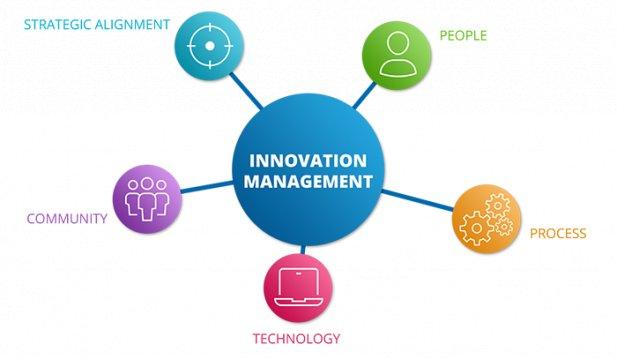
In today's hyper-competitive business landscape, relying on sporadic moments of inspiration is no longer a viable strategy for growth. To consistently generate, evaluate, and execute new ideas, organizations are increasingly turning to a structured approach known as an Innovation Management System. This is not merely a suggestion box gone digital; it is a comprehensive software platform designed to manage the entire innovation lifecycle. From the initial spark of an idea sourced from employees, customers, or partners, to its collaborative development, rigorous evaluation, and eventual implementation as a new product, service, or process, an IMS provides a centralized and transparent framework. By systematizing creativity, these platforms ensure that valuable ideas are not lost and that the innovation pipeline is continuously filled, managed, and aligned with strategic business objectives, transforming innovation from a haphazard art into a disciplined science.
The fundamental value of an Innovation Management System lies in its ability to democratize the innovation process across an entire organization. It breaks down traditional silos that often stifle creativity, creating a digital space where an idea from a frontline employee in one department can be seen, discussed, and built upon by experts in another. These platforms typically feature intuitive portals for submitting ideas, collaborative tools like forums and comment threads for refining them, and customizable workflows for moving ideas through various stages of review. By making innovation an inclusive and collaborative activity, an IMS taps into the collective intelligence of the entire workforce, fostering a culture where every employee feels empowered to contribute to the company's future success and a sense of shared ownership over the innovation agenda.
This cultural shift is a critical outcome of implementing an IMS. It signals to employees that their ideas are valued and provides a clear and transparent process for how those ideas will be handled. Gamification elements, such as leaderboards, points for participation, and rewards for the best ideas, are often incorporated to further boost engagement and encourage a steady flow of high-quality submissions. This creates a positive feedback loop where increased engagement leads to better ideas, which in turn leads to successful innovations, reinforcing the value of the system. Innovation Management System Market size is expected to reach a valuation of USD 137.14 Billion by 2035, registering to robust CAGR of 9.8% during 2025-2035. This growth reflects the increasing recognition of these systems as essential tools for fostering an agile and innovative corporate culture.
Ultimately, an IMS serves as the strategic nervous system for an organization's growth initiatives. It provides senior leadership with a powerful analytics and reporting dashboard, offering a real-time, portfolio-level view of the entire innovation pipeline. This allows them to track key metrics, such as the number of ideas generated, the rate of implementation, and the potential ROI of different initiatives. With this data-driven insight, leaders can make more informed decisions about where to allocate resources, identify emerging trends, and ensure that the organization's innovation efforts are directly contributing to its long-term strategic goals. In this way, an IMS transforms innovation from an intangible concept into a measurable and manageable business function, critical for sustained competitive advantage.
Explore More Like This in Our Regional Reports:
GCC Application Gateway Market Size
Germany Application Gateway Market Size

 English
 Arabic
 French
 Spanish
 Portuguese
 Turkish
 Dutch
Dutch
 Italiano
 Russian
 Romaian
 Portuguese (Brazil)
 Greek
Greek