


Automatic Pool Cleaner Repair: Get Your Pool Back to Pristine Fast
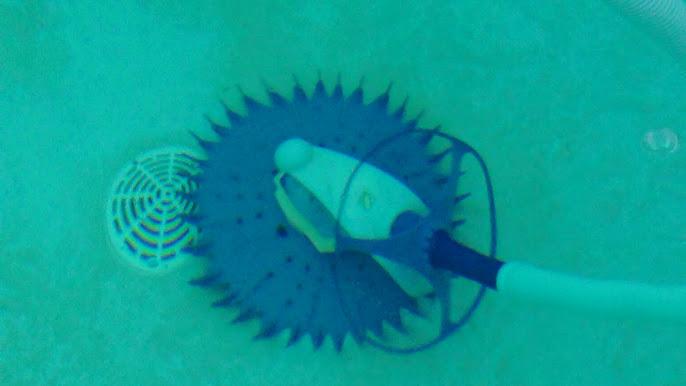
Automatic pool cleaners are the unsung heroes of backyard living. Drop one in, set a cycle, and while you sip a drink or prep dinner the robot scrubs, vacuums, and filters until your water looks perfect. But like all machines, automatic cleaners need maintenance — and sometimes they need repair. Left unattended, small problems turn into big headaches: reduced cleaning performance, extra chemical use, and more strain on your pool’s pump and filter. This guide is your one-stop playbook for diagnosing common issues, doing fast DIY repairs, knowing when to call a pro, and keeping your cleaner running smoothly for years.
Spot the signs early
Catching a problem early cuts cost and downtime. Watch for these common warning signs:
-
It won’t start — power or connection issues are usually the culprit.
-
Weak suction or poor pickup — clogged filters, blocked intakes, or damaged impellers.
-
Repeating patterns or tangles — cable twists, worn swivels, or navigation faults.
-
Gets stuck on steps or walls — worn brushes, treads, or low suction.
-
Unusual noises (grinding, squealing) — debris in gears, failing bearings, or damaged brushes.
-
Water in electronic compartments — failed seals; a serious issue that needs professional attention.
Noticing one of these? Don’t panic — many issues are quick fixes.
Quick DIY checks and fixes (under 30 minutes)
Before booking a repair, run through this checklist. It solves a lot of problems and helps you avoid unnecessary service calls.
-
Power and safety first
For corded cleaners: ensure the transformer or power unit is plugged in, the GFCI hasn’t tripped, and the power cable and connectors are dry and undamaged. For battery models: verify the battery is fully charged and charging correctly. -
Empty and clean filters
A clogged cartridge or mesh bag is the most common cause of poor performance. Remove the filter, shake out debris, rinse thoroughly with a hose, and let it dry if possible before reinserting. -
Clear the impeller and intake
With the cleaner powered off, flip it over and inspect the impeller and intake ports. Remove leaves, pebbles, hair, or string that can jam the motor. -
Inspect brushes, treads, and wheels
Hair and fibers wrap around axles and treads. Cut and remove tangles, and replace brushes or tread belts that are worn flat — they’re inexpensive and restore traction quickly. -
Untangle the cable
Lay the cable straight on the deck for a while to remove memory curls, and avoid storing it tightly wound. Consider an anti-tangle swivel if your model supports one. -
Run an observed test cycle
Put the cleaner back in and watch a full cycle. Note where it struggles or repeats — corners, steps, or particular walls. That observation points you directly to the failing subsystem.
Parts that commonly need replacing
Automatic cleaner parts are generally inexpensive and easy to replace. Keep these consumables in your budget:
-
Filter cartridges or mesh bags
-
Brushes and scrubbers
-
Treads, wheels, or rollers
-
Impellers and small gears
-
Seals and O-rings
-
Batteries (for cordless models)
Replacing worn brushes and treads often fixes climbing and cleaning problems immediately. Batteries, while pricier, are the most likely component to need replacement over time.
When to call the pros
Some faults are beyond quick DIY fixes and require trained technicians:
-
Water in the motor or electronics housing — seals have failed and internal components may be damaged.
-
Repeated GFCI trips or electrical faults — likely an internal short.
-
Burning smells or smoke — power down immediately and seek help.
-
Major mechanical failures — gearbox or motor replacement is best handled in a workshop with diagnostic tools.
-
Persistent performance problems after basic maintenance — an expert can run tests and pinpoint root causes.
A reputable repair service will provide a clear diagnosis, a written quote, and a warranty on parts and labor.
Preventive maintenance that really works
Routine care prevents 80% of repairs. Add these simple habits to your pool routine:
-
Run short, frequent cycles rather than one long marathon. This prevents heavy accumulation.
-
Remove large debris by hand before running the cleaner to avoid impeller jams.
-
Rinse the unit after use, especially after saltwater exposure — salt accelerates wear.
-
Store out of direct sun to prevent UV and heat damage to plastics and rubber.
-
Inspect consumables seasonally — check filters, brushes, and seals before the heavy-use months.
-
Keep the cable coiled loosely and uncoil before use to minimize tangles.
These small steps cost minutes but save hours and dollars later.
Repair vs. replace: making the smart choice
If repair costs approach the price of a new machine — especially for older models — an upgrade may be wiser. Newer cleaners offer improved navigation, better energy efficiency, and longer warranties. But for most mid-life units, replacing consumables and fixing mechanical faults keeps them running reliably for seasons. Always compare the cost of repair to the performance gains you’d get from a new unit.
Choosing a repair partner
When you need professional help, pick a service that offers:
-
OEM or high-quality replacement parts
-
Transparent, itemized pricing and written estimates
-
Warranty on repairs and clear turnaround times
-
Experienced technicians who specialize in pool robots
-
Good local support and spare parts availability
If you’re in Australia and want a specialist who understands robotic and automatic pool cleaner diagnostics, parts, and repairs, check out https://fixmydolphin.com.au/ for expert assistance.
Final thoughts
Automatic pool cleaner repair doesn’t have to be costly or stressful. With a little troubleshooting knowledge, a short preventive maintenance routine, and a trusted repair partner for the heavy lifts, most owners keep their cleaners running efficiently for many seasons. Act quickly on small problems, keep a couple of common spare parts handy, and you’ll spend less time maintaining and more time enjoying your pool. After all, the point of owning an automatic cleaner is to enjoy a pristine pool with minimal effort — and with the right care, that’s exactly what you’ll get.

 English
 Arabic
 French
 Spanish
 Portuguese
 Deutsch
 Turkish
 Dutch
Dutch
 Russian
 Romaian
 Portuguese (Brazil)
 Greek
Greek