


Antibiotic Resistance in Nigeria: A Looming Public Health Crisis
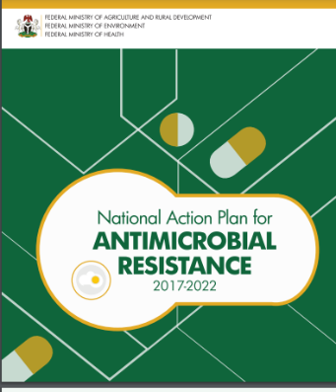
Antibiotic resistance in Nigeria is fast becoming one of the most urgent public health threats facing the nation. As bacteria evolve and adapt, the drugs that once cured common infections are becoming ineffective, leaving health professionals struggling to treat even basic illnesses. This crisis doesn’t just affect individuals—it endangers entire communities, especially in underserved urban and rural areas. Left unchecked, antibiotic resistance could roll back decades of medical progress in Nigeria, increasing disease burden, mortality rates, and healthcare costs.
Understanding the State of Antibiotic Resistance in Nigeria
Antibiotic resistance occurs when bacteria develop the ability to defeat drugs designed to kill them. In Nigeria, this problem is escalating across various settings—from hospitals to farmlands, from cities to remote villages. The situation is further complicated by weak healthcare infrastructure, limited diagnostic capacity, unregulated access to medications, and poor public awareness.
Recent studies have revealed alarming patterns. In hospitals, a large percentage of patients are prescribed antibiotics empirically—meaning based on clinical judgment without lab confirmation. In the community, over-the-counter antibiotic sales are rampant, and self-medication is common. Bacterial strains such as Salmonella, E. coli, and Klebsiella are showing resistance to commonly used antibiotics, including penicillins, cephalosporins, and fluoroquinolones.
The challenge of antibiotic resistance in Nigeria is compounded by the lack of centralized surveillance data, poor regulation of antibiotic distribution, and widespread use of antibiotics in livestock farming. In both urban hospitals and rural clinics, healthcare providers often lack the tools to make evidence-based decisions on antibiotic use, leading to over-prescription and misuse.
Root Causes of Antibiotic Resistance in Nigeria
Unrestricted Access and Self-Medication
A major factor fueling antibiotic resistance in Nigeria is the easy availability of antibiotics without a prescription. Pharmacies, patent medicine stores, and informal vendors frequently sell antibiotics over the counter. Patients, in turn, often self-diagnose and self-medicate, taking incorrect doses or stopping treatment early—both of which encourage bacteria to develop resistance.
Poor Public and Professional Awareness
Many Nigerians still believe antibiotics can cure viral infections like colds and the flu. Inadequate health literacy, especially in rural communities, contributes to misuse. Even among healthcare professionals, training in antimicrobial stewardship is limited. This knowledge gap leads to frequent use of broad-spectrum antibiotics when they may not be necessary.
Weak Regulation and Counterfeit Medications
Regulatory enforcement remains a major challenge. While Nigeria has policies classifying antibiotics as prescription-only drugs, enforcement is weak. Additionally, counterfeit and substandard antibiotics circulate widely in the market. These drugs often contain insufficient active ingredients, reducing their effectiveness and contributing to resistance.
Limited Diagnostic Infrastructure
In many healthcare facilities, especially those in rural areas, laboratory testing for bacterial infections and antibiotic susceptibility is either unavailable or unreliable. As a result, doctors are forced to treat infections empirically, which increases the chances of inappropriate antibiotic use.
Agricultural Misuse and One Health Challenges
Antibiotics are widely used in animal farming in Nigeria—not only to treat infections but also to promote growth and prevent disease in healthy animals. This indiscriminate use contributes significantly to the development of resistant bacteria, which can be transmitted to humans through food, water, and direct contact. The interconnection between human health, animal health, and the environment—commonly referred to as the "One Health" approach—must be considered in tackling this issue.
Urban-Rural Disparities
Access to healthcare varies widely between urban and rural areas. In many rural communities, the absence of trained health professionals and diagnostic services means antibiotics are often the first line of defense against any illness, whether bacterial or not. This over-reliance, driven by necessity rather than ignorance, continues to fuel resistance in rural settings.
Consequences of Antibiotic Resistance in Nigeria
The consequences of antibiotic resistance in Nigeria are far-reaching and deeply concerning:
Treatment Failures: Infections that were once easily curable now require stronger, more expensive drugs—or have no effective treatment at all.
Increased Mortality: Drug-resistant infections are more likely to result in complications or death, especially in vulnerable populations like children, the elderly, and those with weakened immune systems.
Longer Hospital Stays and Higher Costs: When first-line antibiotics fail, patients require prolonged hospitalization and more expensive second- or third-line treatments, placing financial strain on both families and the healthcare system.
Threat to Medical Procedures: Common procedures such as surgeries, chemotherapy, and childbirth become riskier when effective antibiotics are not available to prevent or treat infections.
Economic Impact: Beyond health, antibiotic resistance affects productivity and national development. The economic burden of resistant infections includes lost income, increased healthcare spending, and reduced workforce participation.
Strategies to Combat Antibiotic Resistance in Nigeria
Nigeria must take a multi-pronged and coordinated approach to address this growing crisis. Below are key strategies that can help reverse the trend of antibiotic resistance in Nigeria:
Strengthen Policy and Regulation
Nigeria's Second National Action Plan on Antimicrobial Resistance (NAP 2.0) provides a framework for coordinated action. This plan must be fully implemented, with strong political commitment and adequate funding. Regulatory agencies should intensify efforts to control the distribution of antibiotics and remove counterfeit drugs from the market.
Improve Diagnostic Capacity
Building diagnostic infrastructure in both urban and rural healthcare centers is essential. With better access to testing, healthcare providers can identify the exact cause of an infection and prescribe appropriate antibiotics, reducing unnecessary use.
Promote Antimicrobial Stewardship
Hospitals and clinics should implement antimicrobial stewardship programs to guide responsible prescribing. Health professionals need ongoing training in rational antibiotic use. Local guidelines, tailored to Nigeria’s resistance patterns, must be developed and promoted.
Increase Public Awareness
Public education campaigns are critical to changing behaviors. People need to understand that not all illnesses require antibiotics and that misuse can have serious consequences. Messaging should be clear, culturally relevant, and accessible across different regions and languages.
Tackle Agricultural Antibiotic Use
The government must regulate and monitor antibiotic use in livestock and farming. Veterinary services should oversee treatment, and farmers must be educated on alternative practices, such as vaccination and improved hygiene, to reduce reliance on antibiotics.
Enhance Surveillance and Data Collection
Robust national surveillance systems are necessary to track resistance patterns and inform treatment guidelines. Data from hospitals, pharmacies, laboratories, and veterinary sources should be integrated to provide a full picture of the resistance landscape.
Encourage Community and Stakeholder Engagement
Combatting antibiotic resistance in Nigeria requires collaboration across all levels—government, healthcare professionals, civil society, academic institutions, and communities. Empowering local leaders and involving community-based organizations can help ensure that interventions reach those who need them most.
Conclusion: The Urgent Need for Collective Action
Antibiotic resistance in Nigeria is not a distant threat—it is a present and growing crisis. From over-the-counter misuse in city markets to lack of diagnostics in rural clinics, the factors contributing to resistance are deeply embedded in the country’s healthcare and societal systems. But with strategic investment, regulation, and education, Nigeria can slow the spread of resistance and protect the effectiveness of life-saving antibiotics.
This is not just the responsibility of the government or health professionals—it is a collective responsibility. Every Nigerian has a role to play, from taking antibiotics responsibly to supporting policies that safeguard public health. The time to act against antibiotic resistance in Nigeria is now—before the medicines we depend on lose their power forever.

 English
 Arabic
 French
 Spanish
 Portuguese
 Deutsch
 Dutch
Dutch
 Italiano
 Russian
 Romaian
 Portuguese (Brazil)
 Greek
Greek