


The Definitive Guide to COVID-19 Rapid Antigen Tests: Accuracy, Use, and Interpretation
In December 2025, with COVID-19 now a steady part of life, quick tests keep us one step ahead. Over 500 million rapid antigen tests have shipped in the U.S. this year alone, helping folks spot infections fast. A rapid antigen test for COVID-19 detects viral proteins in a sample from your nose or throat. It gives results in 15 to 30 minutes, unlike PCR tests that take hours or days in a lab. You grab these kits from stores or online, making them easy to use at home when speed matters most.
Section 1: What is a COVID-19 Rapid Antigen Test and How Does It Work?
A COVID-19 rapid antigen test checks for pieces of the virus's outer shell. Think of it as a detective tool that spots the bad guys right away. This rapid antigen test COVID method uses simple tech to flag an infection before symptoms worsen.
The Science Behind Antigen Detection
Antigens are like flags on the virus's surface, made of proteins. The test strip has special antibodies that grab these flags if they're there. When you add your swab sample to the strip, it flows across and triggers a color change if antigens show up. This lateral flow setup acts like a pregnancy test, but for COVID. It's quick because the reaction happens in minutes, not hours.
Speed vs. Sensitivity: Antigen Tests vs. PCR
Rapid antigen tests shine in speed, delivering answers while you're still waiting for PCR results. PCR digs deep into the virus's genetic code, making it more sensitive—it catches low levels of virus early on. But antigen tests might miss faint signals, especially if the viral load is low; PCR uses cycle thresholds to amplify tiny amounts. For everyday use, the trade-off favors antigen kits when you need results now, not perfect precision every time.
Key Components of a Rapid Antigen Test Kit
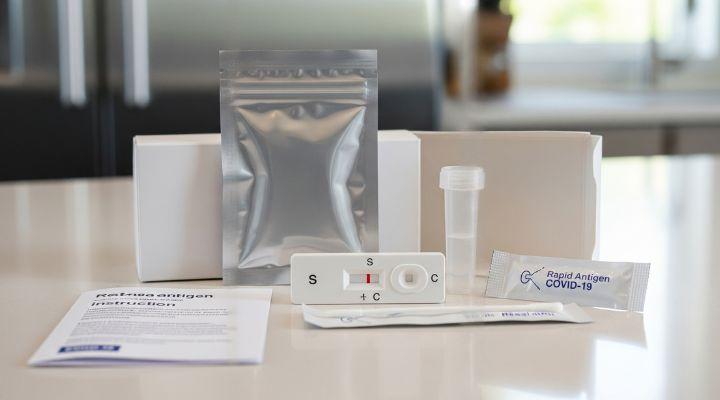
Inside the box, you'll find a long swab for your nose. There's also a small tube with buffer liquid to mix your sample. The test cassette is the main strip where everything happens, plus instructions and waste bags. Some kits include a dropper for even application. These parts make the COVID-19 rapid antigen test straightforward, so you can set it up on your kitchen table.
Section 2: Optimal Timing and When to Use Your Rapid Antigen Test
Timing makes all the difference with a rapid antigen test. Test too soon or too late, and you risk wrong answers. Use it right, and it becomes your go-to tool for staying safe in daily life.
Testing When Symptomatic: The Window of High Viral Load
If you feel sick, grab your test 1 to 3 days after symptoms start. That's when the virus runs high in your body, giving the best shot at a true read. Early on, day zero, the load might be too low for detection—leading to false negatives. Wait too long, past a week, and it drops off again. Stick to that sweet spot for reliable results from your rapid antigen test COVID kit.
Post-Exposure Prophylaxis Testing Schedules
After close contact with someone infected, test on day 1 and day 5. Health experts from the CDC suggest this serial approach to catch rising infections. If you're high-risk, add a day 3 check too. These schedules help you act fast without constant worry. Follow local rules, as they might tweak based on new data.
Pre-Event Screening: Ensuring Confidence Before Gathering
Before a flight or family dinner, test 1 to 2 hours ahead. It's a snapshot—results hold for about that window before the virus could sneak in. For work returns or big events, pair it with masking for extra peace. This pre-check boosts confidence, but remember, no test is foolproof. Use the COVID-19 rapid antigen test to plan smarter, not perfect.
Section 3: Step-by-Step Guide to Accurate At-Home Antigen Testing
Doing the test wrong leads to headaches later. Follow these steps closely for clear answers. It's easier than you think, and practice makes it routine.
Preparation: Swabbing Technique and Environmental Factors
Wash your hands first, then unwrap the swab. Insert it into one nostril about an inch, twist five times, and repeat in the other. Don't touch the soft tip—keep it clean. Mix the swab in the buffer tube for 15 seconds, squeezing out every drop. Work at room temp; cold spots can mess with the flow. Proper prep turns your rapid antigen test into a solid tool.
Reading the Results: Interpreting Lines and Timeframes
Wait 15 minutes, then check the strip. A line at C means the test worked; add a T line for positive. No T line? It's negative. Read exactly at 15 to 30 minutes—too soon, lines fade; too late, evaporation tricks you. The control line (C) proves the test ran right; without it, toss and retry. This quick read makes the rapid antigen test COVID so handy.
Troubleshooting Common User Errors Leading to Inaccuracy
Mix buffer poorly, and the sample won't flow—stir harder next time. Swab too shallow, missing the good stuff; go deeper gently. Reading after 30 minutes? Those ghost lines aren't real positives. If the strip stays blank, your buffer might be bad—use a fresh kit. Fix these slips, and your COVID-19 rapid antigen test hits higher accuracy.
Section 4: Understanding Positive, Negative, and Invalid Rapid Antigen Results
Results guide your next move. Don't guess—act on what the test says. This knowledge keeps you and others safe.
What to Do After a Positive Rapid Antigen Test Result
If it's positive, isolate right away for at least five days. Call your doctor or local health line for advice. Many places still want a PCR follow-up to confirm, especially if symptoms are mild. Tell close contacts so they can test too. A positive rapid antigen test means you're likely contagious—stay home and rest up.
Managing Negative Results in Symptomatic Individuals
A negative with symptoms? Don't drop your guard; retest in 24 hours. False negatives happen if the virus is building up. Get a PCR if you can, for deeper checks. Keep isolating until two negatives, 48 hours apart. That way, a single miss from the rapid antigen test doesn't risk spread.
When an Invalid Result Requires Retesting
No C line? The test flopped—no result at all. Check if you added enough drops or if the strip got wet early. Throw it out and start over with a new COVID-19 rapid antigen test. Invalid means zero info, so don't guess. Retest soon to avoid delays in knowing your status.
Section 5: Accessibility, Cost, and the Future of Rapid Antigen Testing
These tests are everywhere now, fitting into busy lives. Costs have dropped, making them a smart buy. Looking ahead, they'll keep improving to match new challenges.
Market Availability and Insurance Coverage
Find kits at drugstores, grocery spots, or Amazon for under $10 each. Government programs still offer free ones to low-income families in 2025. Most insurance covers them fully—check your plan for reimbursements. Online orders arrive quick, stocking your home kit. This ease boosts use of the rapid antigen test COVID wide.
Evolution of Rapid Testing: New Variants and Innovations
New tests now spot Omicron tweaks or even flu at once. Labs work on faster strips that need less swab. Some combine with apps for result tracking. These upgrades make the COVID-19 rapid antigen test tougher against changes. Expect multiplex kits by mid-2026 for broader checks.
The Role of Serial Testing in Ongoing Risk Mitigation
Test every few days if exposed—it's like frequent patrols spotting trouble early. One high-sensitivity PCR every week misses more than daily antigen checks. Studies show serial use cuts spread by 60%. Build this habit for better control. It turns low-sensitivity into a strength through repetition.
Conclusion: Empowering Decisions with Rapid Antigen Testing
Rapid antigen tests offer speed as their big win, letting you respond fast to COVID threats. But remember, they depend on high viral loads for top accuracy—time your use wisely. These tools stay key in 2025's endemic world, giving power back to you for health choices.
Here are four key takeaways:
- Test 1-3 days into symptoms for best results.
- Use serial testing after exposure to catch hidden infections.
- Follow steps exactly to avoid errors and invalid reads.
- Pair with PCR when needed, especially if symptoms persist.
Stock up, test smart, and stay ahead of the curve. Your next swab could make all the difference.

 English
 Arabic
 French
 Spanish
 Portuguese
 Deutsch
 Turkish
 Dutch
Dutch
 Russian
 Romaian
 Portuguese (Brazil)
 Greek
Greek