


Understanding Medical Marijuana for Muscle Spasticity: A Patient-Centered Perspective
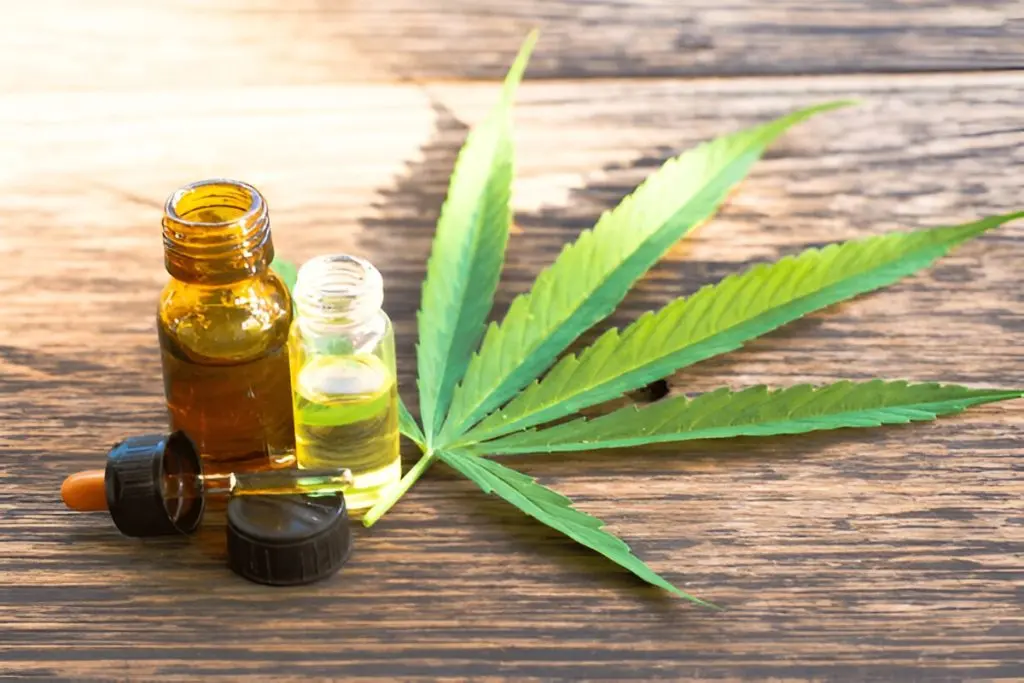
Living with muscle spasticity can be physically exhausting and emotionally draining. For many people, the condition affects far more than just muscle movement it influences sleep quality, daily comfort, mental health, and overall independence. Over the past few years, growing attention has been given to medical marijuana for muscle spasticity, not as a miracle cure, but as a potential supportive option for symptom management.
This article takes a neutral, educational look at spasticity and explores why medical marijuana for spasticity has become part of broader conversations in neurological and pain-management communities.
What Is Muscle Spasticity?
Muscle spasticity is a condition where certain muscles remain continuously contracted. This tightness or stiffness can interfere with movement, speech, and walking. It is commonly associated with neurological disorders such as multiple sclerosis (MS), cerebral palsy, spinal cord injuries, and stroke.
Unlike temporary muscle cramps, spasticity is often chronic. The muscles may feel rigid, resistant to stretching, or may suddenly jerk involuntarily. Over time, unmanaged spasticity can lead to joint problems, pain, and reduced mobility.
Traditional treatments usually include physical therapy, oral muscle relaxants, nerve blocks, or injectable medications. While these methods help many individuals, they are not always effective for everyone, and some come with unwanted side effects like fatigue or muscle weakness.
Why People Are Exploring Medical Marijuana for Spasticity
Interest in medical marijuana for muscle spasticity has increased largely due to patient-reported experiences and emerging scientific discussions around cannabinoids and the nervous system.
Cannabis contains compounds known as cannabinoids, most notably THC and CBD. These compounds interact with the body’s endocannabinoid system a network involved in regulating pain perception, muscle tone, inflammation, and neural signaling.
Researchers believe that certain cannabinoids may help reduce abnormal muscle contractions by influencing how nerve signals are transmitted. For individuals who experience persistent stiffness or spasms, this interaction is what makes medical marijuana for spasticity a topic of growing clinical interest.
The Role of the Endocannabinoid System
To understand why cannabis is even discussed in relation to spasticity, it helps to understand the endocannabinoid system (ECS). The ECS plays a key role in maintaining balance within the body, particularly in the nervous system.
When nerve damage or neurological dysfunction occurs, communication between the brain and muscles can become disrupted. This disruption often leads to involuntary muscle tightening. Cannabinoids are thought to modulate this communication, potentially helping muscles relax without completely suppressing function.
It’s important to note that this mechanism is still being studied. While some findings are promising, responses vary from person to person.
Potential Benefits Without the Hype
Discussions about medical marijuana for muscle spasticity are most productive when they stay grounded in realism rather than exaggerated claims.
Some individuals report:
- Reduced muscle stiffness
- Fewer involuntary spasms
- Improved sleep due to decreased nighttime discomfort
- A greater sense of physical ease during daily activities
These reported effects do not mean cannabis works universally or replaces established treatments. Instead, it may serve as a complementary option under medical guidance.
Considerations and Responsible Use
Like any therapeutic option, medical marijuana for spasticity requires careful consideration. Cannabis is not risk-free, and its effects depend on dosage, formulation, cannabinoid ratio, and individual tolerance.
Possible side effects can include dizziness, dry mouth, changes in concentration, or fatigue. In some cases, THC-dominant products may not be suitable for individuals sensitive to psychoactive effects.
This is why many healthcare providers emphasize personalized approaches and start-low, go-slow strategies when discussing cannabinoid-based therapies.
The Importance of Medical Oversight
One of the most overlooked aspects of cannabis discussions is the importance of medical supervision. Spasticity often coexists with complex neurological conditions, and symptom management should always consider the full medical picture.
A knowledgeable healthcare professional can help evaluate whether medical marijuana for muscle spasticity aligns with an individual’s health goals, existing medications, and daily functioning needs.
Education, not assumption, should guide decision-making.
A Shift Toward Patient-Centered Conversations
What makes the conversation around medical marijuana for spasticity unique is how strongly it reflects patient voices. Many individuals living with chronic spasticity are seeking options that support comfort without significantly diminishing quality of life.
Rather than replacing conventional care, cannabis discussions often emerge when people want additional tools to manage symptoms that persist despite standard treatments.
This shift highlights a broader trend in healthcare one that values lived experience alongside clinical evidence.
Final Thoughts
Muscle spasticity is a challenging condition that affects far more than physical movement. As research continues and conversations evolve, medical marijuana for muscle spasticity remains a topic rooted in curiosity, cautious optimism, and patient advocacy.
Understanding its potential role requires balanced information, realistic expectations, and respect for individual variability. While it may not be appropriate for everyone, ongoing dialogue and responsible exploration continue to shape its place in modern symptom management.
In the end, the most meaningful progress comes from informed choices, compassionate care, and open conversations not hype or assumptions.

 English
 Arabic
 French
 Spanish
 Deutsch
 Turkish
 Dutch
Dutch
 Italiano
 Russian
 Romaian
 Portuguese (Brazil)
 Greek
Greek