


Custom Sustainable Packaging vs Traditional Packaging: Key Differences
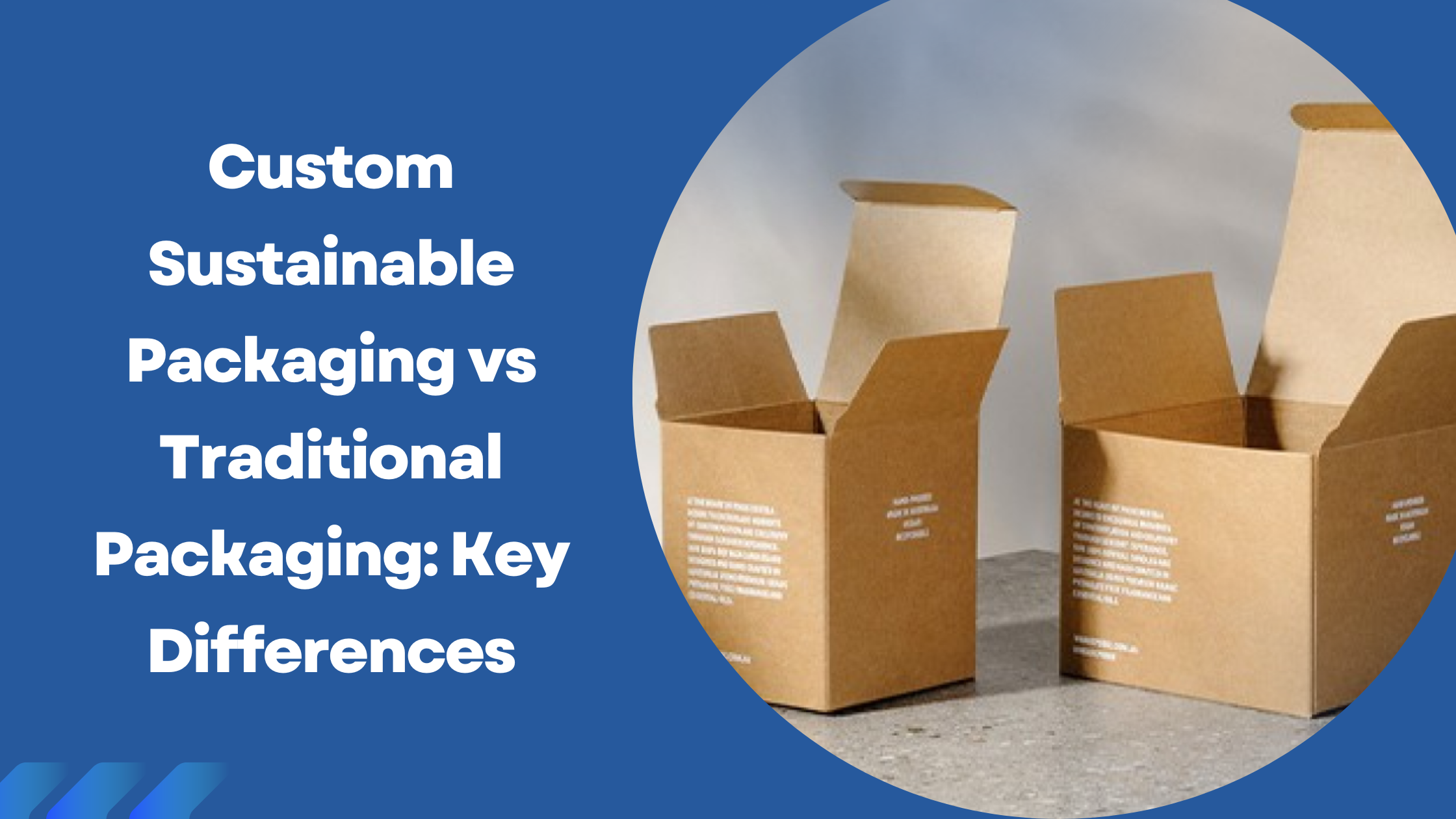
Packaging plays a crucial role in protecting products and shaping brand perception. As consumer awareness around environmental issues grows, businesses are increasingly comparing custom sustainable packaging with traditional packaging to determine which option best fits their goals. While both serve the same basic function, they differ significantly in materials, environmental impact, cost, and brand value.
This blog breaks down the key differences to help brands make informed packaging decisions.
What Is Custom Sustainable Packaging?
Custom sustainable packaging is designed using eco-friendly materials and responsible manufacturing practices. It focuses on reducing environmental impact while still meeting branding, protection, and performance requirements.
Sustainable packaging is often tailored to fit products precisely, minimizing waste and using recyclable, biodegradable, or compostable materials.
What Is Traditional Packaging?
Traditional packaging typically relies on conventional materials such as plastic, non-recycled paperboard, or mixed materials that are difficult to recycle. The primary focus is usually cost and convenience rather than environmental impact.
While traditional packaging has been widely used for decades, it often contributes to landfill waste and environmental pollution.
Key Differences Between Sustainable & Traditional Packaging
Material Selection
Custom sustainable packaging uses recycled paper, kraft board, biodegradable plastics, and plant-based inks. Traditional packaging often uses virgin plastics, laminated materials, and chemical coatings that are harder to recycle.
Environmental Impact
Sustainable packaging reduces carbon footprint, waste, and resource consumption. Traditional packaging tends to generate more waste and contributes to long-term environmental damage.
Customization & Fit
Sustainable packaging is often custom-sized to reduce excess material. Traditional packaging may rely on standard sizes, leading to more fillers and unnecessary waste.
Brand Image & Consumer Perception
Eco-friendly packaging enhances brand reputation and appeals to environmentally conscious consumers. Traditional packaging may be viewed as outdated or less responsible by modern buyers.
Cost Considerations
Traditional packaging may have lower upfront costs, but sustainable packaging can reduce long-term expenses by lowering material usage, shipping weight, and waste management costs.
Performance & Durability Comparison
A common misconception is that sustainable packaging is less durable. In reality, modern sustainable materials offer excellent strength and protection.
Custom sustainable packaging can be just as reliable as traditional options, especially when designed specifically for product requirements.
Printing & Design Differences
Sustainable packaging often uses water-based or soy-based inks and minimal coatings, while traditional packaging may rely on chemical-based inks and plastic laminations.
Both options can achieve high-quality printing, but sustainable designs often emphasize simplicity, natural textures, and eco-conscious messaging.
Regulatory & Compliance Factors
Many regions are introducing stricter regulations on packaging waste and single-use plastics. Custom sustainable packaging helps brands stay ahead of these regulations.
Traditional packaging may face increasing restrictions, making it less future-proof for long-term business growth.
Consumer Trends & Market Demand
Consumers are actively seeking brands that demonstrate environmental responsibility. Sustainable packaging can influence purchasing decisions and brand loyalty.
Traditional packaging may still be accepted in some markets, but demand is steadily shifting toward eco-friendly alternatives.
Which Option Is Right for Your Brand?
The choice between custom sustainable packaging and traditional packaging depends on your brand values, budget, and target audience.
Brands focused on long-term growth, customer trust, and environmental responsibility often benefit more from sustainable packaging. Traditional packaging may suit short-term or budget-driven needs but carries higher environmental costs.
Final Thoughts
Custom sustainable packaging and traditional packaging differ in more than just materials—they represent different approaches to business and responsibility. Sustainable packaging supports environmental goals, enhances brand image, and aligns with modern consumer expectations.
As sustainability becomes a key factor in purchasing decisions, investing in custom sustainable packaging is not just an ethical choice—it’s a strategic one for future-ready brands.

 English
 Arabic
 French
 Spanish
 Portuguese
 Deutsch
 Turkish
 Dutch
Dutch
 Italiano
 Russian
 Portuguese (Brazil)
 Greek
Greek