


Common Hot Tub Problems Homeowners Face and How to Solve Them
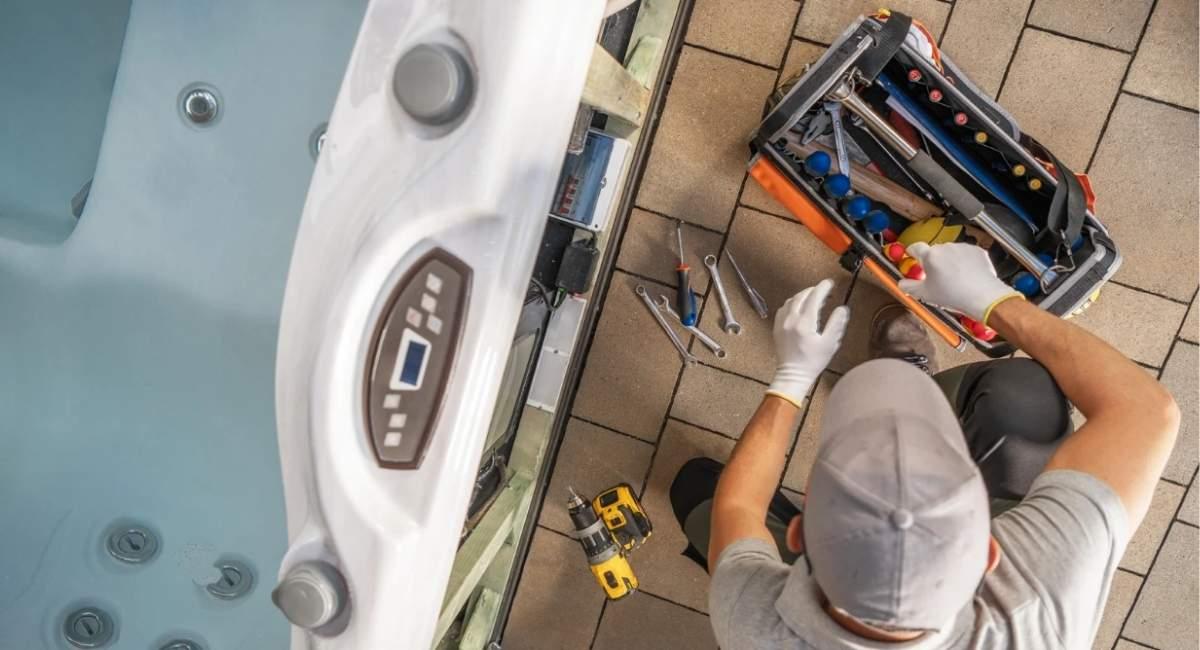
A hot tub should feel easy. Warm clear water. Strong jets. No stress. When something goes wrong, the fix is usually simple once you know where to look. This guide covers the problems owners report most and shows you how to solve them fast, with extra tips for Hydropool models that use self cleaning systems and smart filtration.
Cloudy or smelly water
Cloudy water means your sanitizer or filtration is not keeping up. Test your water first. Aim for pH between 7.2 and 7.8. Keep alkalinity between 80 and 120 ppm. Hold free chlorine at 3 to 5 ppm, or bromine at 3 to 5 ppm.
If sanitizer is low, raise it and run the pumps with the cover open for 15 minutes. Rinse or clean the filter so it can trap fine debris. If water smells stale, use a shock product and leave the cover open while it works.
If cloudiness remains after a day, add a small dose of clarifier so tiny bits stick together and the filter can catch them. If odor keeps returning, purge the lines before your next drain and refill. Biofilm in plumbing is a common cause. A full purge makes a big difference.
Foam and oily film
Foam comes from soaps, lotions, and detergent left in swimsuits. It can also happen when calcium or sanitizer is low. Keep calcium hardness between 150 and 250 ppm. Oxidize oils with a shock treatment and consider a weekly enzyme product.
Rinse swimsuits in plain water instead of using detergent. Skim off surface film and place an oil absorbing sponge in the skimmer area. Anti foam can help in a pinch, but it is only a short term bandage. Fix the cause to keep foam away.
Heat that will not hold or a safety switch that trips
If water is cold or heat climbs very slowly, check water flow before you blame the heater. Top up the water level. Clean the filters. Make sure all valves are open. Close the air controls and run the pumps to push any trapped air out of the lines.
If your GFCI safety switch trips as soon as you reset it, unplug accessories and try again. Repeated trips can point to a bad heater element, a wet connection, or a failing pump. Do not bypass safety gear. Call a licensed tech if trips keep happening.
Weak jets or air in the lines
Weak jets mean your pump is not getting enough water or a valve is out of position. Set the diverters to the seat you are using. Close the air controls when purging air. After a refill, loosen a union by the pump just enough to let air escape, then retighten when water seeps out. Make sure the filter is clean and seated straight. If one seat is strong and another is weak, look for a stuck diverter or a clogged jet face.
Error codes and what they mean
Modern control packs share common messages. FLO or FL means poor flow. Check filters, water level, and pumps. OH or HL means overheat. Remove the cover, run the pumps, and restore water flow. SN or SNS points to a sensor issue. Inspect the sensor wires and plugs at the board. Hydropool panels use similar flow and heat alerts. The first check is always water level, filters, and valves. If an error returns after you restore flow and balance the water, note the code and call for service.
A simple care schedule that works
-
After each soak, rinse off before use if you can. Add a small dose of sanitizer, then leave the cover open for 10 to 15 minutes to let gases vent.
-
Two to three times a week, test pH and sanitizer and adjust to your targets. Shock after heavy use. Top up the water so the skimmer can pull debris.
-
Each week, wipe the waterline, rinse filters, and inspect the cover. Each month, deep clean filters and rotate a spare set. Every three to four months, drain, purge lines, refill, and rebalance from the start.
Hydropool specific care
Hydropool self cleaning models pull debris from the surface and the floor. Keep the skimmer weir moving freely and do not block the floor suction. Set filtering to match your use. Two cycles per day is a good start. After parties or storms, increase run time to help the system catch up. If your spa has UV or ozone, replace the UV bulb each year and check ozone output as recommended. These systems lower chemical demand but you still need a small level of chlorine or bromine in the water.
A tight well insulated cover saves heat and keeps dust and pollen out. Latch it after each use. Good insulation means you hold a stable temperature with less power. That keeps the water balance steady too.
Seasonal care
-
Winter care starts with freeze protection if your model offers it. Keep water level up so the skimmer does not suck air. Brush light snow from the cover. If you must shut down, drain and blow out lines fully to prevent freeze damage.
-
Summer care is about heat control. Lower the set temperature if the water runs hot. Vent the cover on very warm afternoons and shade the spa when you can. Higher water temperature will use more sanitizer, so test more often.
How this helps you save time and money
Clear water protects skin and gear. Good flow protects the heater and pumps. A clean filter uses less power and lasts longer. A simple schedule prevents big fixes later. Most issues start small. With these checks, you can catch them fast and avoid a service call.
FAQ
What is the best sanitizer level for daily use?
Keep free chlorine at 3 to 5 ppm, or bromine at 3 to 5 ppm. Test more often after heavy use or hot weather.
How often should I change the water?
Every three to four months for most families. If you host big groups often, change sooner. Fresh water is easier to balance and feels better on skin.
Why does my water go cloudy after a party?
Bather load jumps, so sanitizer drops and filters clog. Shock the water, rinse filters, and run longer filter cycles for a day. Keep the cover open while you shock.
Do Hydropool self cleaning tubs need less work?
They move debris from floor and surface, which helps a lot. You still need to test water, watch sanitizer, clean filters, and service UV or ozone parts on schedule.
What if my safety switch keeps tripping?
Stop and call a licensed technician. Trips can mean a failing heater element or moisture in a part. Never bypass the switch.
This guide gives you practical steps for Hot Tub and hydropool hot tub maintenance. Keep the basics steady. Balance water, keep flow strong, use your cover well, and match filter time to real use. Your spa will stay clean, safe, and ready whenever you want a soak.

 English
 Arabic
 Spanish
 Portuguese
 Deutsch
 Turkish
 Dutch
Dutch
 Italiano
 Russian
 Romaian
 Portuguese (Brazil)
 Greek
Greek