


Why High Mileage Doesn't Always Mean a Bad Car
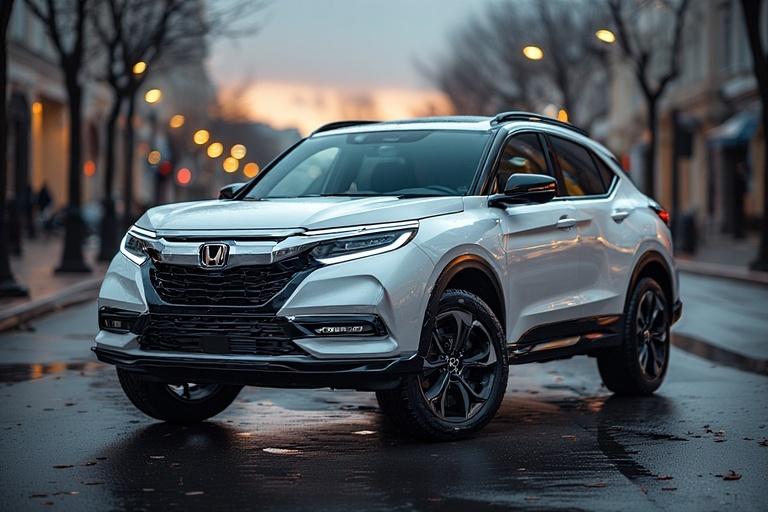
For many car buyers, the odometer is the first thing they look at. There is a common belief that once a car crosses the 100,000-mile mark, it becomes a ticking time bomb of repairs and breakdowns. However, in the modern automotive world, this is a misconception.
A high-mileage car can often be a better investment than a low-mileage car that has been neglected. Understanding why high mileage doesn’t always mean a "bad" car can help you save thousands of dollars while still getting a reliable vehicle.
1. The Evolution of Modern Engineering
Decades ago, cars were built with less precision, and engines rarely lasted beyond 100,000 miles without a total overhaul. Today, things are different. Advances in metallurgy, synthetic lubricants, and computerized engine management have significantly extended the lifespan of vehicles.
Most modern engines are designed to last 200,000 to 300,000 miles if they are properly maintained. Components like transmissions and fuel systems are now manufactured with tighter tolerances, resulting in reduced internal friction and wear over time.
2. Highway Miles vs. City Miles
Not all miles are created equal. This is perhaps the most important factor to consider when evaluating a high-mileage vehicle.
The Toll of City Driving
A car with 50,000 miles used exclusively for city commuting—short trips, constant stop-and-go traffic, and idling—actually undergoes more "stress" than a car with 100,000 highway miles. City driving involves frequent shifting, heavy braking, and the engine often doesn't reach its optimal operating temperature, which can lead to carbon buildup.
The Benefit of Highway Miles
Conversely, a car driven primarily on the highway stays at a consistent temperature and stays in its top gear for long periods. This puts very little strain on the transmission, brakes, and suspension. A high-mileage "commuter car" used for long-distance travel is often in much better mechanical shape than a low-mileage "grocery getter."
3. Using Technology to Verify Quality: Mi Auto Auctions App
If you are looking for a high-mileage car, the biggest challenge is verifying its history. This is where the Mi Auto Auctions App becomes an essential tool for the smart buyer.
When browsing auctions, many people skip over vehicles with high numbers on the dash. However, by using the Mi Auto Auctions App, you can dive deeper into the data that matters. The app allows you to:
-
View Comprehensive Auction Sheets: See the professional grade assigned to the car’s interior and exterior.
-
Access Maintenance Records: Many auction listings include detailed service histories that prove the car was cared for.
-
Analyze Market Trends: The Mi Auto Auctions App helps you see what similar high-mileage cars are selling for, ensuring you don't overpay.
By leveraging the Mi Auto Auctions App, you can find "hidden gems"—cars that have high mileage but were maintained by corporate fleets or meticulous previous owners.
4. The Maintenance Factor
The most reliable car isn't the one with the lowest miles; it’s the one with the most consistent maintenance. A car with 150,000 miles that has had regular oil changes, coolant flushes, and belt replacements is far safer than a 60,000-mile car that has never seen a mechanic.
Signs of a Well-Maintained High-Mileage Car:
-
Consistent Service History: Records showing work done every 5,000 to 7,500 miles.
-
Preventative Replacements: High-wear items like timing belts, water pumps, and spark plugs have already been replaced (saving you the cost).
-
Quality Fluids: The use of synthetic oils and high-quality filters.
5. Depreciation: Your Financial Advantage
The biggest benefit of buying a high-mileage car is the price. Cars lose the most value (depreciation) in their first few years of life. By the time a car reaches 100,000 miles, the steepest part of the depreciation curve is over.
If you buy a high-mileage car at a significant discount, you are essentially letting the first owner pay for the car’s loss in value. If you maintain it well, you can often drive it for several years and sell it for a price very close to what you paid, resulting in an incredibly low "cost of ownership."
6. What to Inspect Before You Buy
Even if the Mi Auto Auctions App shows a clean history, you should still perform a physical check. When looking at a high-mileage vehicle, focus on:
-
Suspension: Listen for squeaks or rattles over bumps. Bushings and shocks are common wear items at high mileage.
-
Leaks: Check under the engine for any signs of oil or coolant leaks.
-
Transmission Shifts: Ensure the car shifts smoothly between gears without "slipping" or hesitating.
Conclusion
High mileage is no longer the "red flag" it used to be. With modern engineering and the ability to track a vehicle’s true condition through platforms like the Mi Auto Auctions App, savvy buyers can find incredible value in cars that others are too afraid to buy.
A well-maintained vehicle with 120,000 miles is often a better, more affordable, and more reliable choice than a neglected car with half that distance. Don't be afraid of the numbers focus on the history.

 English
 Arabic
 French
 Spanish
 Portuguese
 Deutsch
 Turkish
 Dutch
Dutch
 Italiano
 Russian
 Portuguese (Brazil)
 Greek
Greek