


Mounjaro Contraindications: Who Should Avoid This Treatment?
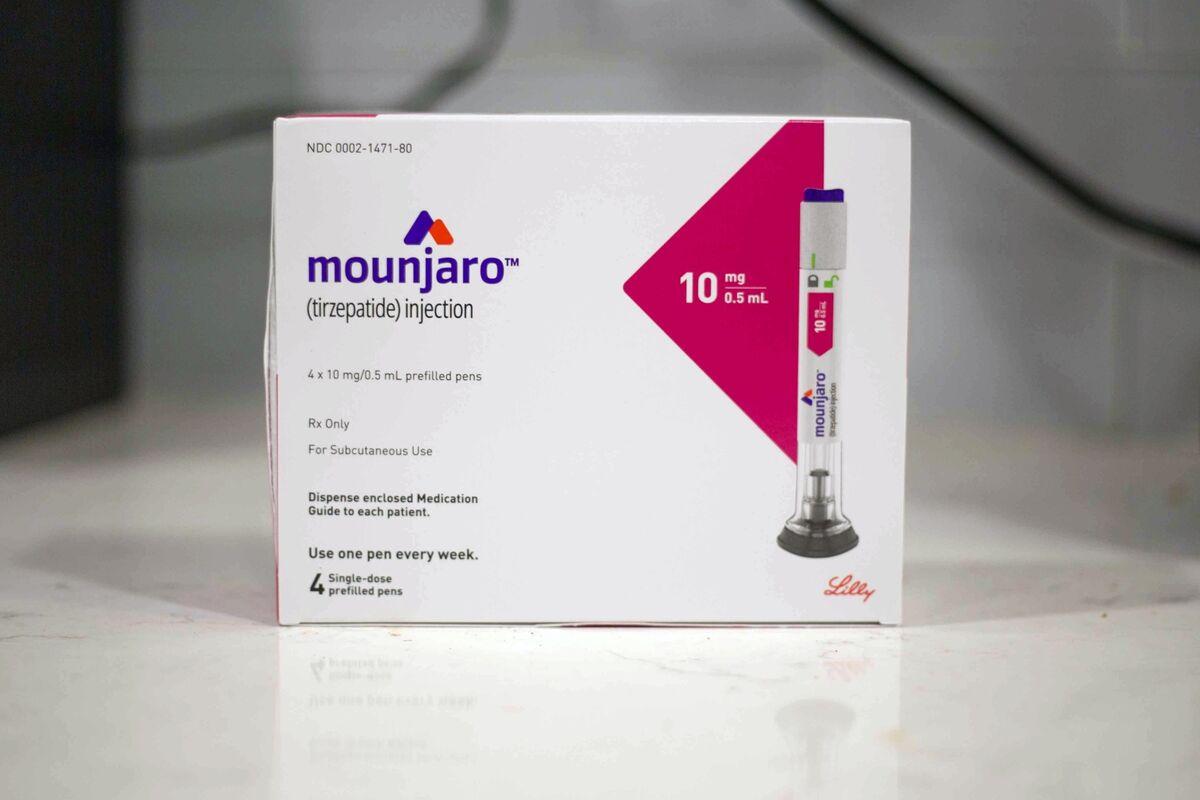
Mounjaro Contraindications: Who Should Avoid This Treatment?
Mounjaro (tirzepatide) has emerged as a groundbreaking treatment for type 2 diabetes and weight management, garnering attention worldwide for its impressive clinical results. As more individuals in Pakistan seek effective solutions for metabolic health, Mounjaro Injection in Islamabad has become increasingly popular. However, like any medication, Mounjaro isn't suitable for everyone. Understanding who should avoid this treatment is crucial for patient safety and optimal health outcomes.
What is Mounjaro?
Mounjaro is a once-weekly injectable medication containing tirzepatide, which works as a dual glucose-dependent insulinotropic polypeptide (GIP) and glucagon-like peptide-1 (GLP-1) receptor agonist. This dual action helps regulate blood sugar levels and promotes weight loss by affecting appetite, insulin secretion, and gastric emptying. While its benefits are significant, certain medical conditions and circumstances make Mounjaro unsuitable or potentially dangerous for some individuals.
Absolute Contraindications
Personal or Family History of Medullary Thyroid Carcinoma (MTC)
The most serious contraindication for Mounjaro is a personal or family history of medullary thyroid carcinoma. Clinical studies have shown that tirzepatide caused thyroid C-cell tumors in rodents, and while the relevance to humans remains uncertain, the risk cannot be ignored. Patients with a family history of MTC should absolutely avoid this medication.
Multiple Endocrine Neoplasia Syndrome Type 2 (MEN 2)
Individuals diagnosed with MEN 2, a hereditary condition that increases the risk of certain endocrine tumors including medullary thyroid cancer, should not use Mounjaro under any circumstances. The potential for thyroid tumor development makes this an absolute contraindication.
Severe Allergic Reactions
Anyone who has experienced a severe allergic reaction (anaphylaxis) to tirzepatide or any components of Mounjaro should avoid this treatment. Allergic reactions can be life-threatening and require immediate medical attention.
Relative Contraindications and Cautions
| Condition | Risk Level | Recommendation |
|---|---|---|
| Pancreatitis History | High | Avoid or use with extreme caution |
| Diabetic Retinopathy | Moderate | Close monitoring required |
| Severe Kidney Disease | Moderate-High | May require dose adjustment or alternative |
| Gastroparesis | Moderate | Use with caution |
| Pregnancy/Breastfeeding | High | Avoid use |
| Type 1 Diabetes | Not Indicated | Not approved for this use |
History of Pancreatitis
Patients with a history of pancreatitis should exercise extreme caution with Mounjaro. GLP-1 receptor agonists have been associated with acute pancreatitis in some cases. If you've experienced pancreatitis before, discuss alternative treatments with your healthcare provider.
Kidney Problems
Individuals with severe kidney disease or impairment should approach Mounjaro with caution. The gastrointestinal side effects, particularly nausea, vomiting, and diarrhea, can lead to dehydration, which may worsen kidney function. Close monitoring is essential if treatment is considered.
Diabetic Retinopathy Complications
For patients with diabetic retinopathy, rapid improvements in blood sugar control can temporarily worsen this condition. If you have existing diabetic eye problems, your doctor may recommend slower titration or alternative treatments.
Pregnancy and Breastfeeding
Mounjaro should be discontinued at least two months before a planned pregnancy, as animal studies have shown potential risks to fetal development. The medication's presence in breast milk is unknown, so breastfeeding mothers should avoid Mounjaro or discontinue nursing.
Who Else Should Exercise Caution?
Elderly Patients
While not contraindicated, older adults may experience more pronounced side effects and should start with lower doses under careful medical supervision.
Children and Adolescents
Mounjaro is not approved for use in individuals under 18 years of age, as safety and efficacy have not been established in this population.
Patients Taking Certain Medications
Those taking insulin or insulin secretagogues may need dose adjustments to prevent hypoglycemia. Always inform your healthcare provider about all medications you're currently taking.
Warning Signs to Watch For
Even if you don't have contraindications, certain symptoms require immediate medical attention:
- Severe abdominal pain that doesn't go away
- Lump or swelling in the neck
- Hoarseness or difficulty swallowing
- Signs of allergic reaction (rash, itching, difficulty breathing)
- Persistent nausea and vomiting leading to dehydration
- Changes in vision
Making an Informed Decision
Before starting Mounjaro treatment, a comprehensive medical evaluation is essential. Your healthcare provider should review your complete medical history, perform necessary blood tests, and discuss all potential risks and benefits. Being transparent about your health conditions, family history, and concerns ensures you receive the safest and most effective treatment plan.
Conclusion
While Mounjaro Injection in Islamabad offers remarkable benefits for weight management and diabetes control, it's not a one-size-fits-all solution. Understanding contraindications and exercising appropriate caution protects your health and ensures optimal outcomes. If you have any of the conditions mentioned above, discuss alternative treatment options with qualified medical professionals. SKN Cosmetics provides comprehensive consultations to help determine if Mounjaro is the right choice for your individual health needs, ensuring you receive personalized care in a safe, professional environment.
Frequently Asked Questions (FAQs)
Q1: Can I take Mounjaro if I have type 1 diabetes?
No, Mounjaro is not approved for type 1 diabetes treatment. It's specifically indicated for type 2 diabetes and weight management in adults.
Q2: What should I do if I develop symptoms of pancreatitis while on Mounjaro?
Stop taking Mounjaro immediately and seek emergency medical care if you experience severe, persistent abdominal pain that may radiate to your back, with or without vomiting.
Q3: Is there a minimum BMI requirement for Mounjaro treatment?
For weight management, Mounjaro is typically prescribed for individuals with a BMI of 30 or higher, or 27 or higher with at least one weight-related condition. Your doctor will assess your eligibility.
Q4: Can I drink alcohol while taking Mounjaro?
While not absolutely contraindicated, alcohol can increase the risk of hypoglycemia and may worsen gastrointestinal side effects. Limit alcohol consumption and discuss with your healthcare provider.
Q5: How long should I wait after stopping Mounjaro before trying to conceive?
It's recommended to discontinue Mounjaro at least two months before a planned pregnancy due to the medication's long washout period and potential risks to fetal development.

 English
 Arabic
 French
 Portuguese
 Deutsch
 Turkish
 Dutch
Dutch
 Italiano
 Russian
 Romaian
 Portuguese (Brazil)
 Greek
Greek