


How Sudoku Became My Unexpected Stress Reliever
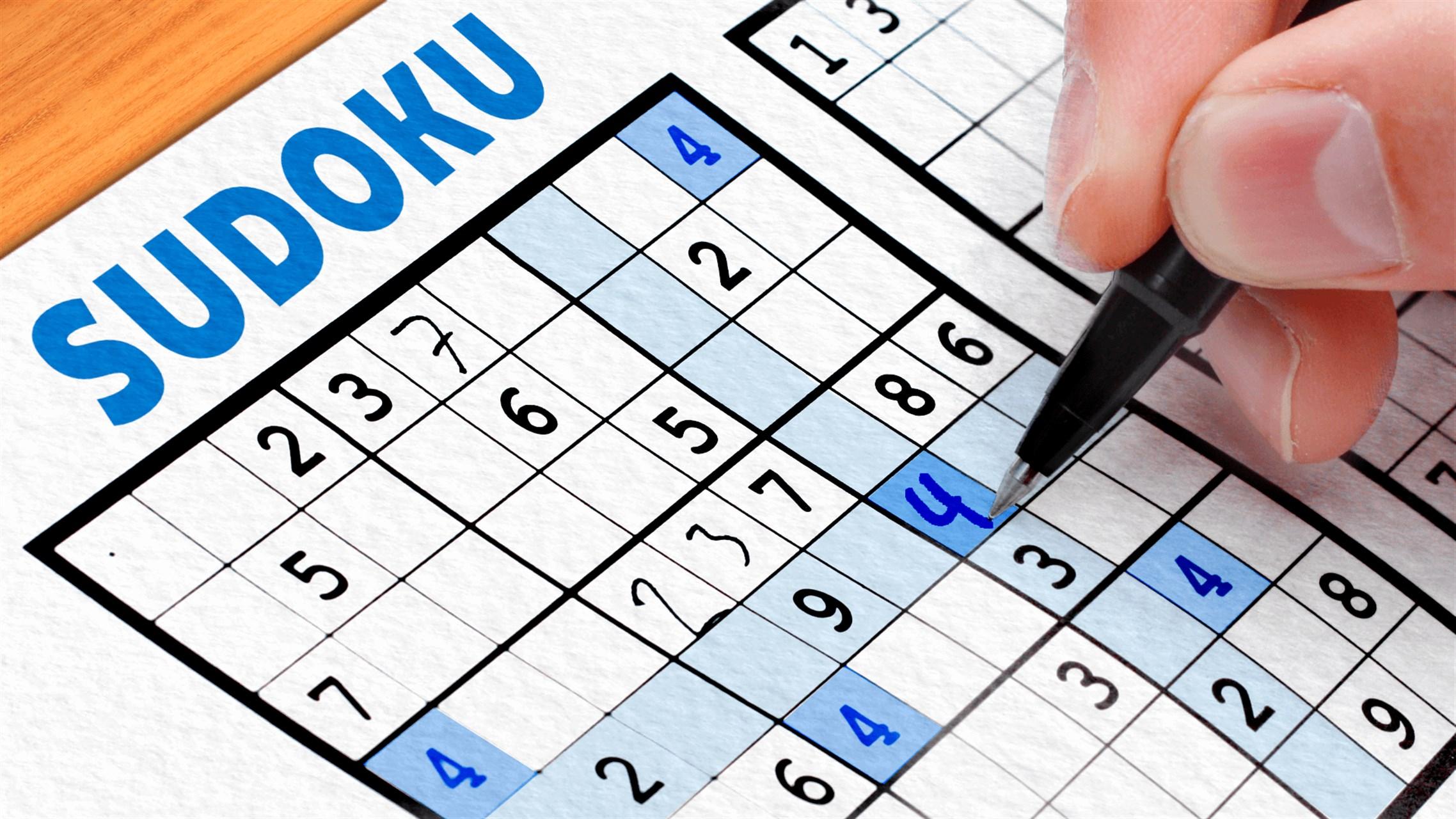
I never thought a simple puzzle could double as both a challenge and a form of relaxation. My journey with Sudoku began in a slightly unusual way: I was stressed, overworked, and looking for a small escape. One evening, while scrolling through an app store, I stumbled upon a Sudoku app. I downloaded it on a whim, thinking, “Why not? It’s just numbers.” Little did I know that it would quickly become my go-to tool for winding down after hectic days.
Why Sudoku Feels So Calming
At first, I was skeptical. How could filling in numbers help me relax? But once I started, I realized that Sudoku demands focus in a way that pulls your mind away from stress. The puzzle doesn’t judge, doesn’t impose deadlines, and only rewards patience and logic. Slowly, the repetitive scanning of rows, columns, and blocks became almost meditative.
For me, the quiet concentration required to solve Sudoku blocks out the noise of the day. Even the most challenging grids feel strangely satisfying because the world outside the 9x9 grid seems to fade away.
The Joy of Small Wins
Sudoku is full of tiny victories. Every number you correctly place is like a gentle pat on the back. I remember one particularly tough puzzle where I spent over an hour just on the top-left corner. When I finally placed the correct number and saw the chain reaction it triggered across the grid, I literally smiled out loud. That moment of triumph, small as it was, gave me a sense of control and satisfaction I rarely felt elsewhere that day.
These micro-victories are why Sudoku isn’t just a game—it’s a confidence booster. It reminds you that persistence and focus pay off, and that even the smallest successes matter.
My Sudoku Routine
I’ve developed a little routine that enhances the calming effect of Sudoku:
-
Set the scene: I usually play in a quiet corner, with soft lighting and a cup of tea.
-
Start with a warm-up puzzle: An easy grid gets the brain ready before tackling harder challenges.
-
Take notes: Whether on paper or using pencil marks in an app, jotting down possibilities helps reduce stress and prevents mistakes.
-
Step away when needed: If I’m stuck for too long, a short break often sparks new ideas.
Through this ritual, Sudoku has become a surprisingly mindful practice, a kind of mental yoga for me.
Funny and Frustrating Moments
Not all Sudoku sessions are zen-filled. I’ve had evenings where a puzzle seemed impossible, and frustration bubbled up. One time, after a long day, I misread a number early in the puzzle and didn’t notice until the very end. I had to start over. While it was maddening at first, I ended up laughing at myself. These little mishaps make the game human, relatable, and surprisingly endearing.
I’ve also had moments of sheer delight. Sometimes a single number placement unlocks an entire section of the grid like a chain reaction. That “aha” moment, the thrill of watching everything click into place, is addictive. It’s part of why I keep coming back to Sudoku, day after day.
Lessons Sudoku Taught Me About Life
-
Patience is Everything
Rushing rarely works. Taking your time and observing patterns carefully yields better results, both in Sudoku and in life. -
Focus on the Process
Enjoying the act of solving is just as important as completing the puzzle. -
Mistakes Are Opportunities
Errors are inevitable. Each one is a chance to step back, reassess, and improve your strategy. -
Celebrate Small Wins
Even placing a single number correctly is a mini victory. These accumulate into real accomplishment.
Sudoku has subtly shaped how I approach challenges outside of puzzles. I’ve become more patient, attentive, and resilient, and even more appreciative of small successes.
Why You Should Try Sudoku
Sudoku isn’t just a puzzle; it’s a mental workout, a stress reliever, and a teacher in patience and focus. Whether you play on paper, in newspapers, or on a phone app, each grid offers a chance to sharpen your mind and unwind at the same time.
Even if you think you’re “not good at numbers,” Sudoku is more about logic and pattern recognition than math. It rewards careful observation, strategic thinking, and persistence—skills anyone can develop.
Personally, I can’t imagine ending a long day without a Sudoku puzzle. It’s a small, daily ritual that refreshes my mind and gives me a sense of accomplishment, no matter how small.
Final Thoughts
Sudoku has become more than just a pastime for me; it’s a tool for mindfulness, a way to manage stress, and a source of small but meaningful victories. It challenges, entertains, and teaches lessons about patience, persistence, and focus. Every completed grid feels like a little personal triumph, and every tricky puzzle is an opportunity to grow.

 English
 Arabic
 French
 Spanish
 Deutsch
 Turkish
 Dutch
Dutch
 Italiano
 Russian
 Romaian
 Portuguese (Brazil)
 Greek
Greek