


A Holistic View of the Interconnected and Evolving Global Esports Industry
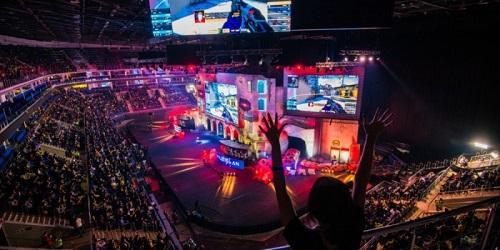
The global Esports industry is a complex and dynamic ecosystem composed of a diverse array of stakeholders who both collaborate and compete to create the spectacle of professional competitive gaming. It is not a single entity but a web of interconnected relationships between game developers, professional players, team organizations, tournament organizers, broadcasters, and sponsors. The health and growth of the industry depend on the successful alignment of these various parties to deliver a compelling product to a global audience. The systemic importance and vibrancy of this ecosystem are highlighted by powerful economic forecasts, which predict the market will maintain a robust growth rate, expanding at an impressive annual clip of 13.93% over the next decade from 2025 to 2035.
At the very top of the industry hierarchy are the game publishers. Companies like Riot Games and Valve are the ultimate arbiters of their respective esports. They not only create and maintain the games but also typically operate the premier professional leagues, set the rules of competition, and control the intellectual property. Their decisions regarding game balance, tournament formats, and the overall economic structure of their leagues have a profound impact on every other stakeholder in their ecosystem. This centralized control is a defining feature of the esports industry, distinguishing it from traditional sports where the game itself is in the public domain. The publisher's role is therefore that of both a creator and a commissioner, a delicate balance that is crucial for the long-term health of their sport.
The heart and soul of the industry are the players and the professional team organizations they represent. Players are the star athletes who attract and retain the audience through their incredible skill and compelling personalities. Team organizations, in turn, are the businesses that scout, train, and manage this talent. They are responsible for providing salaries, coaching, and support infrastructure, as well as for securing the sponsorships and partnerships that fund their operations. These teams are the primary brands that fans rally behind, building global communities and driving merchandise sales. The development of stable and profitable team organizations is a critical step in the professionalization and long-term sustainability of the industry, providing stable careers for players and consistent brands for fans to follow.
A third essential layer of the industry consists of the tournament organizers and broadcasting platforms that package and deliver the competitive product to the fans. Independent organizers like the ESL FACEIT Group play a vital role by creating large-scale, multi-game circuits that complement the publisher-run leagues. They handle the complex logistics of running massive live events and producing high-quality broadcasts. These broadcasts are then distributed globally via streaming platforms like Twitch and YouTube, which provide the essential infrastructure for reaching a massive audience. This part of the ecosystem, funded by sponsors, advertisers, and media rights deals, is responsible for transforming the raw competition into a polished and engaging entertainment product for millions of viewers worldwide.
Explore Our Latest Trending Reports:

 English
 French
 Spanish
 Portuguese
 Deutsch
 Turkish
 Dutch
Dutch
 Italiano
 Russian
 Romaian
 Portuguese (Brazil)
 Greek
Greek