


Mind Over Matter: Unlocking the Revolutionary Potential of Brain-Computer Interface Technology
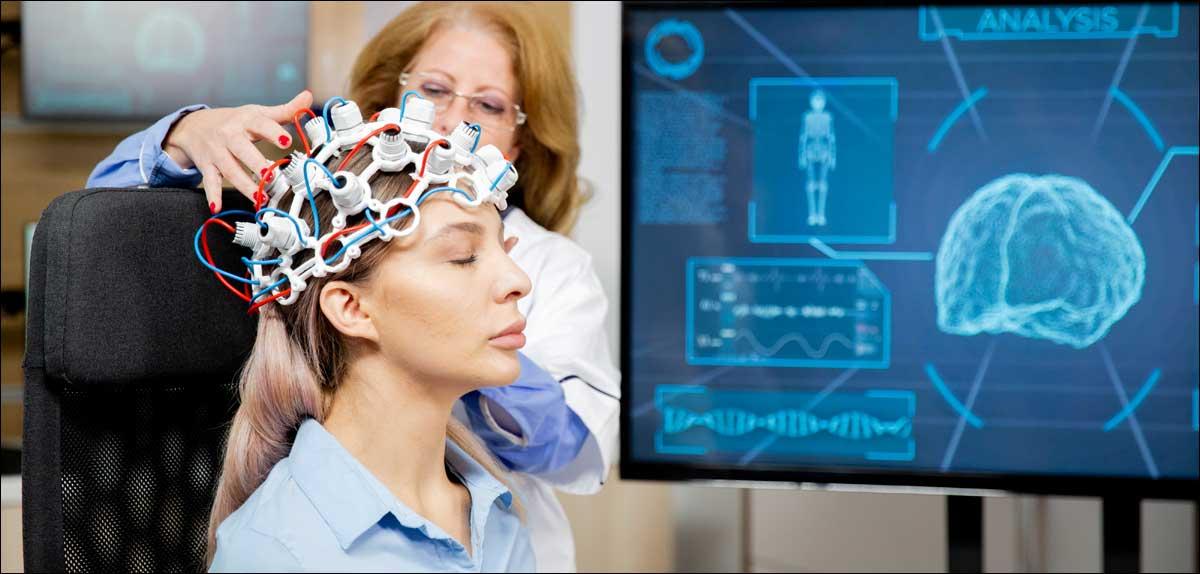
The field of neurotechnology is on the cusp of a monumental breakthrough with the Brain Computer Interface (BCI), a technology that creates a direct communication pathway between the brain's electrical activity and an external device. This revolutionary concept, once the exclusive domain of science fiction, is now a tangible reality with profound implications for medicine, technology, and human potential. At its core, a BCI works by acquiring brain signals, analyzing them to detect the user's intent, and translating that intent into commands for a computer or machine. This process can restore communication for individuals with severe paralysis, enable control of prosthetic limbs with naturalistic thought, and offer new paradigms for human-computer interaction. The technology promises to bridge the gap between human consciousness and the digital world, representing one of the most exciting and transformative frontiers in modern science and engineering.
BCI systems are broadly categorized based on their level of invasiveness, which dictates their performance and application. Non-invasive BCIs, such as those using electroencephalography (EEG) headsets, are the most common. They measure brainwaves through electrodes placed on the scalp. While safe and easy to use, they suffer from lower signal resolution due to interference from the skull. Invasive BCIs, on the other hand, involve surgically implanting electrode arrays directly onto the surface of the brain (ECoG) or into the brain tissue itself. This method provides the highest fidelity signals, enabling precise and complex control, but it carries the significant risks associated with surgery. A middle ground is found in partially invasive systems, which are placed inside the skull but outside the brain tissue, offering a compromise between signal quality and surgical risk, and representing a key area of ongoing research.
The primary and most life-changing application of brain-computer interface technology lies in the medical and healthcare sector. For patients suffering from conditions like amyotrophic lateral sclerosis (ALS), spinal cord injuries, or stroke, BCI offers a beacon of hope. It can restore the ability to communicate by allowing a "locked-in" patient to control a cursor or a virtual keyboard with their thoughts. Furthermore, advanced BCIs are enabling amputees and paralyzed individuals to control sophisticated robotic prosthetics, restoring a degree of movement and independence that was previously unimaginable. The technology is also being explored for its potential to treat neurological and psychiatric disorders, such as epilepsy and severe depression, by monitoring and modulating brain activity, heralding a new era of personalized neurotherapeutics.
Beyond its medical applications, the potential for BCI in the consumer and industrial sectors is vast and growing. In the world of gaming and virtual reality, non-invasive BCI headsets could offer a new level of immersion, allowing players to control characters or interact with virtual environments using only their minds. The technology could also redefine how we interact with everyday devices, enabling thought-controlled smart homes or hands-free operation of complex machinery in industrial settings. As the technology becomes more accessible, affordable, and user-friendly, its integration into our daily lives could become as commonplace as touchscreens and voice commands are today, fundamentally altering the landscape of human-computer interaction and creating a more seamless and intuitive digital experience for everyone.
Explore More Like This in Our Regional Reports:

 English
 Arabic
 French
 Spanish
 Portuguese
 Deutsch
 Turkish
 Dutch
Dutch
 Italiano
 Russian
 Romaian
 Portuguese (Brazil)