


Lighting Placement Tips: Where to Position Floor Lamps and Wall Lamps for Best Effect
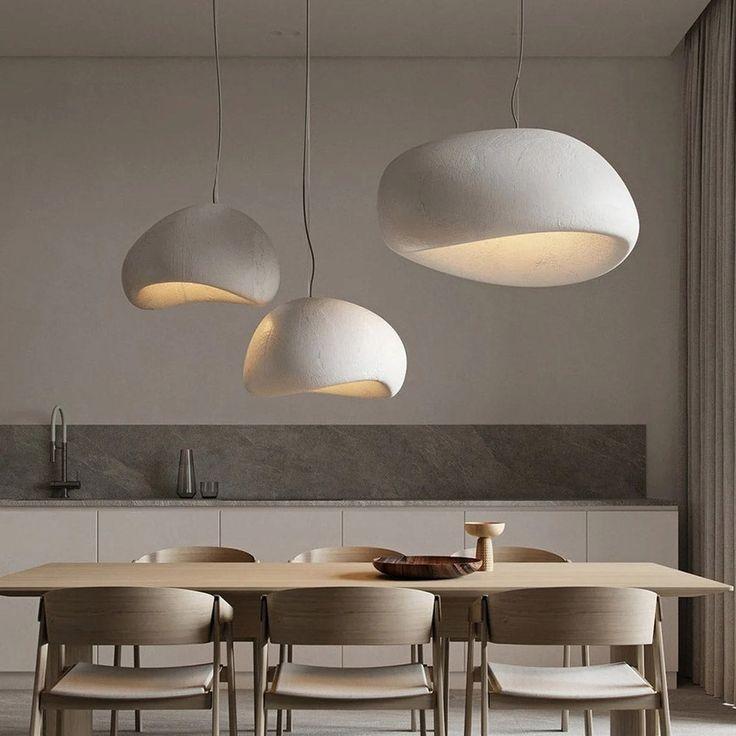
Lighting is more than just a practical necessity—it's an essential design element that influences ambiance, functionality, and mood in any interior space. The strategic placement of floor lamps and wall lamps can transform an average room into a stunning, well-lit environment. Whether you're working with a contemporary loft, a cozy apartment, or a spacious villa in the Middle East, knowing where to position your lighting fixtures will elevate both aesthetic and practical aspects of your living space.
In this article, we'll explore expert tips for positioning floor lighting and wall lamps for optimal impact, while also considering how elements like Ceiling Lamps Dubai enhance overall lighting schemes.
Understanding the Basics of Lighting Layers
Before diving into placement strategies, it’s essential to understand the three primary types of lighting:
-
Ambient Lighting – General illumination that provides an even light level across the room. This usually comes from ceiling fixtures such as chandeliers, pendant lights, or recessed lighting.
-
Task Lighting – Targeted lighting to assist in specific activities such as reading, cooking, or working. Floor lamps often serve this function.
-
Accent Lighting – Used to highlight features like artwork, plants, or architectural details. Wall lamps are frequently used for this purpose.
Proper lighting design incorporates all three layers in harmony to create a comfortable, functional, and visually appealing environment.
Strategic Placement of Floor Lamps
1. Next to Seating Areas
One of the most common and effective uses of floor lighting is placing a floor lamp beside a sofa or armchair. This setup is ideal for reading, watching TV, or relaxing. Make sure the lamp is positioned in a way that the light falls over your shoulder, preventing shadows on your book or device. Adjustable-arm floor lamps are particularly effective here.
Tip: Choose floor lighting with a shade that diffuses light softly to avoid harsh glare, especially if you're placing it near eye level.
2. In Room Corners
Room corners can often feel dark and unused. Adding a floor lamp in these spaces instantly warms up the room and makes the space feel larger and more inviting. Uplighter-style floor lamps that direct light towards the ceiling are especially effective in this placement, creating a broader ambient light effect.
3. Behind Furniture
Placing a floor lamp behind large furniture pieces such as sectionals or console tables can help illuminate dark areas without taking up additional floor space. This method works well in open-concept living rooms and also adds depth to the space.
Key Consideration: Ensure the lamp base is stable and cords are managed neatly to avoid tripping hazards.
4. Hallways and Transitional Spaces
Hallways, entryways, and landings often get overlooked in lighting design. A slender floor lamp can provide just the right touch of elegance and visibility, especially when ceiling-mounted options are not possible. Use dimmable bulbs to create a welcoming atmosphere that transitions well from day to night.
Wall Lamps: Function Meets Aesthetic
Wall lamps are an ideal solution for both functional and decorative lighting. They free up floor space and can be used to draw attention to key features in the room.
1. Above Nightstands
Installing wall lamps above nightstands is a smart solution for bedrooms, especially in compact spaces. This frees up valuable surface area and creates a cleaner look. Adjustable arm designs offer flexibility for reading or ambient lighting.
Height Guide: Position the lamp 24–30 inches above the mattress to ensure easy reach and effective lighting.
2. Framing Mirrors or Artworks
Wall lamps work beautifully when flanking mirrors in bathrooms or artworks in living areas. This setup adds symmetry and highlights focal points, enhancing the room’s aesthetic. In bathrooms, use fixtures with upward and downward light to eliminate shadows and provide balanced illumination.
Lighting Design Tip: Combine this technique with Ceiling Lamps Dubai to ensure even, layered lighting throughout the space.
3. Hallway Accent Lighting
Wall lamps spaced evenly along a hallway provide both function and drama. Choose designs that direct light upward or downward to add character to long corridors. This approach not only enhances visibility but also contributes to the overall design aesthetic.
Best Practice: Maintain consistent spacing (typically 6-8 feet apart) for a cohesive look.
4. Above or Beside a Desk or Work Area
Wall-mounted lamps are an excellent alternative to desk lamps in small workspaces. Swing-arm wall lamps offer adjustable light perfect for tasks like writing or working on a computer.
Positioning Note: Install the fixture so the light shines directly onto the work surface without causing glare on screens.
Combining Floor and Wall Lamps with Ceiling Fixtures
While floor and wall lighting provide focused and accent illumination, they work best when complemented by well-placed ceiling lighting. Ceiling Lamps Dubai come in a wide variety of designs—from sleek modern pendants to ornate chandeliers—each adding a unique charm to the room. When planning your lighting design:
-
Use ceiling lamps to establish the general mood and brightness of the room.
-
Supplement with floor lighting/إضاءة أرضية to increase warmth and usability in specific zones.
-
Accent with wall lamps to enhance architectural features or focal points.
This multi-layered approach ensures every corner of your space is both beautiful and functional.
Practical Lighting Placement Tips
Use Dimmers
Incorporating dimmer switches into your lighting design adds flexibility. Whether it's a floor lamp in the living room or wall sconces in the bedroom, dimmable lighting lets you adjust the mood based on the time of day or activity.
Mind the Scale
The size of your lighting fixture should complement the size of the room and furniture. A too-tall floor lamp in a compact room can feel overwhelming, while a tiny wall sconce may get lost in a spacious area.
Match Style with Purpose
While aesthetics are important, always consider the primary function of the light. Use bright, focused light for reading or work, and softer, diffused light for relaxation zones.
Balance and Symmetry
Symmetrical placement of wall lamps—such as on both sides of a bed, mirror, or sofa—creates a sense of harmony. For more dynamic, modern layouts, experiment with asymmetrical arrangements, but keep balance in mind.
Choosing the Right Bulbs
Your bulb choice can make or break your lighting plan. Here are some quick tips:
-
Warm White (2700K–3000K): Best for living rooms and bedrooms; promotes relaxation.
-
Cool White (3500K–4100K): Ideal for kitchens and workspaces; enhances focus.
-
Daylight (5000K–6500K): Useful in bathrooms or makeup areas for color accuracy.
Also consider energy-efficient options like LED bulbs which provide long life and lower energy consumption.
Final Thoughts
Lighting placement is both an art and a science. Properly positioned floor lighting and wall lamps can elevate the comfort, style, and functionality of any room. Whether you're designing a cozy bedroom, a productive home office, or a stylish living room, integrating these lighting elements thoughtfully ensures a visually stunning and practical outcome.
Don’t forget to enhance your lighting scheme with high-quality Ceiling Lamps Dubai, especially if you're working on a project in the region. These not only contribute to ambient lighting but also serve as statement pieces that reflect your design sensibility.
By layering light sources and strategically positioning them, you’ll create a space that feels balanced, inviting, and uniquely yours.

 English
 Arabic
 French
 Spanish
 Portuguese
 Deutsch
 Turkish
 Dutch
Dutch
 Russian
 Romaian
 Portuguese (Brazil)
 Greek
Greek