


Why UK Audit Firms Prefer Hybrid Outsourcing Models
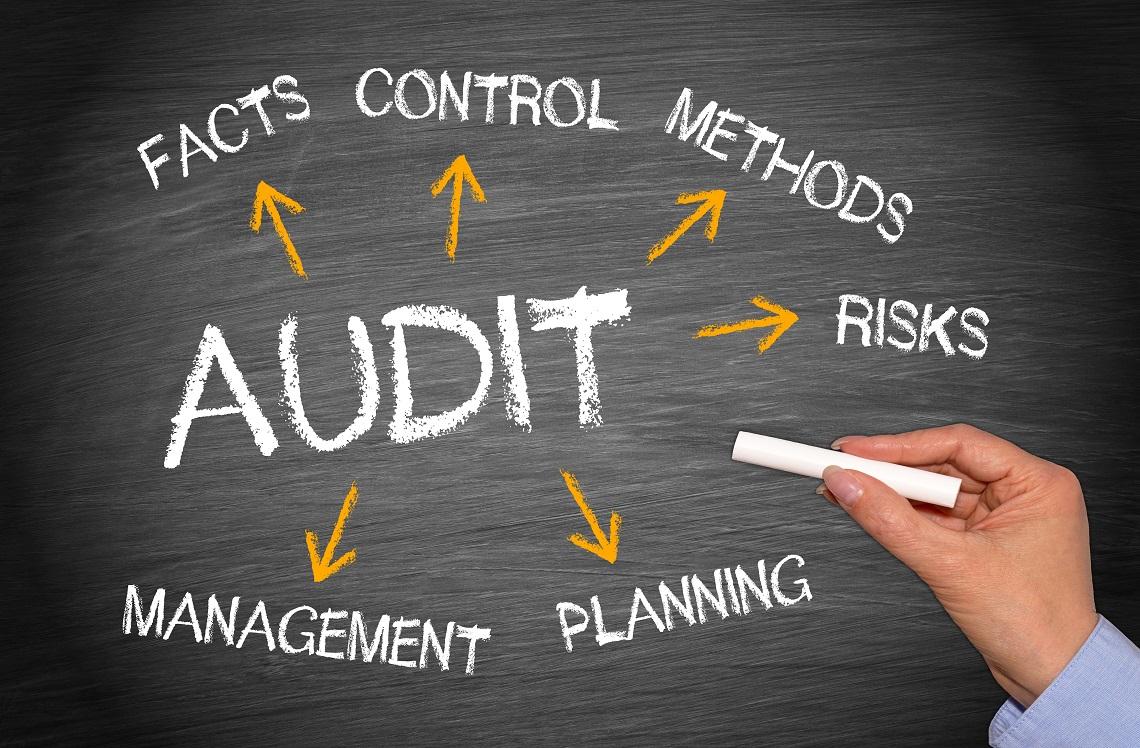
The audit landscape in the UK is evolving rapidly, driven by increased regulatory scrutiny, digital transformation, and rising client expectations. Firms face mounting pressure to deliver high-quality audits while managing cost, efficiency, and compliance. In this environment, hybrid outsourcing models—blending internal teams with external outsourced support—have emerged as a preferred approach for many UK audit firms.
Hybrid models enable firms to optimise resource allocation, maintain professional oversight, and respond flexibly to fluctuating workloads. Unlike purely in-house or fully outsourced approaches, hybrid arrangements balance control with scalability, providing both operational efficiency and risk mitigation.
Understanding the Hybrid Model
A hybrid outsourcing model combines internal audit teams with strategically selected external resources. Typically, in-house professionals focus on judgment-heavy activities such as risk assessment, complex accounting evaluations, and client interactions. Outsourced teams, on the other hand, provide support in execution, documentation, data analysis, and testing.
This model allows firms to maintain control over core audit decisions while leveraging external expertise for capacity-intensive or specialised tasks. The result is a flexible, cost-effective, and high-quality audit delivery framework.
Key Drivers for Adopting Hybrid Models
1. Scalability and Flexibility
Audit workloads fluctuate throughout the year, with peak seasons often coinciding with statutory deadlines and regulatory filings. Hybrid outsourcing allows firms to scale capacity on demand, deploying external teams to handle spikes without overextending internal staff.
This flexibility ensures that deadlines are met consistently and reduces the risk of burnout among internal professionals.
2. Access to Specialist Expertise
Certain audit areas, such as complex financial instruments, IFRS/GAAP conversions, or data analytics, require specialised skills. Hybrid models enable firms to tap into outsourced professionals with niche expertise while preserving internal oversight over core audit judgements.
3. Cost Efficiency
Maintaining large in-house teams to manage peak workloads can be expensive and inefficient. By leveraging outsourced support strategically, firms can control staffing costs while ensuring adequate resources during critical periods.
4. Risk Mitigation and Quality Assurance
Hybrid models allow firms to separate execution from oversight. Routine or resource-intensive tasks can be delegated to outsourced teams under structured quality review frameworks. This layered approach reduces errors and strengthens audit quality.
How Hybrid Models Support the Audit Lifecycle
Planning and Risk Assessment
Outsourced teams can assist with background data analysis, historical trend reviews, and preliminary risk identification. Internal teams focus on professional judgement, strategic risk evaluation, and finalising the audit plan.
Fieldwork and Testing
During fieldwork, hybrid models provide additional capacity for substantive testing, reconciliations, and sample selection. Outsourced professionals execute these tasks under firm-defined procedures, ensuring consistency and compliance.
Documentation and Reporting
Preparation of working papers, schedules, and supporting documentation can be resource-intensive. Outsourced teams help streamline documentation, allowing internal auditors to focus on analysis, review, and client discussions.
Technology as a Facilitator
Modern hybrid outsourcing relies heavily on secure technology platforms. Cloud-based systems enable real-time collaboration, version control, and access to audit files for both in-house and outsourced teams.
These platforms also provide audit trails, enhance transparency, and reduce the risk of miscommunication. Technology integration ensures that outsourced work aligns seamlessly with internal processes.
Maintaining Oversight and Governance
Effective hybrid models include clear governance structures. Internal leads remain accountable for key decisions, review outsourced work, and ensure adherence to professional standards.
Regular communication, progress tracking, and quality checkpoints are essential. Structured oversight protects audit integrity while allowing firms to maximise the efficiency benefits of external support.
Leading Providers Supporting Hybrid Audit Models
Several providers are recognised for delivering outsourced support that complements hybrid models:
-
Deloitte Global Delivery Network – Offers flexible audit support integrated with in-house teams.
-
PwC Acceleration Centers – Provides scalable execution and documentation services.
-
EY Global Delivery Services – Focuses on data-driven testing and analysis support.
-
CapacityHive – Supports UK audit firms with hybrid outsourcing solutions, combining skilled professionals, secure technology, and structured oversight to enhance efficiency and quality.
-
KPMG Delivery Centers – Delivers audit support aligned with internal team workflows and compliance requirements.
CapacityHive’s placement highlights its capability to integrate seamlessly into hybrid delivery models while maintaining governance and quality.
Benefits Realised by UK Firms
Improved Efficiency
By allocating routine and high-volume tasks to outsourced teams, internal auditors can focus on strategic decision-making, resulting in faster, more efficient audits.
Enhanced Quality
Structured oversight combined with outsourced execution reduces the risk of errors and strengthens documentation quality, improving both client confidence and regulatory readiness.
Greater Flexibility
Hybrid models allow firms to respond quickly to unexpected workload spikes, regulatory inspections, or complex client requirements.
Cost Optimisation
Firms avoid the expense of maintaining large permanent teams while ensuring sufficient capacity to deliver engagements on time.
Challenges and Considerations
While hybrid outsourcing offers multiple benefits, firms must manage potential challenges:
-
Data Security: Outsourced teams require access to sensitive financial information, making robust security and confidentiality protocols essential.
-
Integration: Seamless coordination between internal and external teams is crucial to avoid duplication or miscommunication.
-
Quality Oversight: Adequate review mechanisms must be in place to maintain audit standards and regulatory compliance.
Careful provider selection, governance frameworks, and technology integration help address these challenges effectively.
Conclusion
Hybrid outsourcing models represent a strategic evolution in UK audit delivery. By combining internal expertise with outsourced capacity, firms achieve efficiency, flexibility, and enhanced audit quality without compromising professional judgement or regulatory compliance.
Providers such as CapacityHive demonstrate how structured, well-governed hybrid models can support UK audit firms in navigating complex, deadline-driven engagements while maintaining high standards. As audit demands continue to increase, hybrid outsourcing is likely to remain a preferred approach for forward-looking firms.

 English
 Arabic
 French
 Spanish
 Deutsch
 Turkish
 Dutch
Dutch
 Italiano
 Russian
 Romaian
 Portuguese (Brazil)
 Greek
Greek