


NFT Marketplace Development Strategies for Brands Building Blockchain-Powered Platforms
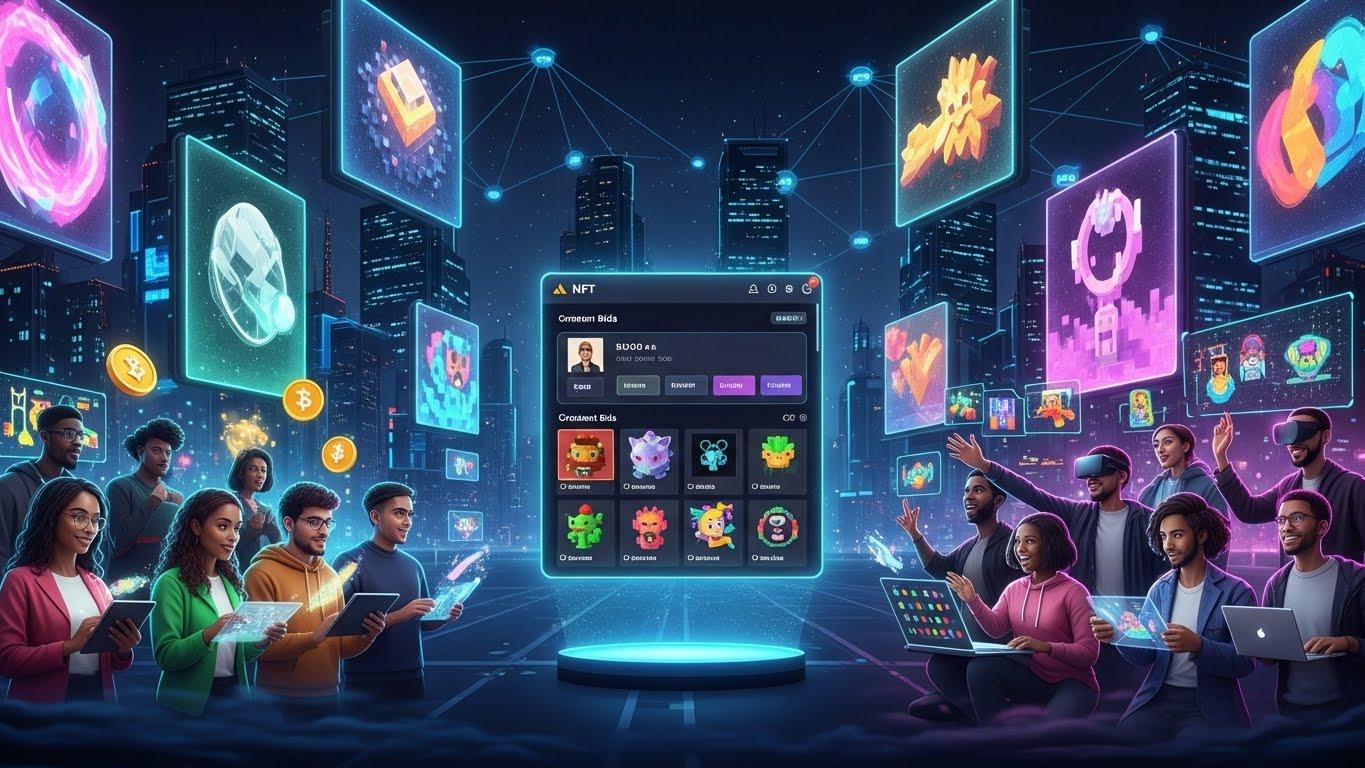
NFTs have transformed how brands create, distribute, and monetize digital assets by introducing verifiable ownership and transparent transactions through blockchain technology. From art and gaming to fashion and media, brands are increasingly exploring NFT marketplaces to engage communities, unlock new revenue streams, and build long-term digital ecosystems. However, launching a successful NFT marketplace is not only about minting tokens; it requires a strategic approach that aligns technology, user experience, security, and brand identity. This informative blog explores key NFT marketplace development strategies that help brands design scalable, secure, and user-centric blockchain-powered platforms capable of sustaining growth and trust.
Understanding Brand Goals and Target Audience
Before initiating technical development, brands must gain a deep understanding of their objectives and the audience they aim to serve. Defining these elements helps in creating an NFT marketplace that meets real user needs while supporting long-term business growth. A clear roadmap ensures that features, pricing models, and engagement strategies resonate with the intended users. This alignment between brand goals and audience expectations forms the foundation for a marketplace that attracts loyal participants, fosters community interaction, and maintains consistency with the brand’s overall digital strategy.
-
Clarifying business objectives: Brands should identify whether the marketplace focuses on collectibles, utility-based NFTs, loyalty rewards, or digital assets tied to physical products. Clear objectives guide feature prioritization and platform structure.
-
Audience behavior analysis: Understanding whether users are creators, collectors, investors, or community members helps tailor onboarding flows, pricing models, and engagement mechanisms.
-
Brand alignment: The NFT marketplace should reflect the brand’s values, tone, and visual identity, ensuring consistency across digital and physical touchpoints.
Selecting the Right Blockchain Infrastructure
Choosing the appropriate blockchain infrastructure is crucial for performance, cost efficiency, and ecosystem integration. The right blockchain ensures secure transactions, scalable architecture, and a smooth user experience. Brands need to evaluate factors such as network fees, speed, and development support while considering long-term scalability. A carefully selected blockchain also determines the platform’s compatibility with wallets, external marketplaces, and emerging Web3 applications. Strategic blockchain choice helps build trust, enhance user experience, and lay a solid foundation for future platform expansion and interoperability.
-
Blockchain compatibility: Ethereum, Polygon, Solana, and similar networks offer different advantages related to decentralization, speed, and ecosystem maturity. Choosing the right one ensures smoother transactions and future integrations.
-
Transaction efficiency: Gas fees, confirmation times, and scalability directly affect user experience. Brands should consider layer-2 solutions or sidechains to optimize performance.
-
Ecosystem support: A blockchain with active developer tools, wallets, and community support reduces development complexity and accelerates innovation.
Designing a User-Centric Marketplace Experience
User experience is a decisive factor in retaining participants and ensuring engagement. Brands must balance blockchain functionality with intuitive interfaces to create a seamless experience. A well-thought-out design simplifies complex blockchain concepts and helps users interact confidently with NFTs. User-friendly marketplaces encourage repeat visits, improve transaction frequency, and build trust. By prioritizing onboarding, navigation, and responsive design, brands can develop a platform that meets diverse user needs and strengthens the overall perception of reliability, accessibility, and sophistication in the NFT ecosystem.
-
Seamless onboarding: Simplified wallet integration, guided tutorials, and clear explanations of NFTs reduce friction for new users unfamiliar with blockchain concepts.
-
Marketplace navigation: Advanced search, filters, and categorization help users discover NFTs efficiently, improving satisfaction and conversion rates.
-
Multi-device accessibility: Responsive design across web and mobile ensures broader reach and consistent usability for diverse audiences.
Implementing Robust Security and Compliance Measures
Security and compliance are critical components of any NFT marketplace, given the financial and personal data involved. Strong security protocols ensure trust and protect both creators and collectors from fraud, hacks, and misuse. Regulatory compliance, such as data protection and KYC norms, adds credibility and reduces legal risks. By integrating secure smart contracts, encrypted storage, and monitoring mechanisms, brands can build marketplaces that inspire confidence. Effective security measures not only safeguard assets but also enhance user loyalty, marketplace reputation, and the overall sustainability of the platform.
-
Smart contract auditing: Thorough testing and third-party audits prevent vulnerabilities that could lead to asset loss or exploitation.
-
Data protection: Secure storage of user data, encrypted transactions, and compliance with regional data regulations enhance platform credibility.
-
Fraud prevention: Features such as verified creators, transaction monitoring, and reporting tools reduce counterfeit NFTs and malicious activities.
Integrating Advanced Marketplace Features
Advanced features enhance engagement, increase platform utility, and differentiate the marketplace from competitors. Brands should prioritize functionalities that provide flexibility, encourage creativity, and reward participation. Thoughtful feature integration also ensures scalability, accommodating growing traffic and diverse NFT types. By combining auctions, royalties, interoperability, and analytics, brands can offer an enriched experience that benefits both creators and collectors. Such strategic feature implementation strengthens platform value, fosters community loyalty, and aligns with broader goals of innovation and digital brand expansion.
-
Royalty mechanisms: Automated creator royalties encourage high-quality contributions and foster long-term creator relationships.
-
Multiple sale formats: Fixed-price listings, auctions, and bundle sales provide flexibility for diverse asset types and buyer preferences.
-
Interoperability: Cross-platform compatibility allows NFTs to be used in games, metaverses, or partner platforms, increasing their utility.
Optimizing Marketplace Performance and Scalability
As NFT marketplaces grow, performance and scalability become critical to maintaining a seamless user experience. Brands must anticipate increasing traffic, higher transaction volumes, and expanding NFT collections while ensuring platform stability. Optimizing architecture, database management, and caching systems ensures fast load times and uninterrupted service. Scalable marketplaces not only accommodate growth but also enhance user satisfaction, support complex features, and enable smooth integrations with other platforms. Thoughtful planning in this area safeguards the marketplace’s reliability and long-term sustainability.
-
Efficient backend architecture: Implementing modular and optimized backend systems reduces latency, supports high volumes of transactions, and enhances overall platform responsiveness.
-
Database management: Structured data storage and efficient indexing improve search performance, enable quick access to NFT metadata, and reduce system bottlenecks.
-
Load balancing and caching: Distributing traffic intelligently across servers and caching frequently accessed data ensures consistent speed and availability during peak periods.
Conclusion
Building a blockchain-powered NFT marketplace requires more than adopting emerging technology; it demands strategic planning, thoughtful design, and technical precision. By aligning brand goals with audience needs, selecting suitable blockchain infrastructure, prioritizing user experience, and ensuring security, brands can create platforms that deliver lasting value. Collaborating with a reliable NFT marketplace development company further strengthens execution by providing expertise in scalability and innovation. As NFT adoption continues to expand, brands that approach marketplace development strategically will be better positioned to lead, engage communities, and sustain growth in the evolving digital economy.

 English
 Arabic
 French
 Spanish
 Deutsch
 Turkish
 Dutch
Dutch
 Italiano
 Russian
 Romaian
 Portuguese (Brazil)
 Greek
Greek