


Why Advanced Vehicle Inspection Technology Reduces Security Blind Spots
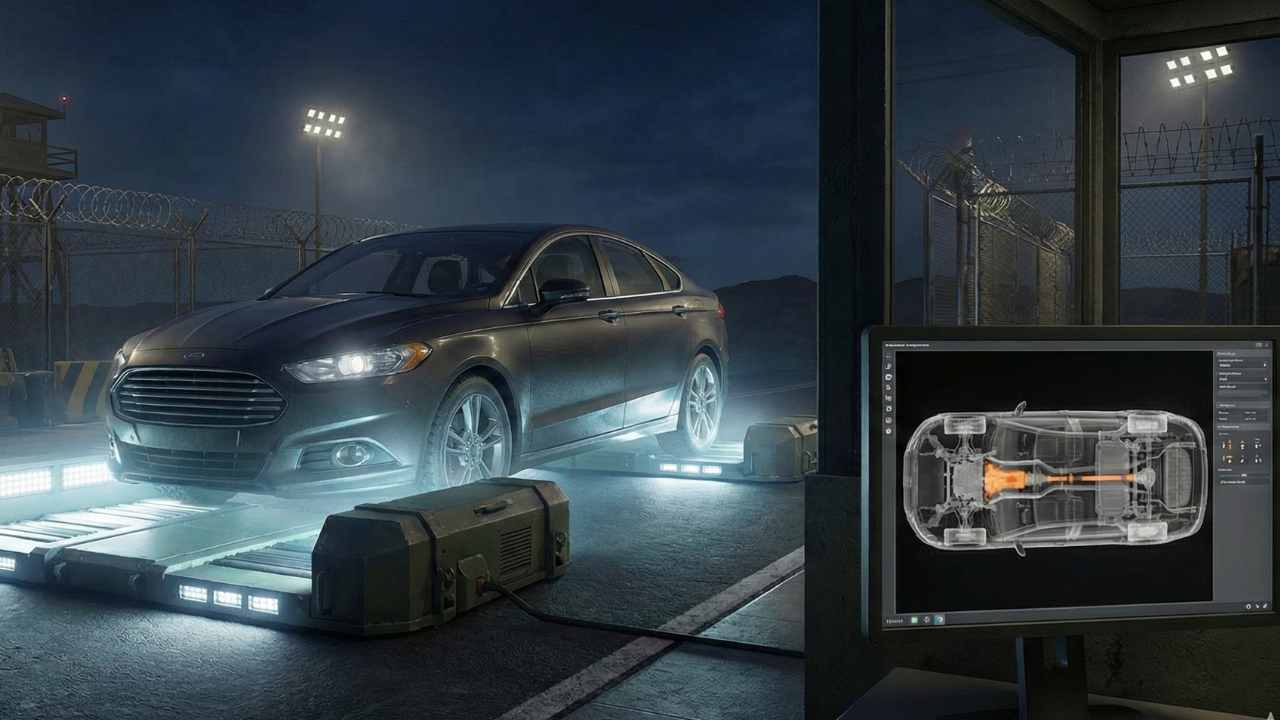
Security blind spots have long been one of the biggest challenges for high-risk facilities. Whether at government buildings, military bases, airports, data centers, or critical infrastructure sites, even a small oversight in vehicle screening can lead to serious consequences. Traditional inspection methods often fail to detect threats hidden in hard-to-reach areas, creating vulnerabilities that modern attackers are quick to exploit.
Advanced vehicle inspection technology is changing this reality. By replacing manual checks with automated, intelligent systems, facilities are significantly reducing blind spots and gaining a more comprehensive view of every vehicle entering their premises.
Understanding Security Blind Spots in Vehicle Screening
Security blind spots refer to areas that are difficult or impossible to inspect thoroughly using manual methods. In vehicle screening, these blind spots often include:
-
The underside of vehicles
-
Concealed compartments
-
Structural modifications
-
Temporary attachments
-
Areas obscured by shadows or poor lighting
Manual inspections rely heavily on human vision, mirrors, and experience. Even well-trained personnel can miss subtle changes, especially in high-traffic environments where inspections must be performed quickly. Over time, fatigue and routine further increase the risk of oversight.
Why Traditional Inspection Methods Fall Short
Traditional vehicle checks were designed for simpler threat landscapes. Today, threats are more sophisticated, intentionally engineered to bypass visual inspections. Manual methods suffer from several inherent limitations:
-
Inconsistency: Different guards may interpret the same vehicle differently.
-
Limited visibility: Mirrors and flashlights cannot capture full, high-resolution views.
-
Time pressure: High volumes of vehicles force rushed inspections.
-
Lack of documentation: Manual checks often leave little or no visual record.
These weaknesses create gaps that attackers can exploit, making traditional inspection methods inadequate for modern security demands.
How Advanced Technology Eliminates Blind Spots
Advanced vehicle inspection technology addresses these challenges by introducing automation, precision imaging, and intelligent analysis. Instead of relying solely on human judgment, systems use high-resolution cameras, optimized lighting, and software algorithms to inspect vehicles in detail.
Key capabilities include:
-
Full undercarriage imaging with no missed angles
-
Consistent inspection standards for every vehicle
-
Real-time detection of anomalies and irregularities
-
Clear visual records for audits and investigations
By capturing detailed images and analyzing them instantly, advanced systems ensure that no critical area goes unchecked.
The Role of Intelligent Analysis and Comparison
One of the most powerful features of modern inspection technology is intelligent image comparison. Vehicles that frequently enter secure facilities can be analyzed against historical records to detect changes.
This allows security teams to identify:
-
Newly added objects or attachments
-
Removed or altered components
-
Structural changes over time
-
Signs of tampering or concealment
Human memory alone cannot track these details across hundreds or thousands of vehicles. Intelligent analysis ensures that even subtle deviations are flagged, dramatically reducing the chance of unnoticed threats.
Improving Accuracy Without Slowing Operations
A common concern with thorough inspections is traffic disruption. Advanced vehicle inspection technology solves this problem by combining accuracy with speed. Vehicles can be scanned as they pass through checkpoints, eliminating the need for lengthy stops or manual inspections.
Benefits include:
-
Faster vehicle throughput
-
Reduced congestion at entry points
-
Improved experience for authorized personnel and visitors
-
Enhanced security without operational delays
This balance of efficiency and protection is especially critical for facilities that operate around the clock or manage heavy vehicle traffic.
Reducing Human Risk and Enhancing Safety
Manual under-vehicle inspections can put security personnel at risk, requiring close proximity to potentially dangerous vehicles. Advanced systems minimize this exposure by allowing inspections to be conducted remotely from secure control rooms.
Security teams receive alerts, images, and analysis without physically approaching the vehicle unless absolutely necessary. This not only improves safety but also enables better decision-making under controlled conditions.
Integration Into a Broader Security Ecosystem
Modern vehicle inspection solutions are designed to integrate seamlessly with other security technologies, such as access control systems, license plate recognition, surveillance cameras, and alarm systems. This creates a unified security environment where data is shared and correlated in real time.
In such ecosystems, technologies like UVIS contribute to eliminating blind spots by ensuring that vehicle inspection data becomes part of a larger, intelligence-driven security framework.
Conclusion
Security blind spots pose a serious risk to high-security facilities, especially in an era of increasingly sophisticated threats. Traditional inspection methods are no longer capable of providing the visibility and consistency required to protect critical assets and personnel.
Advanced vehicle inspection technology addresses these challenges by delivering comprehensive coverage, intelligent analysis, and reliable documentation. By eliminating blind spots beneath and around vehicles, these systems strengthen perimeter security, improve operational efficiency, and enhance overall safety. For facilities committed to maintaining the highest security standards, advanced vehicle inspection is no longer optional it is essential.

 English
 Arabic
 French
 Spanish
 Portuguese
 Deutsch
 Turkish
 Dutch
Dutch
 Russian
 Romaian
 Portuguese (Brazil)
 Greek
Greek